The covert excavation beneath St Peter and Paul in Wolder, Maastricht, uncovered a 17th‑century skeleton that three retired enthusiasts hoped belonged to Count d'Artagnan. The find sparked intense media interest and an official takeover after authorities said the dig lacked permits and standard archaeological procedure. Samples have been sent for forensic and genetic testing (Munich, Saxion and KU Leuven), while accusations of mishandling and the arrest of one participant have prompted an investigation. Results due later in the year will determine whether the church can claim the discovery and develop a tourist attraction or must return the remains and move on.
Secret Dig for D'Artagnan’s Grave in Maastricht Spirals Into Media Frenzy and Infighting
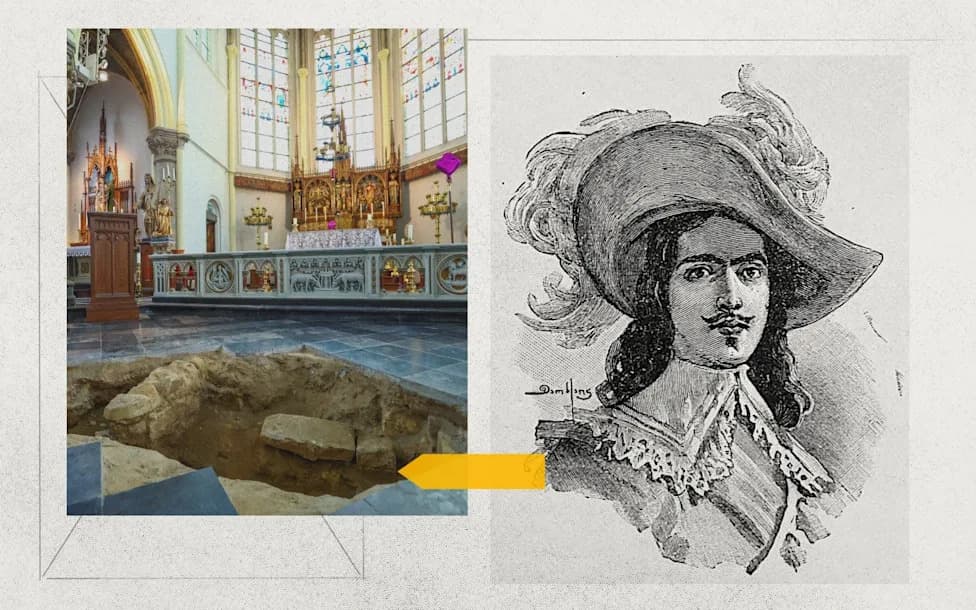
The remains of the Count d'Artagnan, a French soldier who inspired The Three Musketeers, may have been found in a Dutch church in what has turned into a contentious discovery
Jos Valke still remembers the dust. It rose around the altar as a circular saw separated floor tiles, drifting through the nave and settling on the pews. Valke, a deacon at the Church of St Peter and Paul on the edge of Maastricht, knew that if their covert search was to remain secret the mess would have to be cleared quickly.
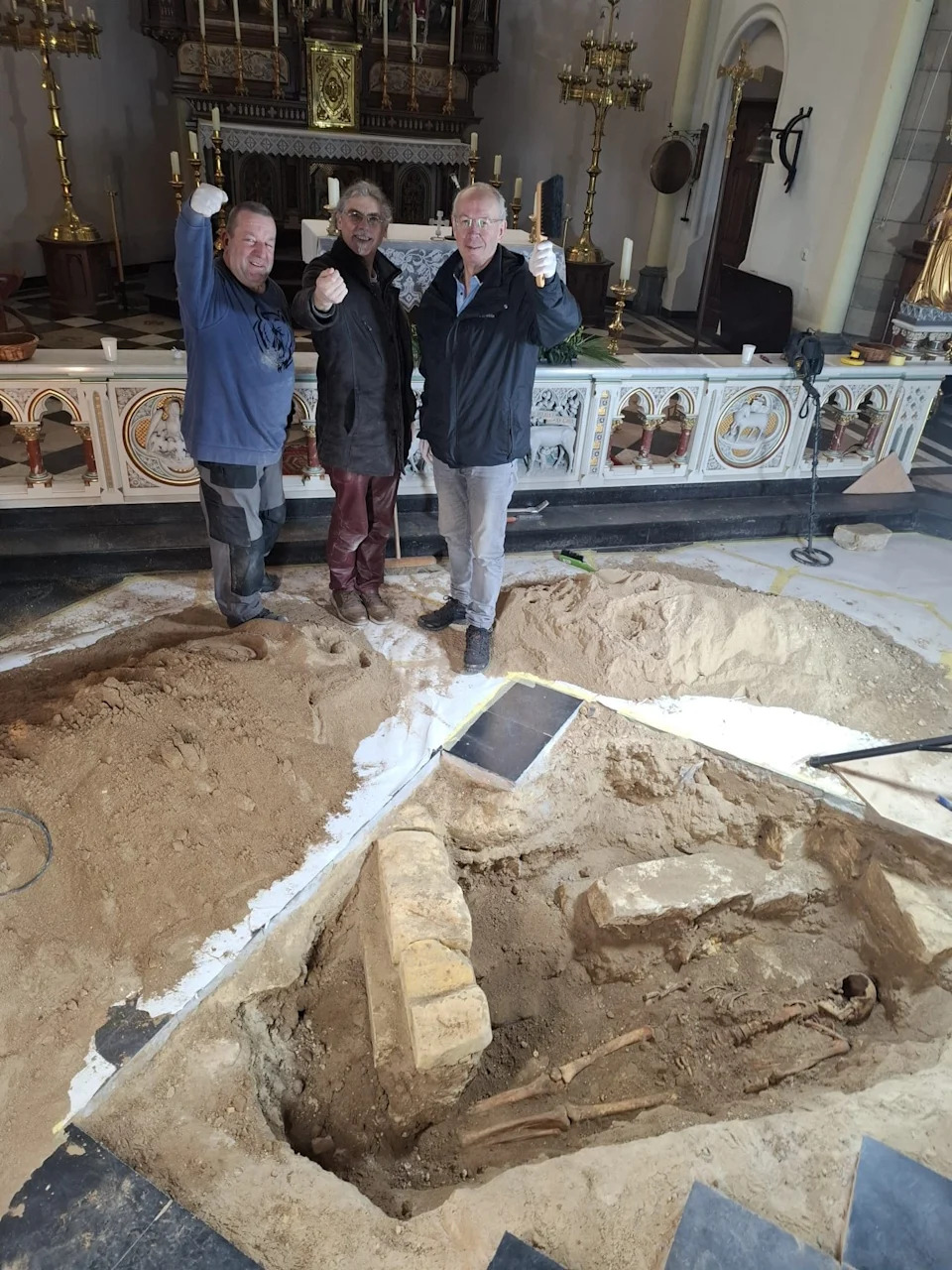
Jos Valke, Thomas Samek and Wim Dijkman in their triumphant pose next to the excavation pit
Background
For weeks Valke, together with retired archaeologist Wim Dijkman and retired doctor Thomas Samek, had been quietly excavating in the hope of finding the remains of Charles de Batz de Castelmore, Count d'Artagnan — the 17th-century French officer who inspired Alexandre Dumas's The Three Musketeers. Historians had long considered the Wolder church a plausible burial site: Wolder, once a village now absorbed by Maastricht, is where d'Artagnan died in 1673 during the Franco‑Dutch War.
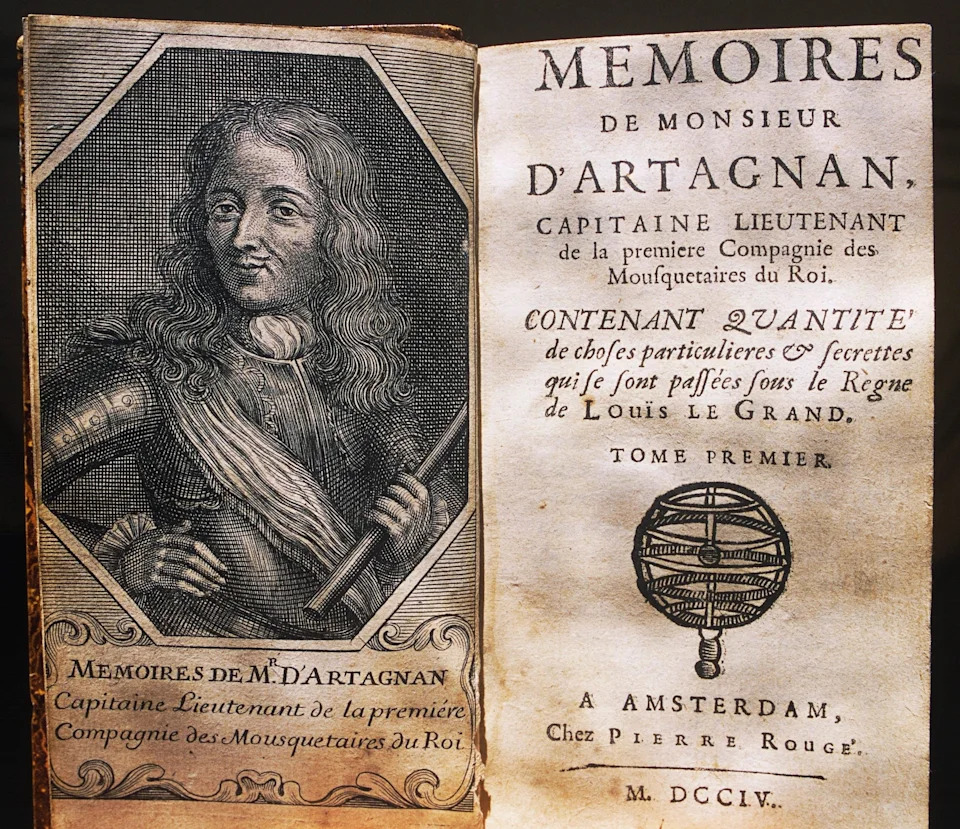
The fictional Memoirs of Monsieur D'Artagnan helped preserve the memory of the real Count d'Artagnan - De Agostini/Getty/C Sappa
Discovery
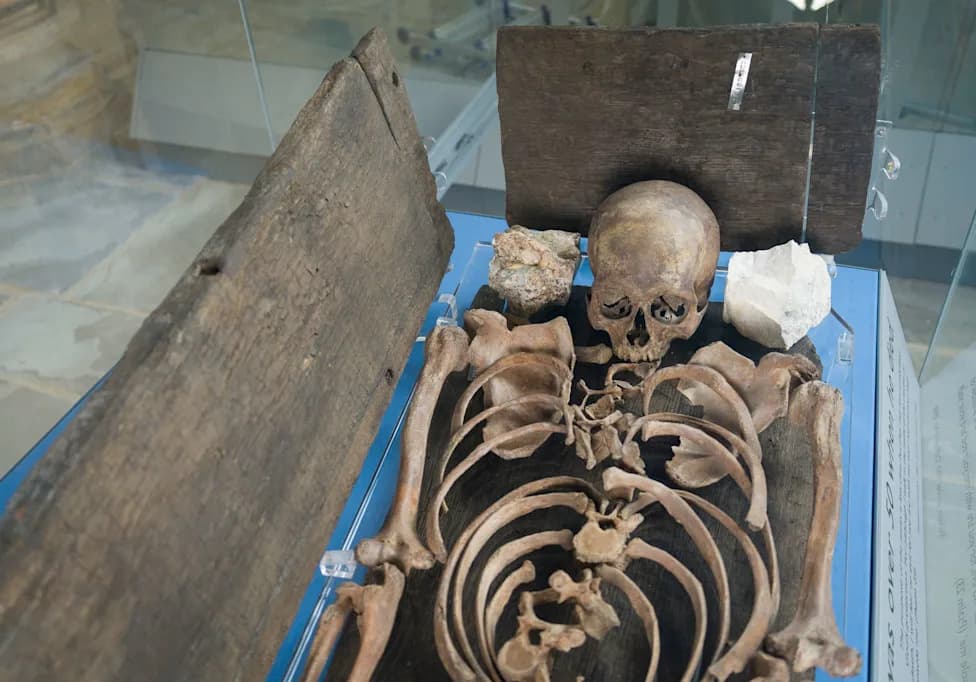
Working between baptisms and Sunday services, the trio used metal detectors and ground-penetrating surveys, lifted tiles and dug until a skull was exposed in late January. Three weeks later they revealed most of a skeleton beside a coin dated to the 17th century. "We thought, 'Holy moly, this could be it!'" Valke recalled. A photograph shows the three men beside the pit, fists raised in a moment of triumph.
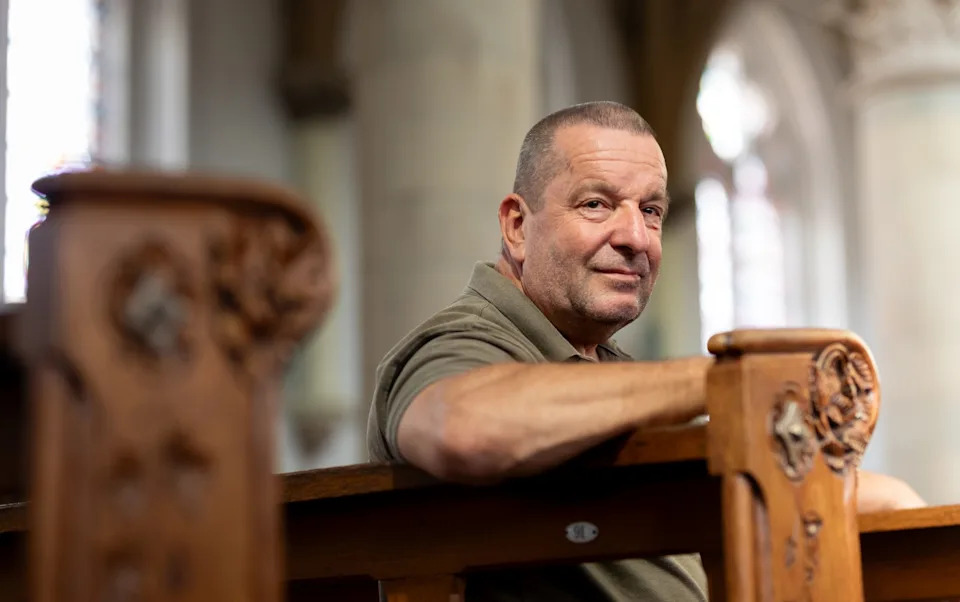
For Valke, a deacon at the Church of St Peter and Paul, finding such a 'treasure' held immense potential to attract tourism - Isabelle Pateer
Aftermath And Official Intervention
The secret did not hold. The discovery leaked and international media descended on Wolder. Maastricht city officials, who say the amateur excavation lacked permits and standard archaeological documentation, moved to take control. An official team completed the excavation, and remains were transported to Saxion University of Applied Sciences in Deventer for secure analysis.
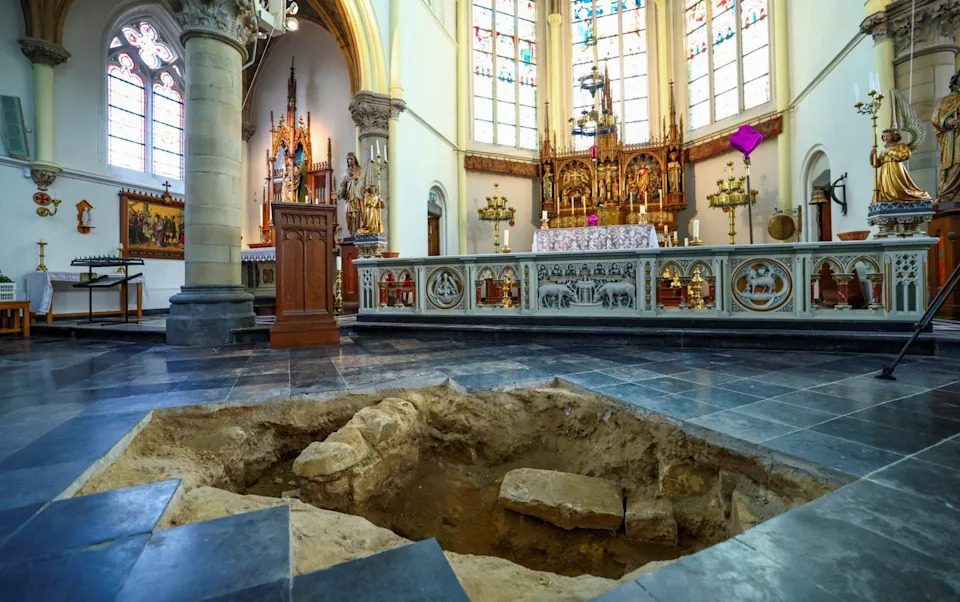
'You did what?!' Valke recalls the city council's reaction to the church-led excavation - Reuters/Piroschka Van De Wouw
Allegations followed that the initial dig had been mishandled: bones reportedly disturbed, some material handled without gloves and stored inappropriately. Wim Dijkman was later arrested on suspicion of withholding remains; the public prosecutor confirmed an ongoing investigation. Dijkman acknowledges he lacked permits but disputes claims about careless handling and says he intended to preserve and analyse the finds.
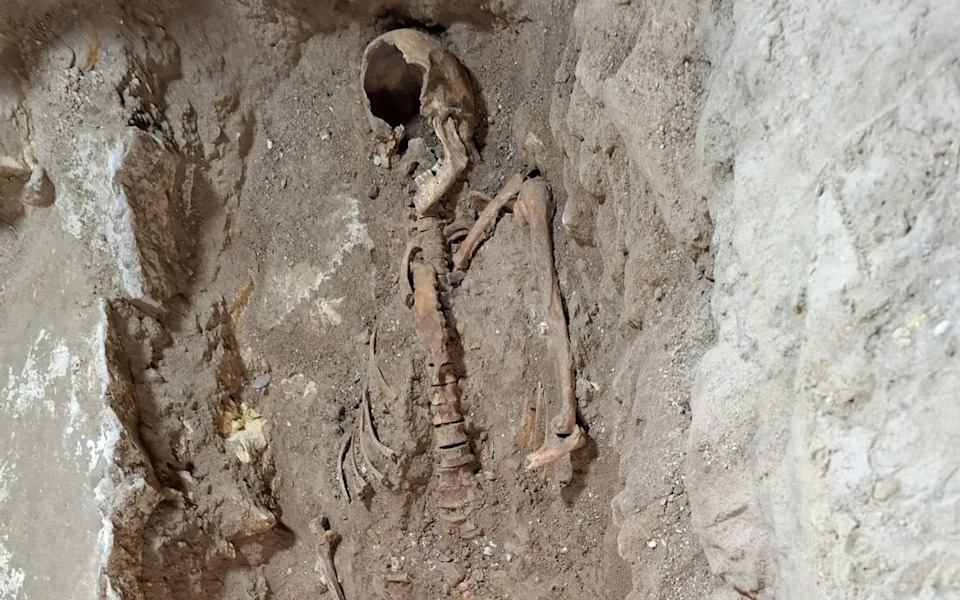
After a burst of excitement, the narrative around the discovery began to shift towards allegations that the initial excavation was done haphazardly
Scientific Analysis
Samples — including two teeth and a humerus fragment — were sent to a forensics lab in Munich. Maastricht also brought in genetic genealogist Maarten Larmuseau of KU Leuven to assist. Initial collagen analysis reportedly suggested a diet rich in saltwater fish, a finding some say is inconsistent with d'Artagnan's inland origins; others argue a high-status soldier could have eaten seafood while serving the king. Authorities expect more conclusive results later in the year.
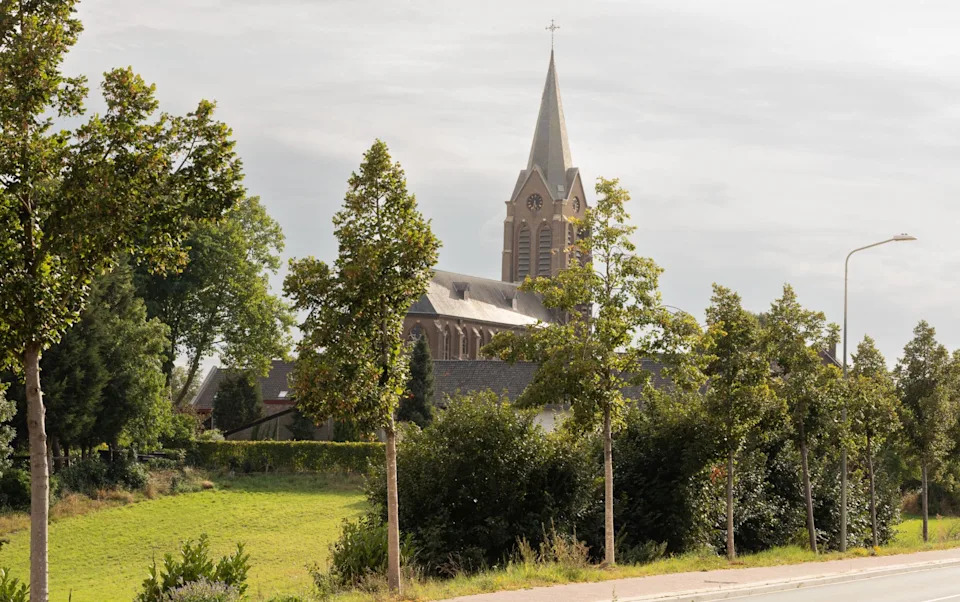
If the skeleton is ruled out as belonging to D'Artagnan, Valke says, the church will 'find another way to pay' for repairs to its roof - Isabelle Pateer
Heritage, Tourism And Tensions
The discovery carries cultural weight: confirming d'Artagnan's remains would connect literature and history in a high-profile way, akin to the identification of Richard III in Leicester. For the cash-strapped Wolder parish, a confirmed match could become a tourism draw and a funding source for repairs. If the tests rule the skeleton out, Valke says the church will return the remains to the grave and seek other ways to raise funds.
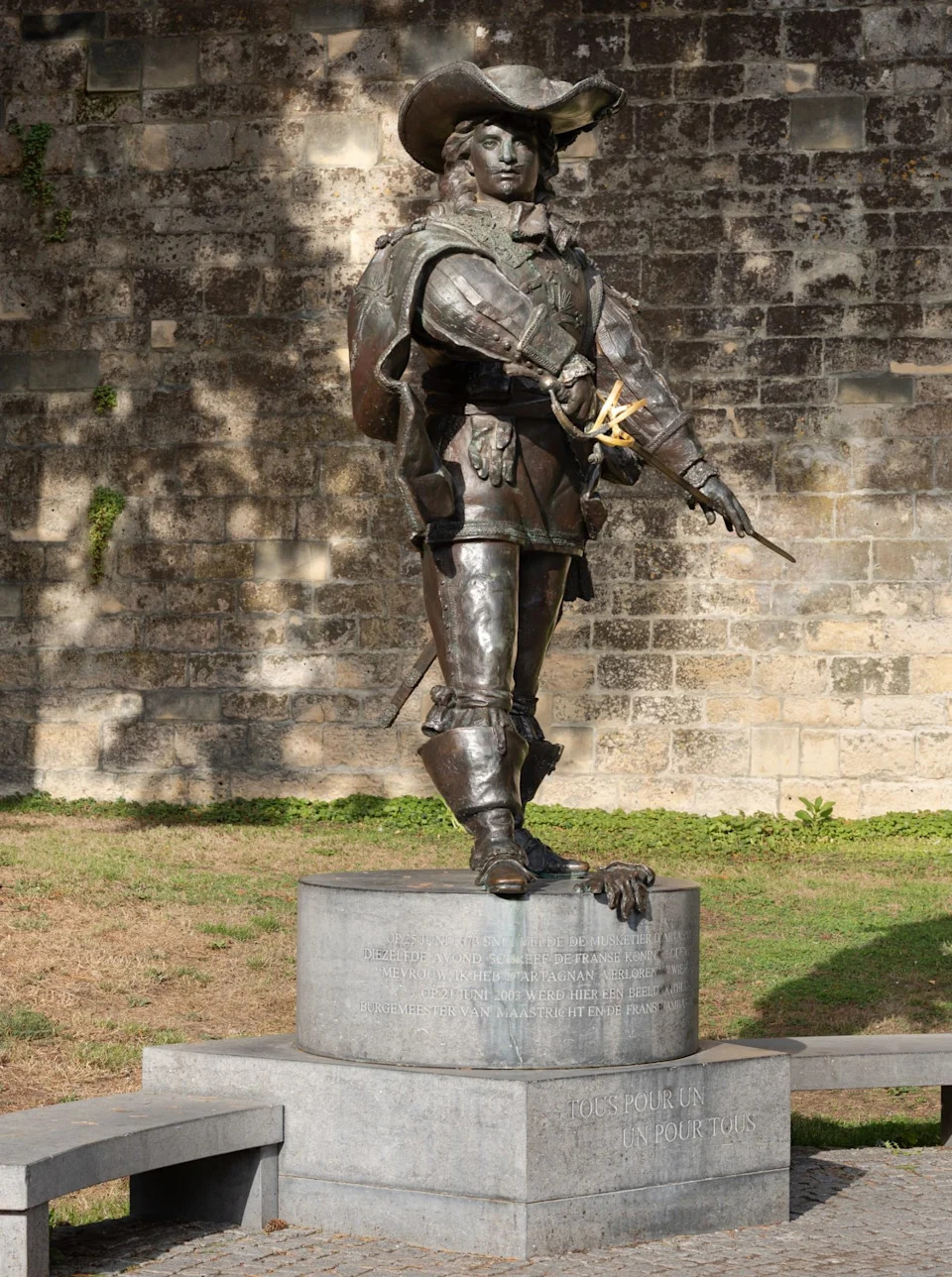
A statue of D'Artagnan stands near the spot where he died in Maastricht - Isabelle Pateer
The episode has left damaged relationships. The once-close trio now face recriminations and legal scrutiny, and the local heritage service has issued strict rules to prevent unauthorised work in future. Whether the skeleton will ever be definitively linked to d'Artagnan — or whether the controversy will overshadow scientific findings — remains unresolved.
Status: Scientific tests and an official investigation are ongoing. No conclusive identification has been publicly confirmed.
Help us improve.