MIT researchers describe an AI-driven, iterative formulation approach that stabilizes mRNA-loaded lipid nanoparticles at temperatures that typically damage current vaccines, according to a Nature Biotechnology report. Preclinical tests showed stability up to one year at room temperature after vacuum drying and up to two months at 37°C, with mice mounting immune responses comparable to refrigerated vaccines. The work accelerates formulation testing but requires human trials, manufacturing validation and regulatory review before changing storage guidance.
AI-Guided Formulations Let mRNA Vaccine Particles Withstand Higher Temperatures
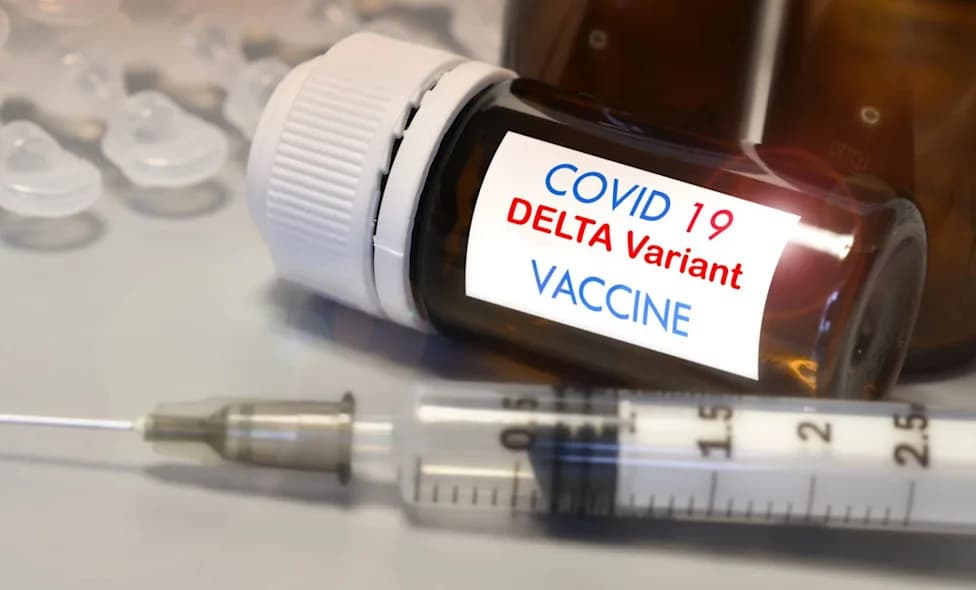
Image: Deposit Photos
Researchers at MIT report in Nature Biotechnology (Sept. 28, 2026) that an AI-assisted, iterative formulation strategy can stabilize experimental mRNA-loaded lipid nanoparticles at temperatures that typically degrade many current vaccine preparations. The work, based on animal studies, has not yet been tested in humans and does not change existing regulatory storage rules.
The team used a closed-loop machine-learning workflow to compress months of conventional screening into weeks. The algorithm evaluated nearly 50 FDA-approved excipients — inactive ingredients such as sugars, salts and polymers that surround and protect nanoparticles — and proposed optimal component ratios. Scientists then tested those candidate formulations, fed the results back into the model, and repeated the cycle until a stable composition emerged.
Key Preclinical Findings
- Experimental vaccine particles remained stable for up to one year at room temperature after a vacuum-drying step.
- Formulations retained stability for two months at 37°C (about 98.6°F).
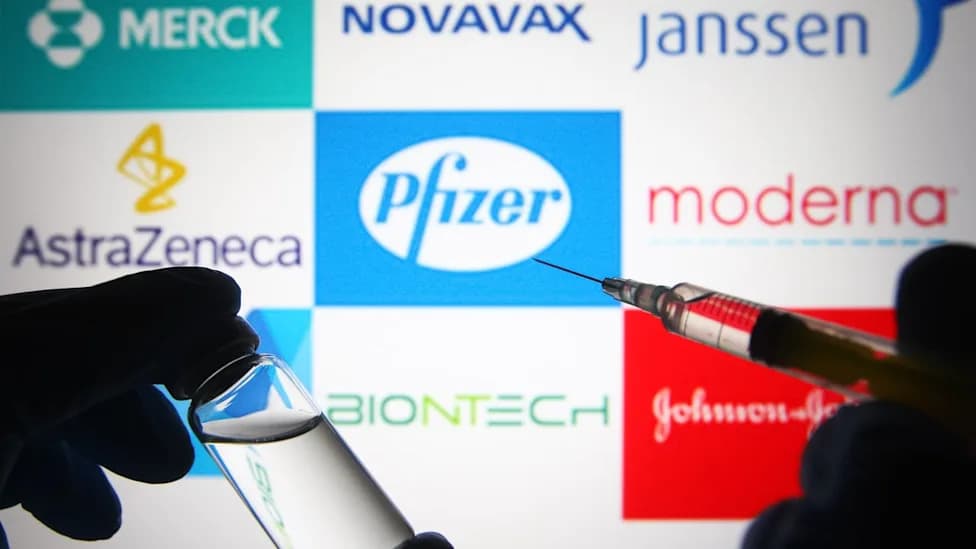
- The method was validated with Covid-19 mRNA antigens in Moderna-like lipid nanoparticles and also stabilized a Pfizer-like formulation.
- Mice vaccinated with material stored at elevated temperatures mounted immune responses comparable to those induced by conventionally refrigerated vaccines.
- Solid microneedle patches containing a SARS-CoV-2 antigen produced similar immune responses in mice after high-temperature storage tests.
Ana Jaklenec, principal investigator at MIT's Koch Institute for Integrative Cancer Research: 'The real beauty of this algorithm is that we can use it with small data sets.'
The potential public-health implications are substantial. Many current mRNA vaccine formulations require continuous refrigeration or freezing because unprotected mRNA degrades quickly; lipid nanoparticles help protect the payload but do not fully remove cold-chain needs. Reducing dependence on the cold chain could simplify shipping, cut distribution costs, and expand access in low-resource regions that lack reliable refrigeration.
The project was led by graduate student Jinbi Tian and postdoctoral researcher Khanh Tran, with senior authorship from Ana Jaklenec and Robert Langer. Contributors included MIT's Computer Science and Artificial Intelligence Laboratory and assistant professor Mina Konakovic Lukovic from MIT's Department of Electrical Engineering and Computer Science. The Bill & Melinda Gates Foundation provided partial funding.
What Still Needs To Happen
These are preclinical results. Before any changes to vaccine storage practice can occur, the approach must clear major steps: human clinical trials, large-scale manufacturing validation, extended stability testing with diverse mRNA payloads and full regulatory review. If those hurdles are cleared, the approach could materially change how mRNA-based medicines reach underserved populations where the cold chain is a limiting factor.
Help us improve.