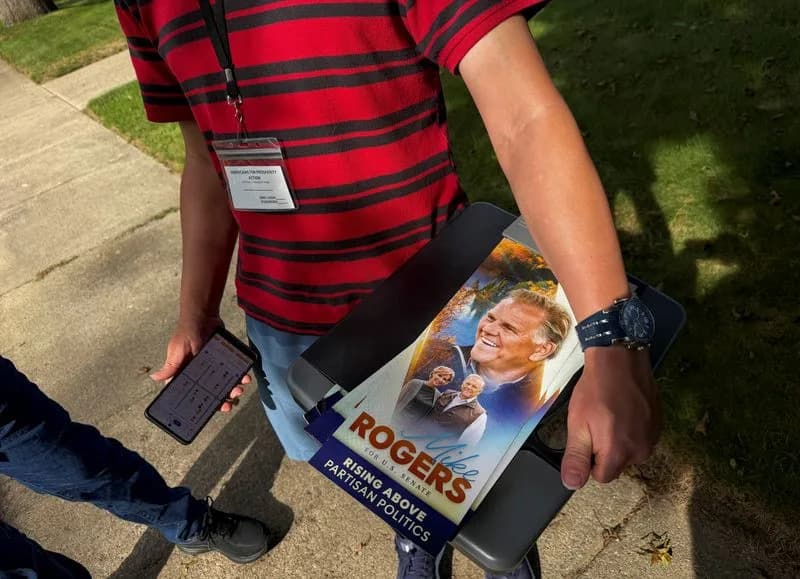
Two September polls show Democrat Abdul El‑Sayed with a narrow advantage over Republican Mike Rogers in Michigan's U.S. Senate race. A Fox News poll (Sept. 24–28, 1,028 likely voters) put El‑Sayed at 50% and Rogers at 49% (±3 points), while a Big Data Poll (Sept. 22–24) found a larger Democratic lead after leaning undecided respondents (46.7% to 42.1%). Economic strain boosts El‑Sayed, while Rogers leads with voters prioritizing immigration; turnout and undecided voters will likely decide the outcome.
El-Sayed Holds Narrow Lead Over Rogers in Two September Polls as Michigan Senate Race Tightens
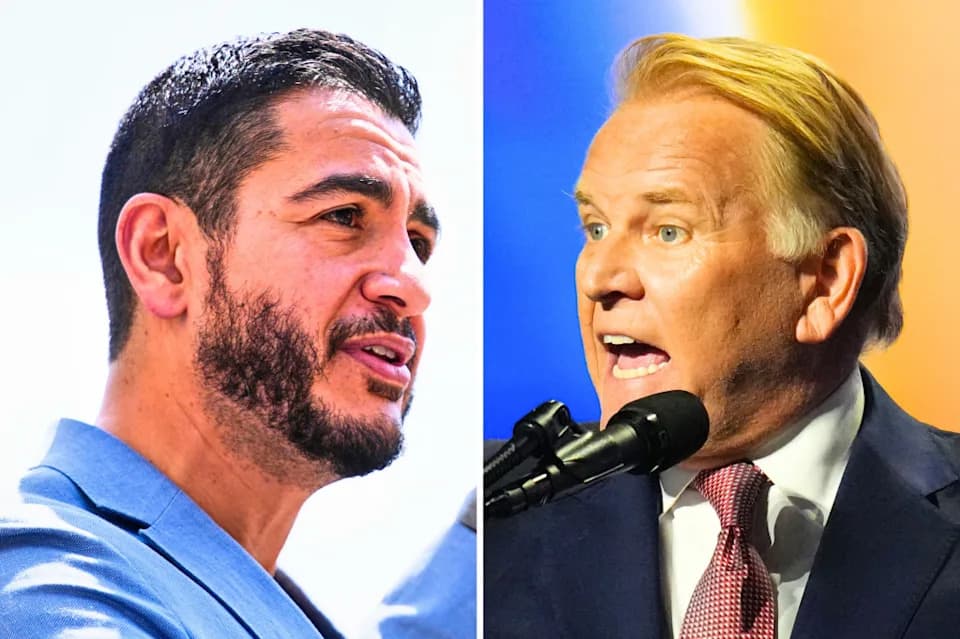
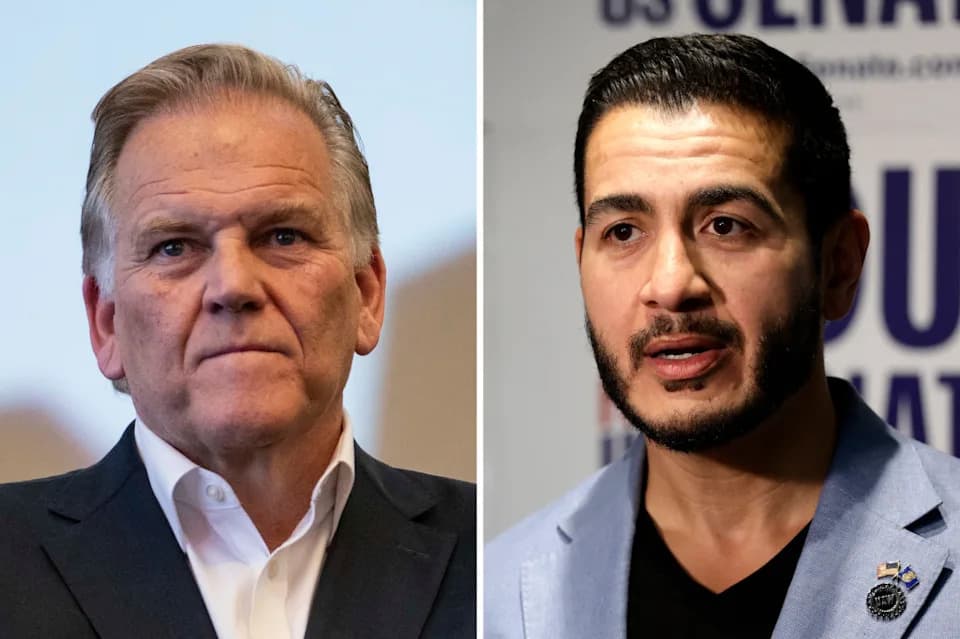
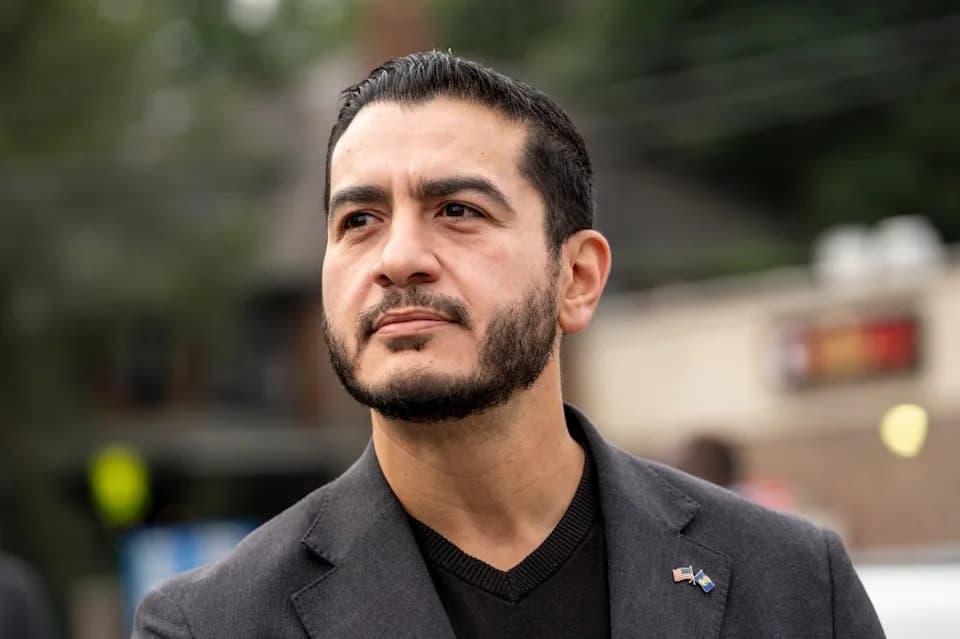
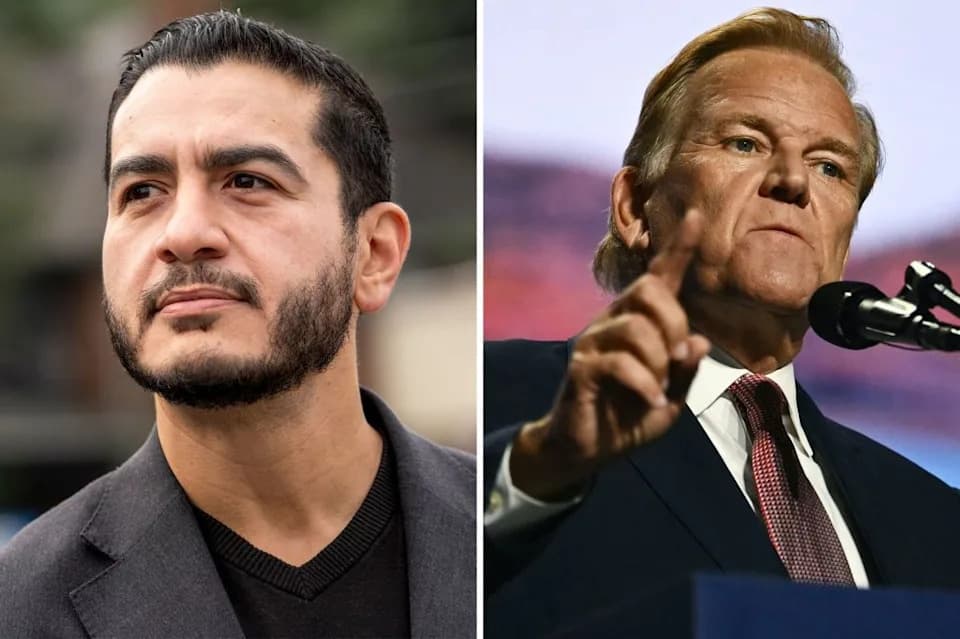
Left: Democratic nominee for U.S. Senate Abdul El-Sayed speaks at a news conference at the base of the Spirit of Detroit monument in Detroit, Wednesday, Aug. 19, 2026. Right: Republican Senate candidate Mike Rogers speaks at the Republican convention Thursday, Sept. 10, 2026, in Dallas.
Two September surveys show Democrat Abdul El‑Sayed with a modest edge over Republican Mike Rogers as Michigan's U.S. Senate contest moves into its final weeks and voters focus on rising household costs.
Poll Results and Methodology
A Fox News poll conducted Sept. 24–28 of 1,028 likely Michigan voters put El‑Sayed at 50% and Rogers at 49% (margin of error ±3 points). Among registered voters in the same survey, El‑Sayed led 51% to 48%, reversing an August result that had shown Rogers ahead by about four points. The Fox News poll was conducted by Beacon Research and Shaw & Company Research and released Sept. 30.
Separately, a Big Data Poll (Wolverine State survey) conducted Sept. 22–24 interviewed 725 registered voters (678 classified as likely). On the initial likely‑voter ballot it found El‑Sayed at 45.9% and Rogers at 40.5%; after undecided respondents were asked to lean, the figures moved to 46.7% for El‑Sayed and 42.1% for Rogers. The pollster reported a sampling error of ±4 points at the 95% confidence level.
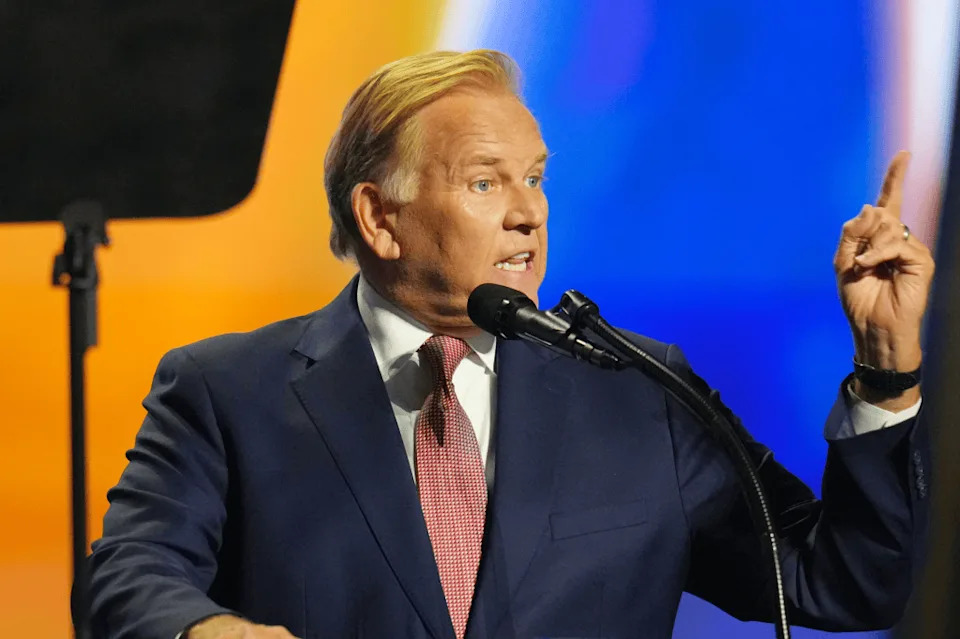
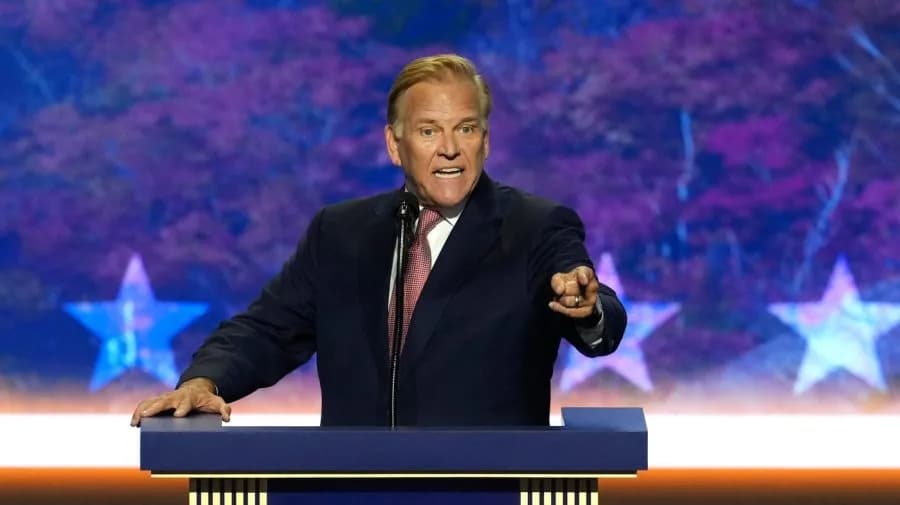
Republican Senate candidate Mike Rogers speaks at the Republican convention Thursday, Sept. 10, 2026, in Dallas.
Where the Race Is Tight — And Why
Both surveys show a competitive contest, but they paint slightly different pictures depending on sampling and how undecided voters were allocated. Fox's near‑tie falls within its margin of error, while Big Data's approach produced a wider Democratic lead.
Economic concerns appear to benefit El‑Sayed. In the Fox poll, four in 10 respondents said they were falling behind financially; those voters favored El‑Sayed by roughly 25 points. Among the 70% who called living costs extremely important, El‑Sayed led by 13 points. By contrast, Rogers led by 26 points among voters who prioritized immigration.
Voter Intensity and Persuadables
Big Data found El‑Sayed with a strong advantage in voter intensity: among "extremely enthusiastic" likely voters (after leaners), 55.3% backed El‑Sayed versus 39.5% for Rogers. The Fox poll showed Rogers with a larger share of persuadable supporters—18% of his likely‑voter backers said they might change their minds, compared with 12% of El‑Sayed's supporters. The Fox survey also found that about 11% of likely voters who had supported Haley Stevens in the Democratic primary planned to back Rogers in the general election.
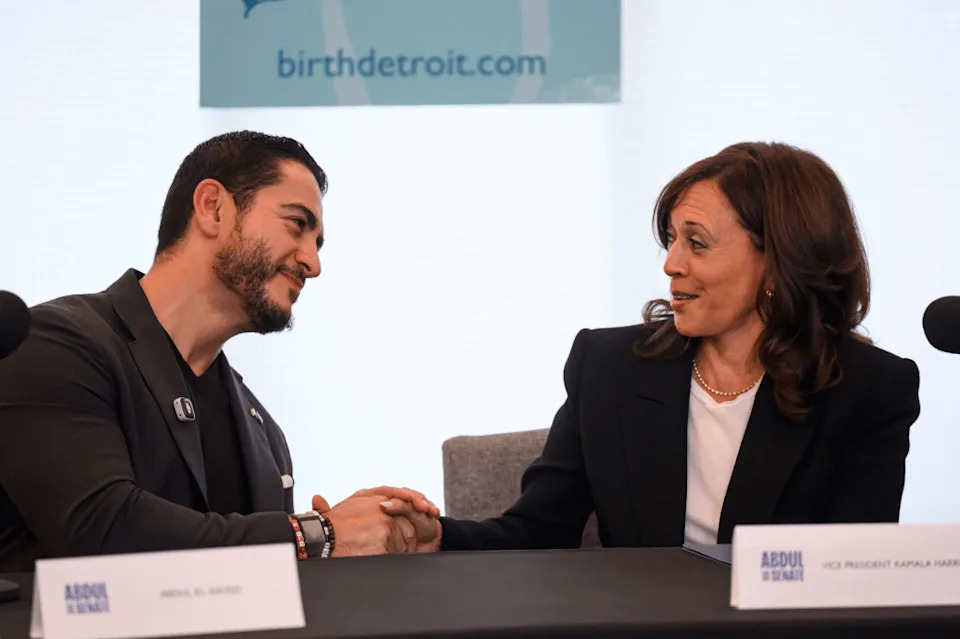
Senatorial candidate Abdul El-Sayed, left, and former Vice President Kamala Harris participate in a roundtable discussion about reproductive health at Birth Detroit, in Detroit, Tuesday, Sept. 22, 2026.
At a September campaign event, Rogers framed the choice this way: "Do you want to give your family divisiveness and anger, or do you want to give them the promise of America?"
Candidate Profiles
El‑Sayed, who holds a medical degree but does not appear to have practiced as a licensed physician, is running as an economic populist from the Democratic left. His platform emphasizes Medicare for All, stronger unions, tougher antitrust enforcement and reducing corporate political influence. He casts the race as a contest between ordinary voters and wealthy interests and argues candidates can win without corporate PAC money.
Rogers, a long‑time Republican establishment figure aligned with President Donald Trump, is running on a conservative platform focused on boosting domestic manufacturing, public safety, lowering costs and defending what he calls the "American Dream."
Demographics and Takeaways
Each candidate retains overwhelming support from his partisan base, leaving smaller demographic groups to decide the race. El‑Sayed performed best with women, Black voters, college graduates, adults under 45 and union households. Rogers drew support from men, rural residents, White evangelical Christians, married voters and White voters without college degrees.
As the campaign heads into its closing stretch, turnout and how undecided voters break will determine the outcome. Polling snapshots differ by methodology, but both point to a competitive race with El‑Sayed holding momentum on economic issues and Rogers retaining advantages among voters focused on immigration and conservative priorities.
Rich Baris, director of Big Data Poll, noted: "A not‑so‑insignificant share of undecided Democrats initially choose another option when faced with a controversial nominee, though both candidates appear to have equal support among the rest of their base. In the end, they voted for the Democratic candidate."
Newsweek contacted both campaigns for comment.
Help us improve.