Several states are extending temporary suspensions of fuel taxes as pump prices jump following the Iran war. AAA reports national averages of $4.41 per gallon for regular gasoline and $6.39 for diesel, and the Watson Institute estimates more than $122 billion in added costs for U.S. households since late February. Indiana has extended its sales- and excise-tax waiver through Nov. 4 and eased rules for dyed diesel to help farmers. While about one-third of states have offered relief, officials warn such pauses can drain road funds and may produce limited immediate relief at the pump.
States Extend Gas-Tax Suspensions as Indiana Pushes Relief Through Nov. 4
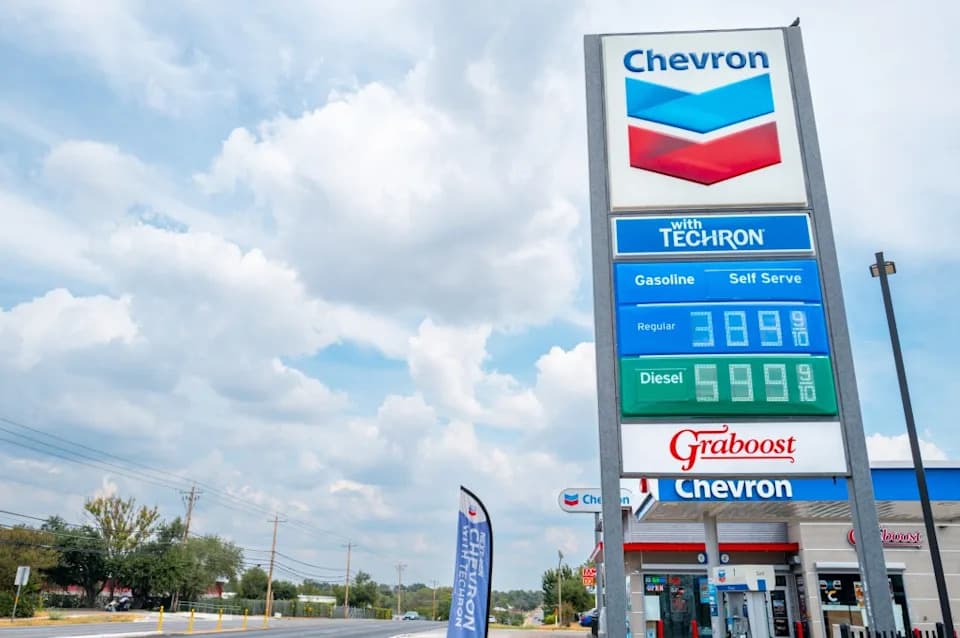
Gas prices are displayed at a Chevron gas station on September 24, 2026 in Austin, Texas.
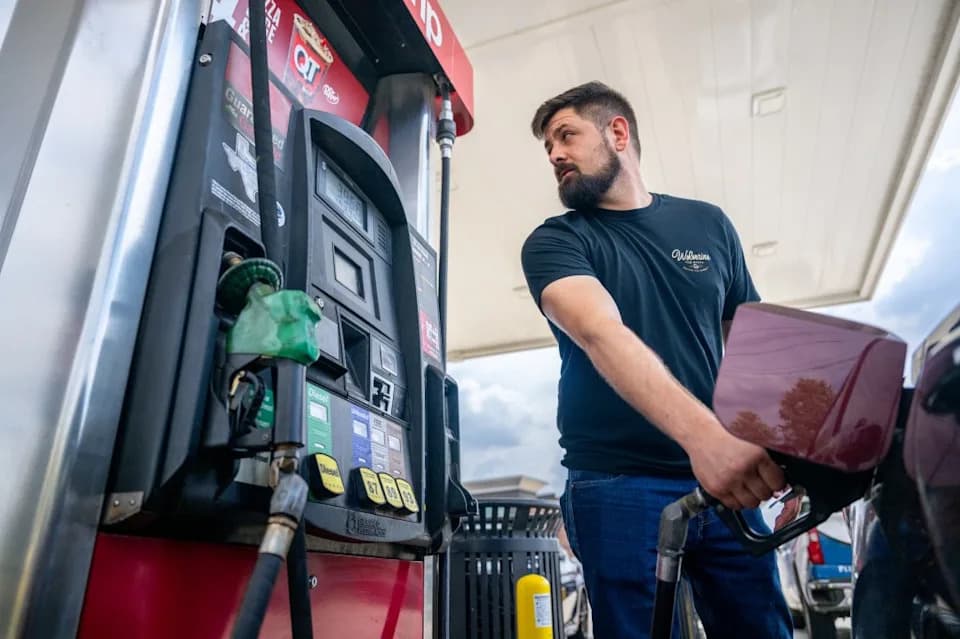
Several U.S. states are extending or implementing temporary suspensions and targeted exemptions of fuel taxes as households and businesses cope with rising pump prices linked to the Iran war.
Rising Prices And The Scale Of The Impact
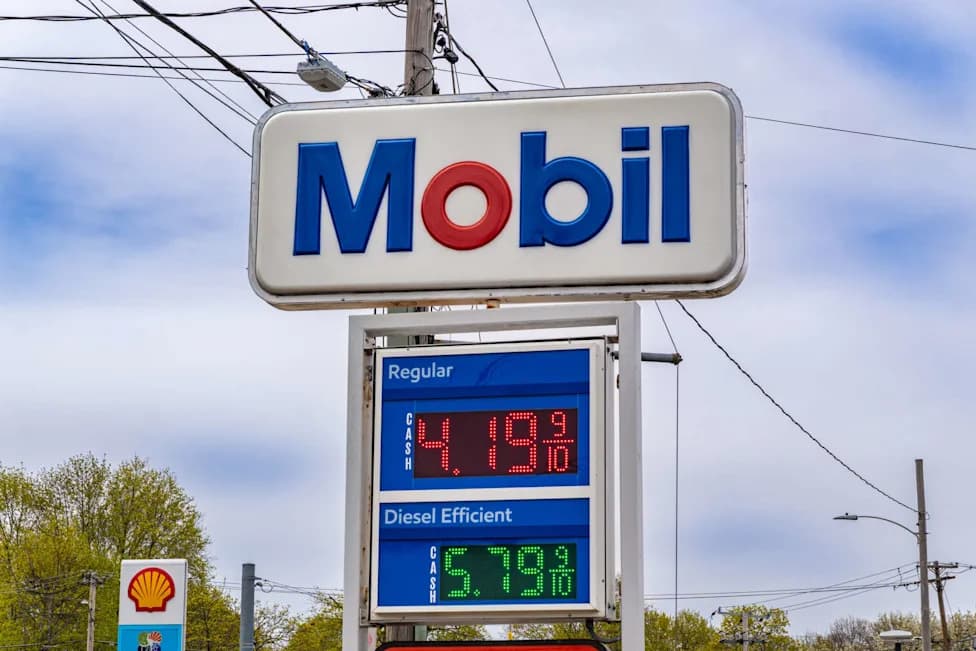
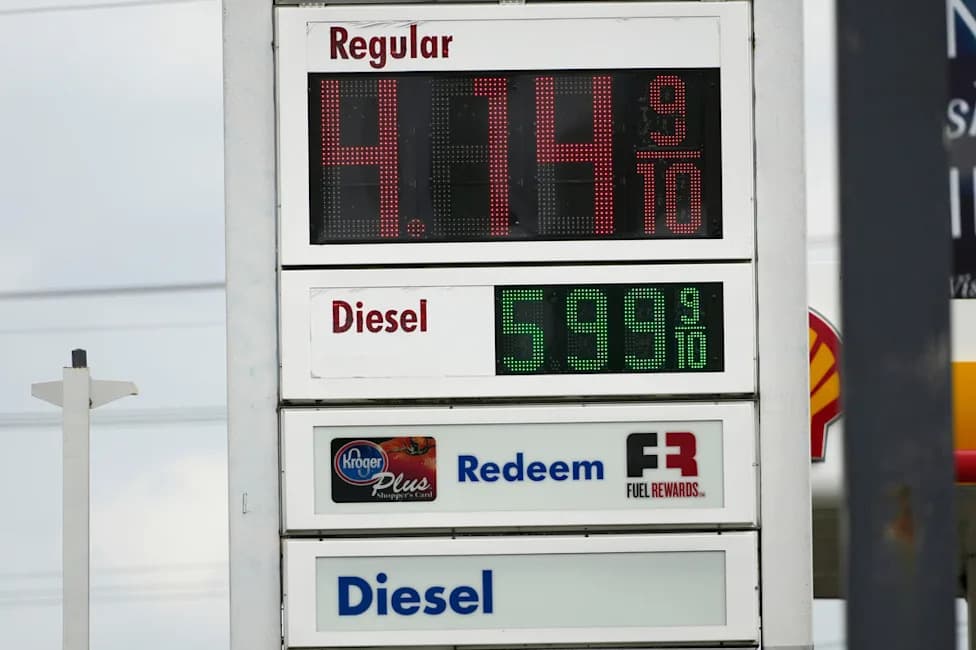
AAA reported a national average of $4.41 per gallon for regular unleaded and $6.39 per gallon for diesel as of Thursday, up sharply from last year’s averages of $3.16 and $3.71, respectively. The Watson Institute of International and Public Affairs estimates American households have paid more than $122 billion in added fuel costs since the conflict began in late February.
Indiana Extends Relief
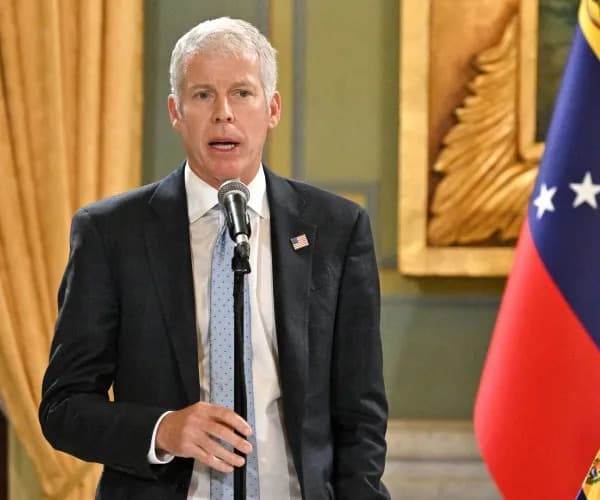
On Wednesday, Indiana Governor Mike Braun signed an order extending the waiver on the state’s gas sales and excise taxes for an additional month. The “energy emergency” declaration first issued in April—originally set to run through Oct. 5—will now remain in effect through Nov. 4. The governor also eased rules on the use of dyed diesel to provide relief to farmers and timber operators.
“The added cost of fuel prices caused by continued disruptions to the global oil supply can make a major difference in our farmers' success and their ability to put food on the table for their families,” Braun wrote on X.
Indiana drivers have seen roughly a 61-cent-per-gallon reduction at the pump since the state paused its 7% gas sales tax and the 36-cent-per-gallon excise tax earlier this year. The state’s current average price is about $3.81, up from $3.07 a year ago but below the state record of $5.24.
Other States' Actions
As of Oct. 1, roughly one-third of U.S. states had enacted some form of tax relief tied to higher fuel costs, ranging from narrow exemptions for farmers and other sectors to broader sales- and excise-tax suspensions.
Georgia, the first state to act after the conflict began on Feb. 28, has extended its suspension through Oct. 29. Ohio’s legislature passed a 90-day pause on gas and diesel sales taxes in an emergency vote that drew broad bipartisan support; Republican Governor Mike DeWine has signaled he intends to sign the bill. Several states, including Alabama, Louisiana and Texas, have approved or proposed targeted diesel-exemption measures timed to the harvest season.
Political And Fiscal Debate
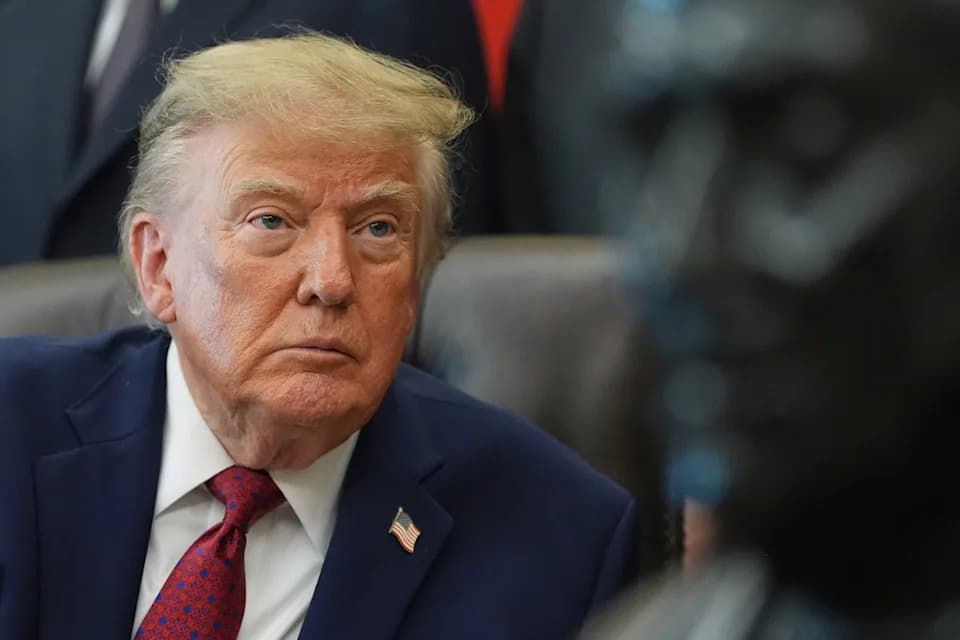
Officials are divided on whether tax suspensions meaningfully lower pump prices or simply shift costs between budgets. New York Governor Kathy Hochul has said a previous suspension in 2022 produced minimal benefit for drivers and has urged consideration of a federal gas-tax pause. In May, President Trump said he would suspend the federal 18.4-cent-per-gallon excise tax “until it’s appropriate,” but the administration has not implemented that step and congressional efforts have stalled.
Opponents warn that suspending gas taxes threatens long-term funding for roads and bridges. South Carolina Governor Henry McMaster argued in mid-September that cutting gas levies would undermine the primary revenue stream for road construction and maintenance, calling road funding a long-term priority.
Costs And Trade-Offs
Governor Braun acknowledged the fiscal trade-off: the extensions have produced what he described as “over a billion dollars’ worth of savings” for drivers, a cost Indiana has been able to absorb because of healthy reserves. Other states have voiced concern that sustained suspensions would force steep cuts to transportation budgets or require finding replacement revenue.
Contact: Newsweek editors Ben Kelly and Cristina Diciu.
Help us improve.