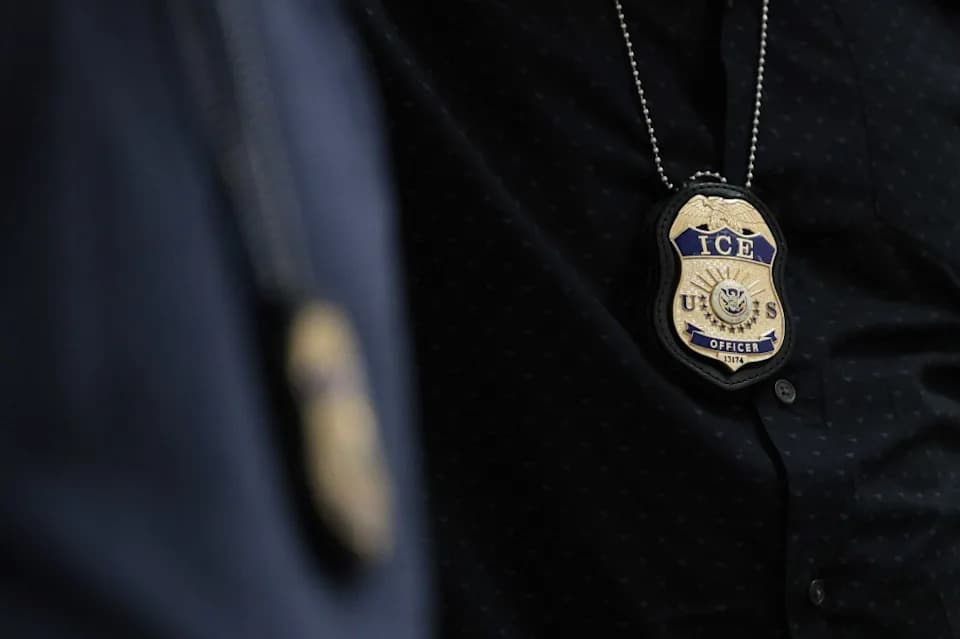
Key developments: Video from Evanston shows federal immigration agents pinning and injuring a man who repeatedly identified himself as a U.S. citizen, while DHS defended the agents by invoking Justice Kavanaugh's description of "brief investigative stops." A separate federal case, Venegas v. Homan, documented repeated detentions of natural-born citizen Leonardo Garcia Venegas despite proof of citizenship. Judge Jeffrey Beaverstock found the government provided "no factual support whatsoever" for its suspicion and temporarily blocked the administration's warrantless raid-and-detention practices.
Video of Agents Pinning a U.S. Citizen Undercuts Kavanaugh’s 'Brief Stops' Rationale
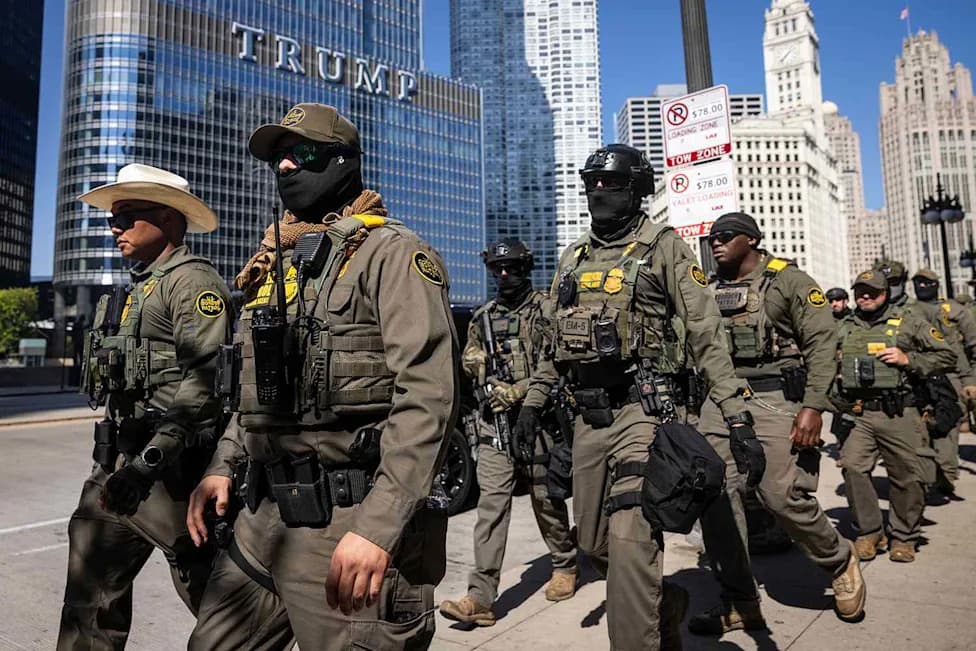
On the morning of Sunday, September 20, police in the Chicago suburb of Evanston responded to a 911 call about a street confrontation. Officers found a man lying on the ground with visible injuries to his head, neck, and teeth. Investigators later determined the injured man was a U.S. citizen and that the people who had restrained and assaulted him were federal immigration agents.
The Department of Homeland Security issued a statement saying the man "resembled the target" of an enforcement operation and was "not cooperative" during agents' inquiries. DHS added that "once the individual finally identified himself," officers "left the scene without further incident." Video of the incident, however, shows agents pinning the man to the pavement as he repeatedly shouted, "I'm a fucking U.S. citizen," while bystanders asked why the officers were harming him. Witnesses say agents left without providing medical aid; others tried to comfort the motionless man.
Why the Incident Matters
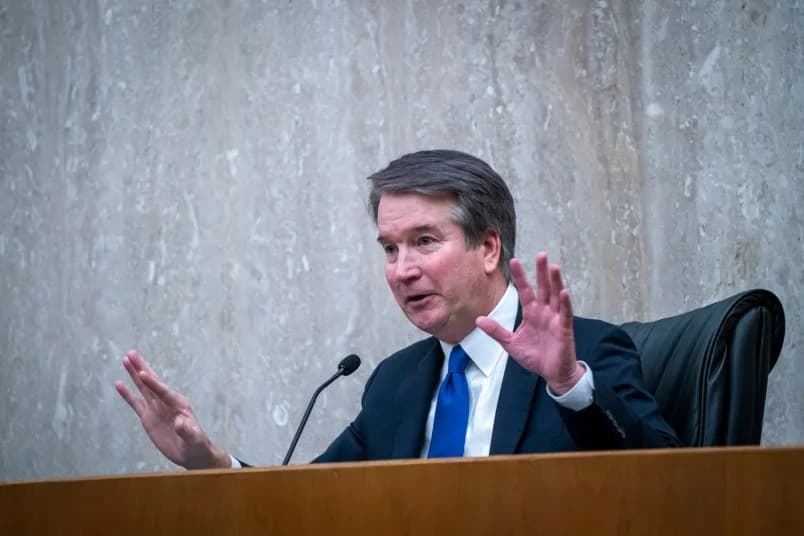
This episode highlights a major tension with Justice Brett Kavanaugh's solo concurrence one year earlier in Noem v. Vasquez Perdomo. In that opinion Kavanaugh described a framework of "brief investigative stops" during which, he suggested, people who are lawfully present in the country can simply make that status "clear" and will then be "promptly" released. The Supreme Court's order lifting a lower-court injunction allowed immigration officers to resume profiling practices in Los Angeles, and Kavanaugh's concurrence has been cited by the government and DHS when defending aggressive enforcement tactics.
Real-World Cases That Contradict The Theory
Just 24 hours after the Evanston episode, a federal district court in Alabama addressed similar issues in Venegas v. Homan. Leonardo Garcia Venegas, a natural-born U.S. citizen living in Alabama, was detained multiple times by federal immigration agents. In May 2025 agents raided a construction site where he worked and focused on visibly Latino workers. Witnesses shouted that Venegas was a citizen and he presented documentation, but agents dismissed his ID as fake, handcuffed him, removed him from the site, and held him in an unmarked vehicle for over an hour.
Agents returned in June 2025 to another site and again questioned his paperwork. Venegas filed a class-action lawsuit, but the litigation did not prevent a third detention in May 2026: he was tackled, shackled, and again told his documents were not credible.
Judicial Rebuff to the Administration's Defense
The Trump administration defended the repeated detentions by saying agents had "reasonable suspicion," and cited Kavanaugh's concurrence in Noem v. Vasquez Perdomo. In a September 21 order, Trump-appointed District Judge Jeffrey Beaverstock rejected that argument. He wrote that the government offered "no factual support whatsoever" to explain why its suspicion was reasonable and that he would not simply take the government's claim at face value. The judge added that the encounters in Venegas bore little resemblance to the brief, self-limiting stops Kavanaugh envisioned: "Venegas was not promptly released," Beaverstock wrote, and officers disregarded the veracity of his identification.
Beaverstock concluded that the administration's warrantless raid-and-detention practices are likely unconstitutional and issued a temporary order blocking those policies.
Bottom Line
From the streets of Evanston to Alabama construction sites, video and court records reveal enforcement practices that contradict the image of benign, quick investigative stops. The Venegas decision shows that some federal judges will confront those realities rather than accept a hypothetical account that does not match on-the-ground behavior.
Help us improve.