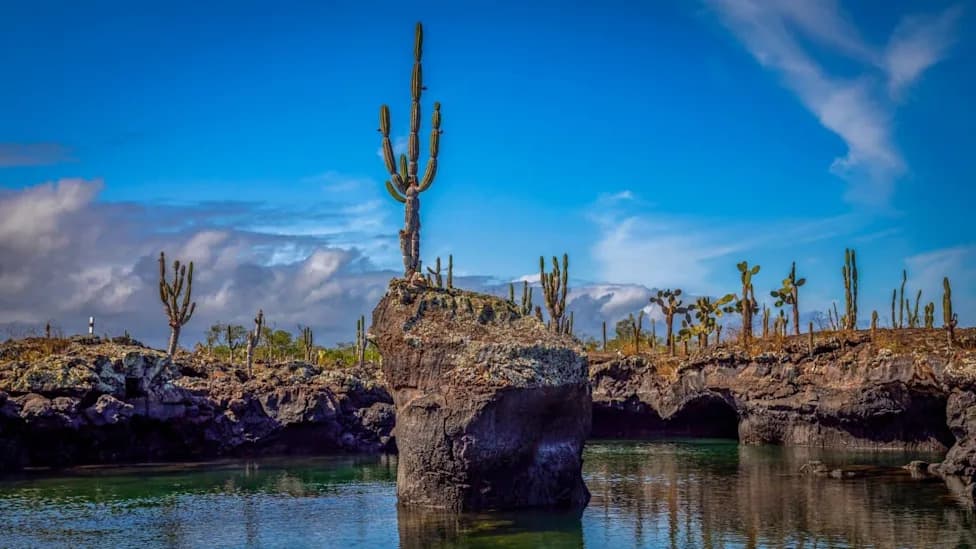
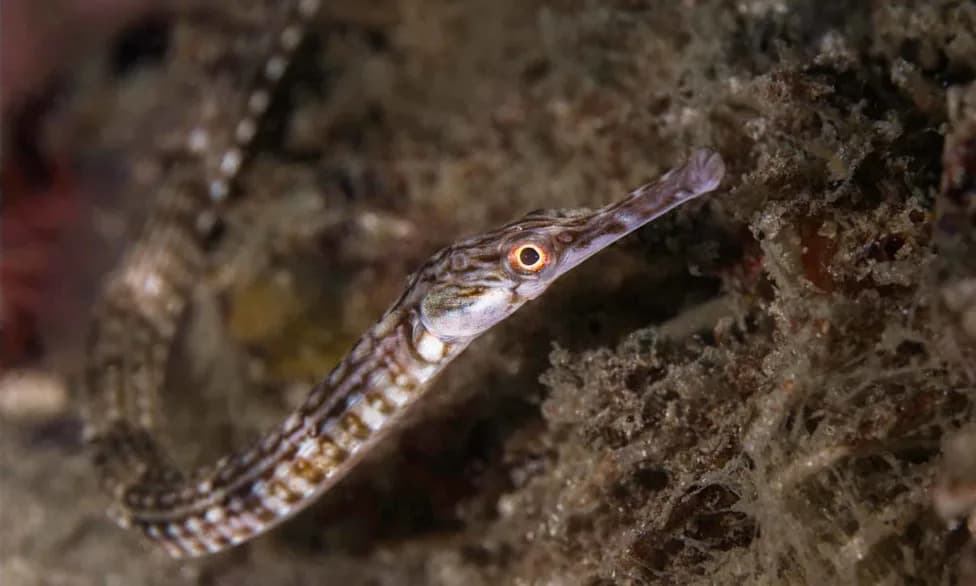
A 2026 study in Aquatic Conservation used verified records and species distribution modelling to revise the Pacific guitarfish's range. Rather than spanning from Mexico to Chile, the ray is likely confined to southern Ecuador, the Galápagos, Peru and northern Chile. Taxonomic confusion in older records inflated earlier maps, and high fishing pressure plus a lack of species-specific management raise serious conservation concerns. The authors recommend reassessing the species' extinction risk and prioritizing targeted surveys and protections.
Study Finds Pacific Guitarfish Far Rarer Than Thought — Range Shrinks to Ecuador, Galápagos, Peru and Northern Chile
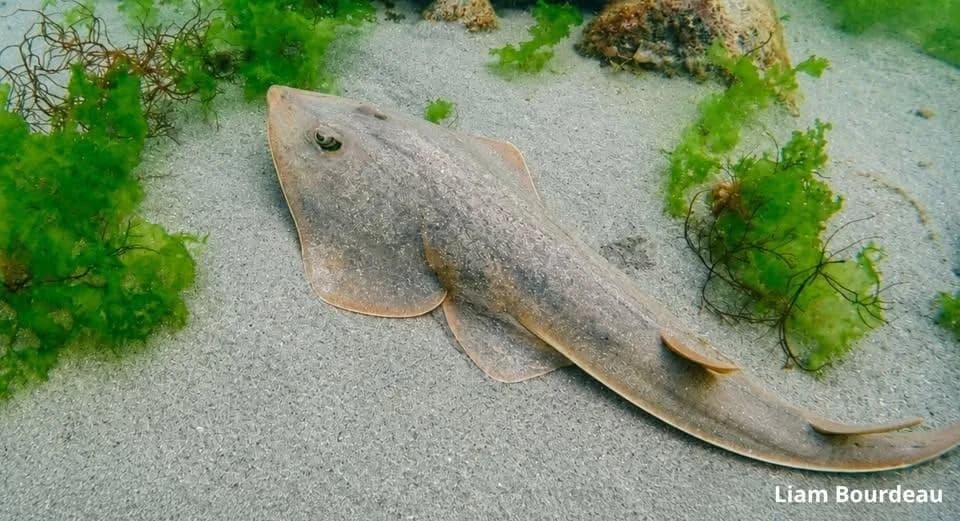
Historically documented from southern Mexico down to Peru and Chile, including the Galápagos Islands, recent 2026 habitat modeling published in Aquatic Conservation reveals that its actual distribution range is significantly smaller and more fragmented than previously recorded.Liam Bourdeau @proyectorayaaguila
A 2026 habitat-modelling study published in Aquatic Conservation shows the Pacific guitarfish (Pseudobatos planiceps) has a far more restricted and fragmented range than long believed. After revisiting museum records and verified field observations, researchers used species distribution modelling to produce a revised map of likely habitat — and the findings have important conservation implications.
What the Study Found
Historical records long suggested the species ranged from southern Mexico down to Chile, but many of those older observations were affected by taxonomic confusion and misidentifications. By compiling only verified occurrences and combining them with environmental variables in a species distribution model, the research team concluded that P. planiceps is likely confined to southern Ecuador, the Galápagos Islands, Peru and northern Chile. There is no convincing evidence supporting a sustained presence in Central America or northern South America.
Why This Matters
Geographic range is a fundamental input to extinction-risk assessments. A species thought to occupy thousands of miles of coastline may be assumed to have greater resilience because declines in one area might be offset by stable populations elsewhere. If the Pacific guitarfish instead occupies a much smaller region, its populations have fewer buffers against localized threats and are more vulnerable to regional pressures.
Vulnerability To Fisheries
Guitarfishes are benthic rays — not sharks — but they share the group of cartilaginous fishes with sharks and skates. Their flattened front and shark-like rear keep them close to the seafloor where they are easily camouflaged. That same lifestyle makes them susceptible to bycatch: bottom trawls, gillnets and other intensive fishing methods do not distinguish target species from incidental catch, so guitarfishes are frequently hauled aboard unintentionally.
Conservation Concerns
The researchers highlight high fishing pressure across the revised range and a lack of species-specific management. If P. planiceps is being removed throughout most or all of its actual range without targeted protections, populations could be declining unnoticed. Correct species identification is therefore essential — misgrouping similar-looking animals under a single name can artificially inflate perceived range and abundance and lead to underestimation of extinction risk.
What Should Happen Next
The authors recommend re-evaluating the Pacific guitarfish's conservation status using the updated range and prioritizing targeted field surveys, improved taxonomic verification of museum specimens, and fisheries monitoring in southern Ecuador, the Galápagos, Peru and northern Chile. Management measures could include bycatch mitigation, spatial protections for key habitats, and species-specific reporting requirements.
The ocean may be vast, but this study shows that range size alone does not ensure safety. Reduced distribution combined with intense fishing pressure raises urgent questions about how much time remains to secure the future of the Pacific guitarfish.
Originally published on Forbes.com.
Help us improve.