Chile has emerged as a new resupply point for a large Chinese fishing fleet after the vessels reduced logistical operations in Peru, Chilean authorities report. The Chilean Navy detected 70 foreign fishing boats roughly 900 miles north of Easter Island and tracked more than 300 vessels operating outside Chile's EEZ. Researchers say hundreds of Chinese vessels, supported by dozens of supply ships, enable extended offshore stays and target shared species such as giant squid, raising environmental and security concerns. Officials warn that limited patrol capacity and differing national priorities make coordinated regional action challenging.
Chinese Fishing Fleet Shifts Resupply From Peru To Chile, Raising Environmental And Security Concerns
Chile has become a new resupply point for the Chinese fishing fleet operating in the South Pacific after the vessels reduced their logistical operations in Peru.File Photo by Stephen Shaver/UPI
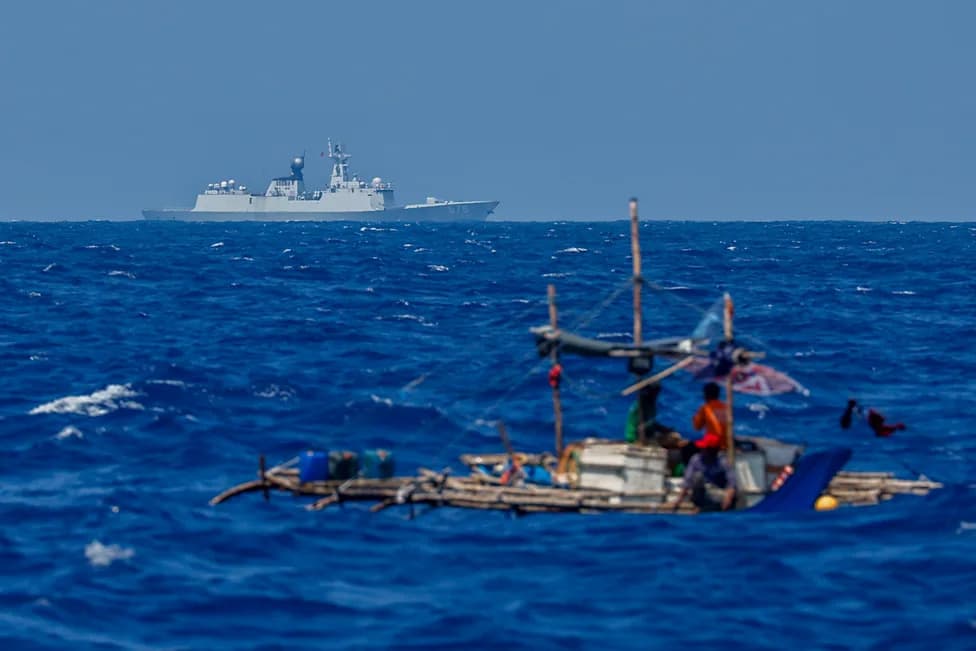
Chile has become a new resupply hub for large Chinese fishing operations in the South Pacific after those vessels curtailed logistical activity in Peru, Chilean authorities say. The Chilean Navy is now monitoring hundreds of foreign ships operating on the high seas, including a group of 70 vessels detected north of Easter Island—about 900 miles from Chile's coast—and more than 300 vessels observed beyond Chile's exclusive economic zone (EEZ).
What Authorities Found
Maritime officials reported detecting 'a fleet of 70 foreign fishing vessels dedicated to catching swordfish, tuna and giant squid' in waters outside Chile's EEZ but within the country's surveillance responsibility. The Navy added that, to date, there have been no confirmed entries of these boats into Chilean territorial waters.
Peruvian authorities say the shift away from Peruvian ports followed stronger oversight: Peru installed a satellite monitoring center linked to the navy and now uses eight tracking systems, according to statements to a Senate committee and reports by Infobae.
Scale Of The Fleet And Logistics
An analysis by researcher Milko Schvartzman identified dozens to hundreds of Chinese-flagged fishing vessels operating in the region. One report cited 342 Chinese fishing vessels accompanied by 25 support ships that provide at-sea resupply and maintenance, enabling long offshore deployments without entering port. Separately, data indicate that in 2024 some 528 Chinese vessels targeted giant squid inside the area overseen by the South Pacific Regional Fisheries Management Organization (SP RFMO).
Environmental And Regional Risks
Scientists warn the fleet targets species shared across national boundaries, including giant squid—large, highly mobile mollusks whose migrations connect waters of multiple countries. 'Any fishing pressure on that group is going to affect the resources available to coastal communities,' said Pablo Oyarzún, director of the Marine Biology program at Andrés Bello University's Quintay Marine Research Center.
'South American countries have to protect our territory against the Chinese threat, which fishes with a massive fleet that is incomparable to South America's,' Oyarzún said, noting the region's thousands of miles of coastline are difficult to patrol.
Security Concerns And Enforcement Limits
Beyond fisheries impacts, security analysts warn some vessels may perform intelligence collection or seabed mapping in addition to fishing. Juan Pablo Toro of AthenaLab said many of these ships are not warships but may have capabilities similar to military surveillance assets. Jéssica Fuentes, a maritime law professor, emphasized that much of the activity occurs on the high seas, where sovereign jurisdiction is limited and regulation depends on multilateral cooperation and regional fisheries organizations.
Smaller countries in the region, especially island states, face even greater enforcement challenges due to limited resources. Officials and experts say the combination of extensive coastlines, a large and mobile fleet, and differing national priorities complicates efforts to coordinate a regional response.
Sources: UPI reporting, Infobae, Milko Schvartzman analysis, statements from Chilean Navy and regional researchers.
Help us improve.