The spinach pipefish (Microphis spinachioides), not recorded by scientists since the mid-1980s, was rediscovered in Papua New Guinea's Sepik River after a local fisherwoman recognized it from photos shown by researchers. Two Binatang Research Centre scientists documented the catch and an ichthyologist confirmed the identification. The find underscores the power of local knowledge and community collaboration for locating "lost" freshwater species and highlights broader threats to freshwater biodiversity.
Rediscovered After 40 Years: How a Fisherwoman Helped Find the Elusive Spinach Pipefish
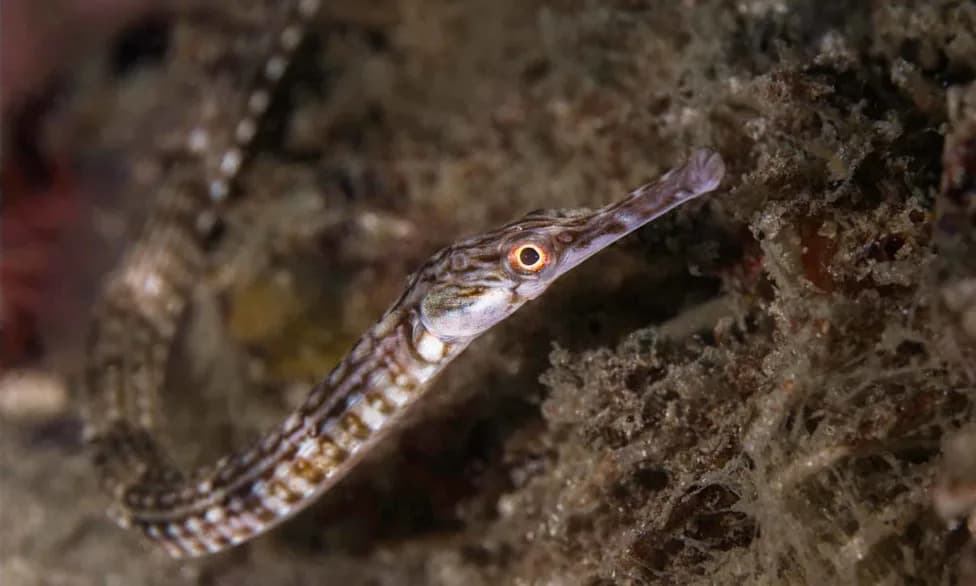
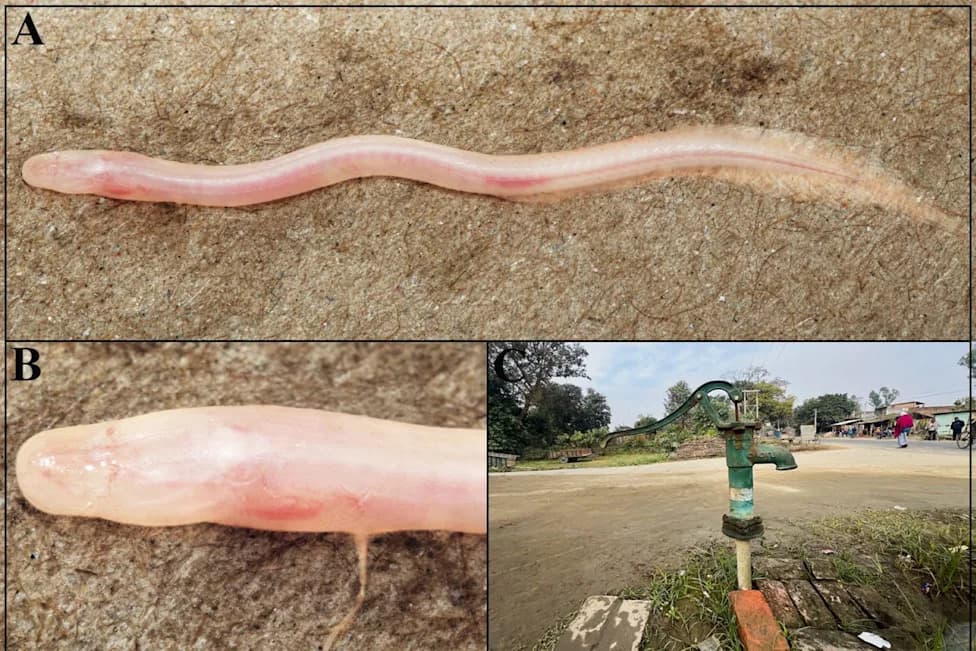
Pipefish© Madelein Wolfaardt/Shutterstock.com
Is a species truly lost if science hasn't recorded it in decades? That question was answered recently on Papua New Guinea's Sepik River, where a local fisherwoman recognized and caught a rare freshwater relative of seahorses: the spinach pipefish (Microphis spinachioides).
Long absent from scientific records since the mid-1980s, the spinach pipefish was believed to be restricted to the Sepik River system — a remote network of waterways that runs more than 680 miles through tributaries, lakes, forests and wetlands. Its rarity and the region's limited accessibility (only by boat or canoe) contributed to the decades-long gap in formal sightings.
How the Rediscovery Happened
Researchers from the New Guinea Binatang Research Centre, Jerrica Agebigo and Roger Maikel, spent two weeks surveying roughly 700 miles of the Sepik, inspecting market catches and speaking with riverside communities. They showed villagers photographs of the pipefish and recorded local names (including Karuweng, Inap, Karuwena and Sako) as well as descriptions of the fish's preferred vegetated riverbank habitats.
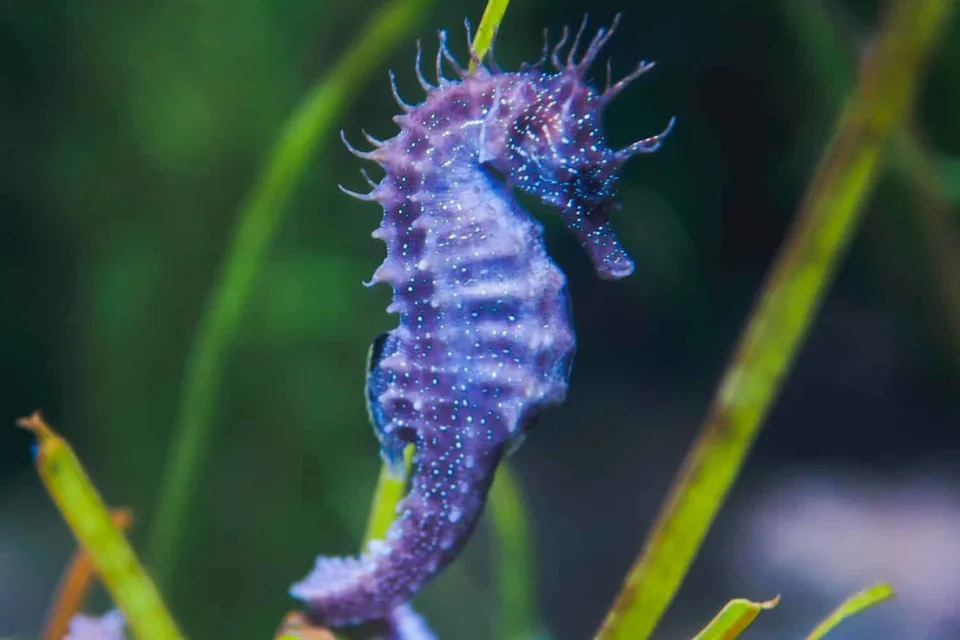
Spinach pipefish are distant relatives of seahorses.©paulzhuk/Shutterstock.com
"Every community welcomed us warmly and shared remarkable knowledge about their river. It is a place where scientific research depends heavily on collaboration with local people," Agebigo told Discover Wildlife.
One fisherwoman, Helen Asu of Imbando village, fishes for freshwater prawns using a traditional handheld net called an umber. After recognizing the pipefish from the researchers' photos, she intentionally looked for it during her next trip. The following morning she caught two individuals. The researchers photographed the specimens and sent the images to Australian ichthyologist Gerald Allen, who had first recorded the species in the Sepik in the 1980s; he quickly confirmed the identification.
Why This Matters
The spinach pipefish is listed by the IUCN as Data Deficient, meaning there is not enough information to assess its risk of extinction. The species was also included on the Search for Lost Fishes list — a 2021 initiative by SHOAL and Re:wild associated with the IUCN-SSC Freshwater Fish Specialist Group that targets species not recorded by scientists for at least ten years but not declared extinct.
Complicating research is the loss of the original museum specimen (the holotype), which was destroyed during World War II at a Hamburg museum. Beyond a few photographs and sparse specimens, basic details such as the species' typical adult size remain uncertain; available evidence suggests individuals may reach roughly six inches, but this is not confirmed.
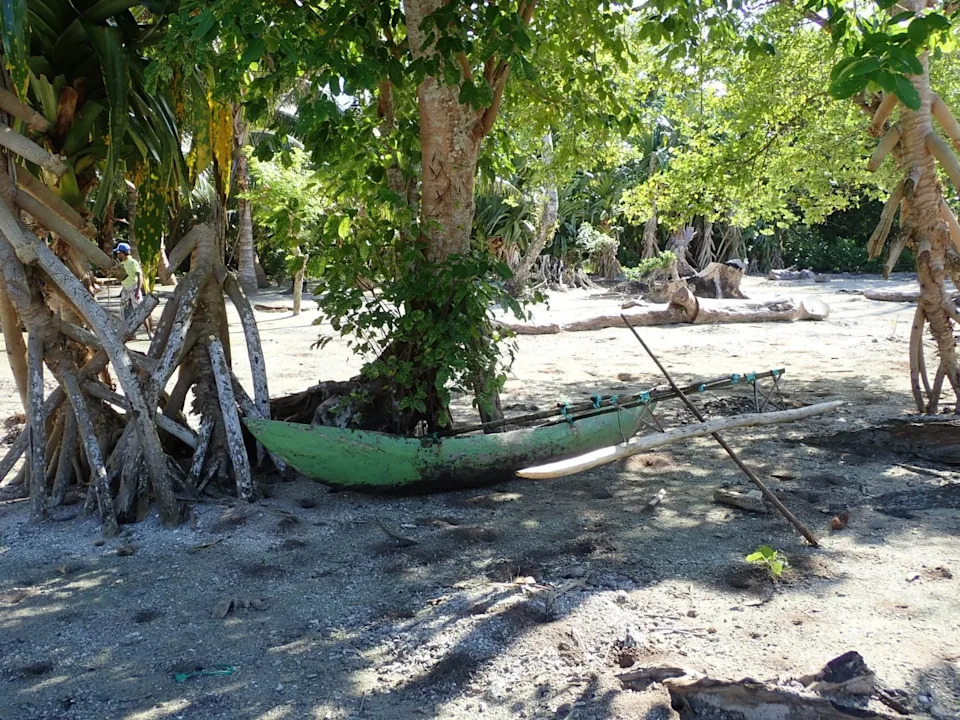
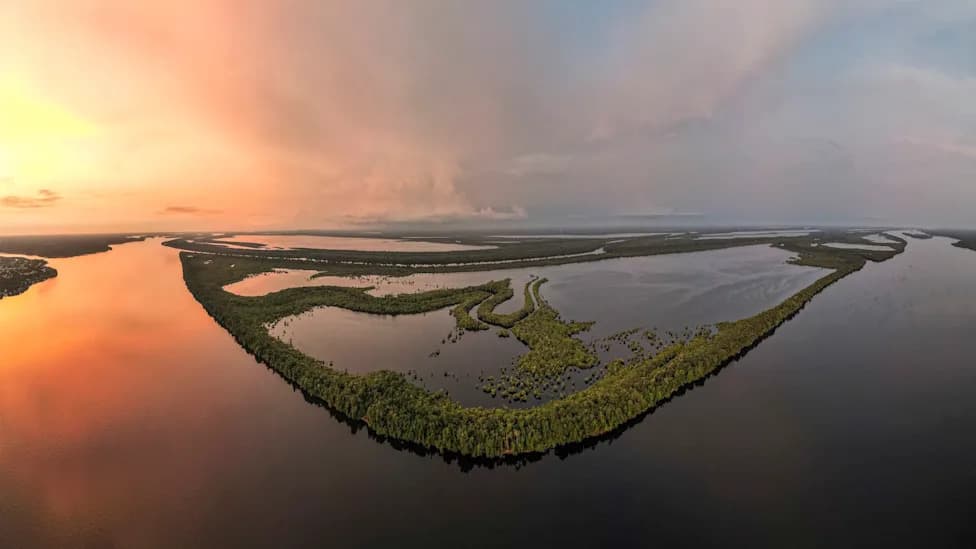
The research was conducted along the rugged Sepik River, in a location only accessible by boat or canoe.©Parrotfish Journey/Shutterstock.com
Like seahorses, spinach pipefish exhibit paternal brooding: females deposit eggs on the male's tail and the male incubates them in a pouch for weeks, sometimes carrying up to about 150 embryos at once.
Broader Conservation Context
Rediscoveries provide more than good news for a single species. They validate the value of local ecological knowledge and scientist-community partnerships in remote landscapes. They also highlight broader threats to freshwater biodiversity: a 2026 United Nations-backed study reported an approximate 81% decline in migratory freshwater fish populations since 1970, and Sepik villagers interviewed during the expedition attributed observed declines in native fish to mining and logging in the region.
Researchers say that collaboration with local communities will likely be the most effective path to locating other "lost" species and to developing conservation responses that protect freshwater ecosystems and the people who depend on them.
"Without her knowledge, initiative, and willingness to assist, the rediscovery may not have been possible," Agebigo told Discover Wildlife about Helen Asu's role.
Help us improve.