An NHS anaesthetist, Ed Patrick, used Google’s Gemini AI to identify a likely vitamin B6 deficiency as the cause of his mother’s life-threatening, continuous seizures while she was taking carbidopa–levodopa for Parkinson’s. After clinicians administered intravenous B6, the seizures stopped within minutes and Ann recovered, with improved cognitive symptoms. Experts stress the case is rare (14 similar reports), call for clinical trials, and warn patients not to change medications or start supplements without medical advice.
AI-Aided Breakthrough: Vitamin B6 Reversed Life-Threatening Seizures — Possible Clues For Parkinson’s Care

Ed Patrick and his mother, Ann, who has Parkinson's Disease, and father John [BBC]
An NHS anaesthetist says he used an AI tool to identify a likely cause of his mother's sudden, continuous seizures and that a targeted vitamin B6 dose appeared to stop the attacks within minutes. Clinicians involved caution that this is a single, rare case and say clinical trials are needed before changing routine care.
What Happened
Ed Patrick, an anaesthetist from Oxfordshire, arrived at his mother Ann's bedside in a Nottinghamshire hospital after she had developed continuous, severe seizures and was described by staff as close to death. Standard anti-seizure medications had not controlled the episode, and Ann was unconscious and developing kidney failure.
The AI-Led Insight
Patrick used Google's Gemini AI to scan and summarise recent medical literature related to her symptoms. He identified reports linking vitamin B6 (pyridoxine) deficiency to seizures in rare cases and a possible association between low B6 and long-term use of the Parkinson's medication combination carbidopa–levodopa.
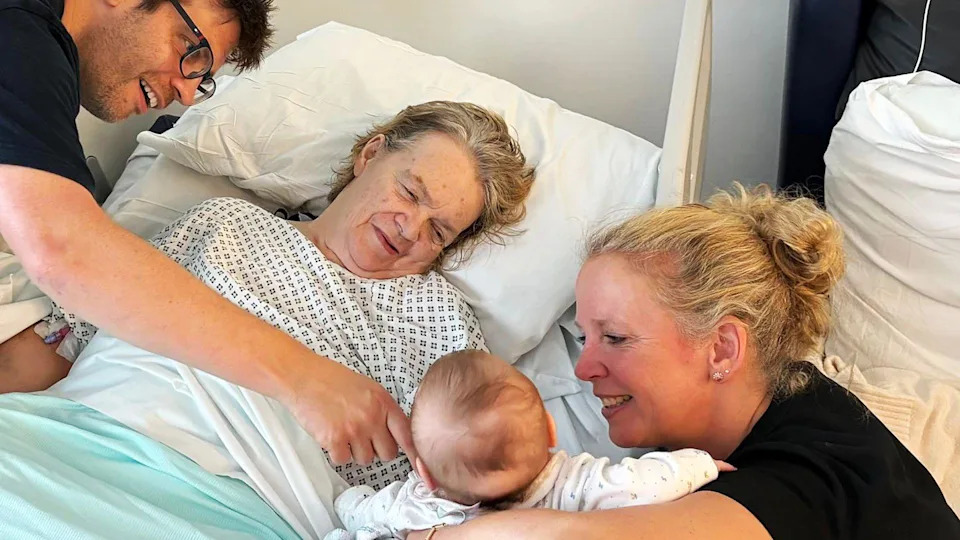
After she recovered, Ann was visited by her newest granddaughter, saying: "She's absolutely glorious." [BBC]
The Intervention And Outcome
After discussing the findings with the neurology consultant, staff administered an intravenous dose of vitamin B6. According to the treating team, seizure activity stopped within minutes and Ann has had no further seizures. Ann also showed marked improvement in day-to-day cognitive symptoms related to Parkinson's disease.
Dr Bruno Gran, consultant neurologist at Nottingham University Hospitals: "As an anaesthetist, Ed has a strong understanding of clinical pharmacology. What we did not anticipate was the speed and magnitude of the response."
Expert Reaction And Caution
Doctors emphasise that the phenomenon appears to be rare — only 14 similar cases have been reported — and that further research, including clinical trials, is required to establish who might benefit from screening or supplementation. Parkinson's UK welcomed calls for trials and said any findings could transform care for some patients.
Experts also warned patients not to change medications or start supplements without medical advice. Very high doses of vitamin B6 can cause harm, and clinicians recommend testing blood B6 levels before taking supplements.
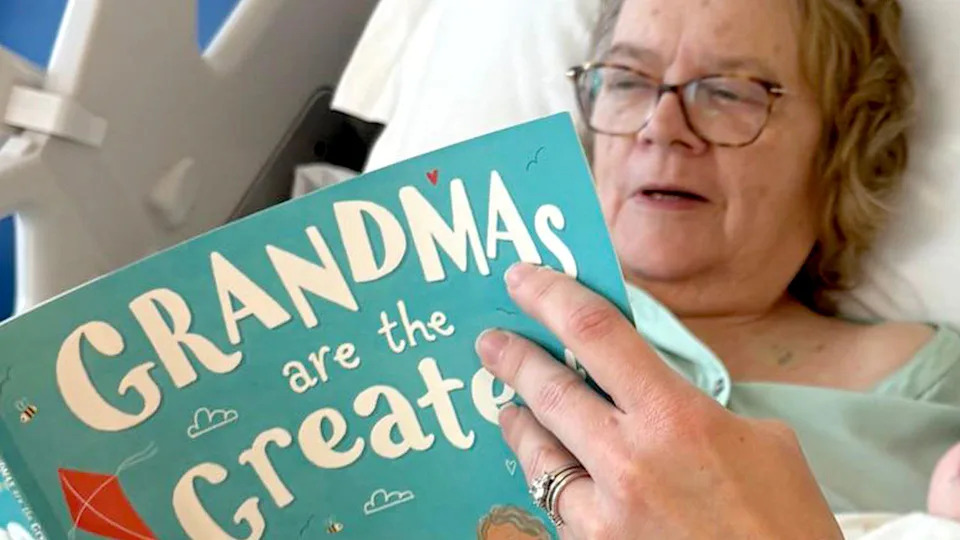
Ann reads a book to Ed Patrick's baby - her youngest granddaughter - after she recovered [BBC]
Regulatory And Clinical Context
Earlier this year the US Food and Drug Administration issued a memo recommending that certain Parkinson's drugs carry warnings about potential links to B6 deficiency. Clinicians in the UK say awareness among NHS staff is still limited but that some centres are already reviewing practice following this case.
Why This Matters
If confirmed in larger studies, the link between Parkinson's medication, B6 deficiency and severe neurological complications could lead to targeted screening, clearer prescribing warnings, and preventive supplementation for at-risk patients. For now, clinicians urge measured investigation rather than immediate changes to treatment protocols.
Key facts: Ann has made a full recovery from the seizures and has improved cognitive functioning. About 166,000 people in the UK live with Parkinson's disease, according to Parkinson's UK.
Help us improve.