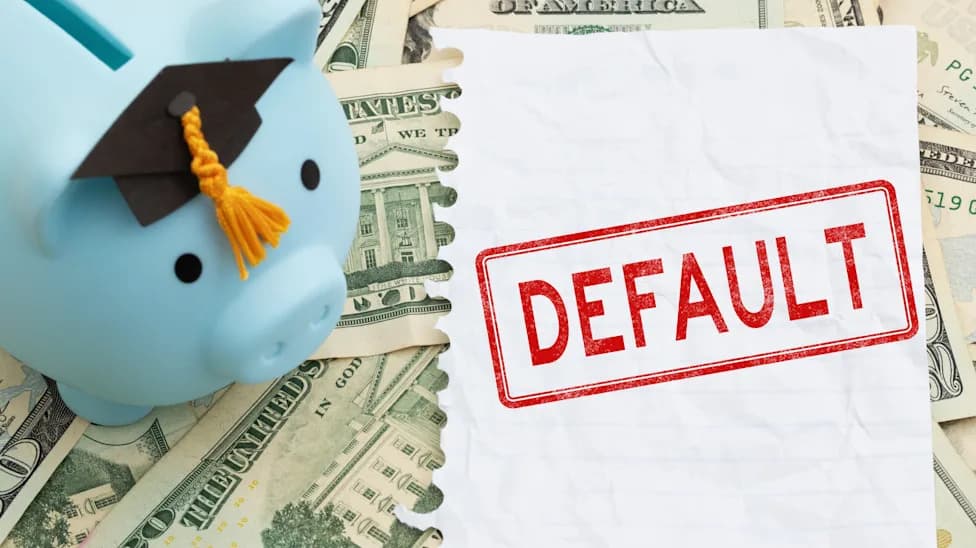
New Department of Education data show roughly 1,800 U.S. colleges have at least 25% of borrowers who entered repayment in 2020 behind on payments, signaling elevated default risk. Federal rules allow the department to cut off institutions' access to federal aid if cohort default rates exceed defined thresholds. Pandemic-era payment pauses have suppressed official CDRs; the first full post-pandemic CDR release is expected in fall 2027. Policy changes and a new digital portal may both raise and reduce future defaults, and the department is offering training and support to help campuses manage risk.
Student Loan Defaults Surge: 1,800 Colleges Flagged as At-Risk
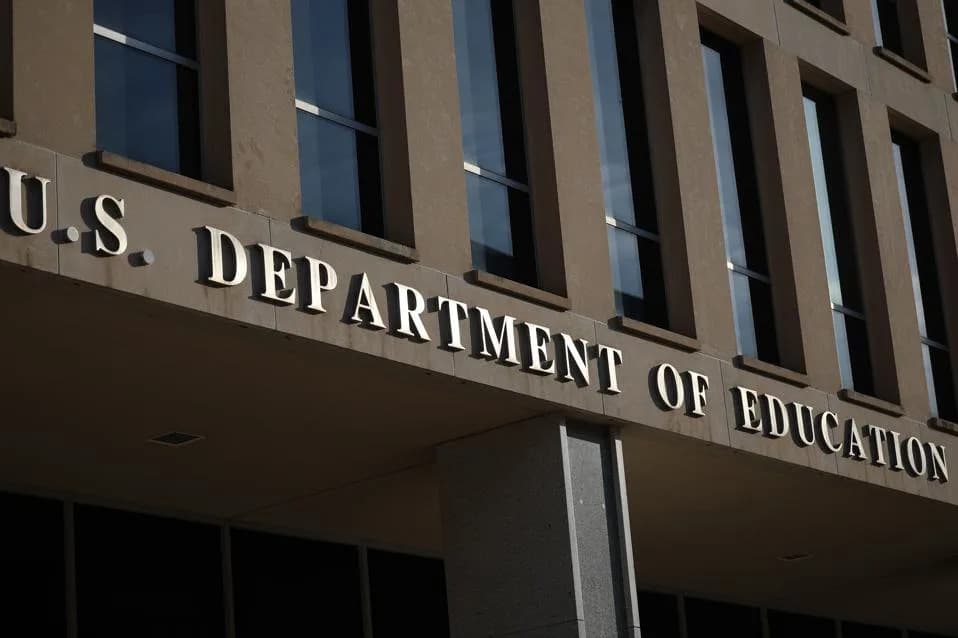
The U.S. Department of Education recently published a list showing hundreds of colleges having high rates of student loan borrowers in default, or nearing it.Getty Images
New data from the U.S. Department of Education show hundreds of colleges with unusually high shares of borrowers either in default or at risk of defaulting on federal student loans. The snapshot is a warning for campuses and a reminder that federal oversight could cut off institutions' access to aid if borrowers cannot repay.
What the Data Show
The department's recent release indicates roughly 1,800 institutions have at least 25% of students who entered repayment in 2020 already behind on payments and trending toward default. In a broader flagging list, about 2,100 campuses show nonpayment rates of 25% or higher, although some on that list have since closed or lost federal eligibility.
Why Colleges Should Be Concerned
Federal law allows the Education Department to revoke a school's access to federal financial aid if cohort default rates (CDRs) meet certain thresholds: 30% or more of a campus's borrowers default within three years of entering repayment for three consecutive years, or a single-year CDR of 40% or higher within that window. For CDR calculations, borrowers are counted as in default once they reach 360 days delinquent (while individual loans typically default after 270 days).
Context: Pandemic Pause and What Comes Next
The nationally reported official CDR is effectively near 0% because pandemic-era payment pauses prevented borrowers from entering formal default. Mandatory repayments resumed in fall 2023, and the department offered a yearlong "on-ramp" so borrowers would not immediately be counted as delinquent. The first official nationwide CDR release since pandemic flexibilities fully expire is expected in fall 2027, with a preview for colleges in early 2027.
Who Is Most Affected
More than 1,200 of the flagged institutions are for-profit colleges, a sector whose graduates historically face higher default risk. Nearly 600 are public campuses and about 230 are private nonprofit institutions. Currently, roughly 1,400 colleges show nonpayment rates at or above 30%.
Scale Of The Problem
As of the current fiscal quarter, the Education Department reports more than 9 million borrowers in default, with outstanding defaulted balances totaling $234 billion—about 14% of the roughly $1.6 trillion federal student loan portfolio (figures through June 2026).
Policy Changes That Could Shift Future Rates
Provisions in the One Big Beautiful Bill Act (passed last year) may both raise and lower measured defaults. Effective July 1, 2027, the law eliminates some loan deferral options and limits forbearance to nine months in any 24-month period—changes that could reduce ways borrowers pause payments and increase defaults. At the same time, the law allows borrowers to rehabilitate a defaulted loan twice (instead of once) beginning July 2027, offering another path out of default; rehabilitation typically requires nine on-time payments in a 10-month span and can be administratively burdensome.
Federal Support For Colleges And Borrowers
The Education Department has stepped up outreach and tools to help institutions and borrowers. Recent efforts include an online course for financial aid professionals, a webinar scheduled for Oct. 13 that will walk campuses through preventing defaults, and a new digital portal—launched with the Treasury Department—that streamlines the process for borrowers to exit default and regain benefits.
"The department is committed to supporting repayment rate success and stands ready to assist institutions of higher education with elevated nonpayment or CDRs improve borrower outcomes," the Education Department said in a public statement.
Colleges with large numbers of delinquent borrowers should review repayment counseling, income-driven repayment outreach, and default-prevention strategies now to reduce the risk of losing federal aid when CDRs are officially reported.
This article was adapted from reporting originally published by Forbes.
Help us improve.