The Education and Treasury Departments launched the Defaulted Loans Support Center on Sept. 30 to give borrowers a single online place to learn about default consequences and apply to rehabilitate or consolidate federal student loans. Updated Federal Student Aid data through June 30 show defaults rose by roughly 400,000 during the quarter to about 9.3 million borrowers. As part of a March partnership, the Treasury has taken operational responsibility for collecting defaulted federal student loan debt. More than 60 lawmakers have criticized the administration's handling of the default crisis and urged stronger borrower protections.
Education and Treasury Launch Online Support Center for 9.3M Borrowers in Default

iStock
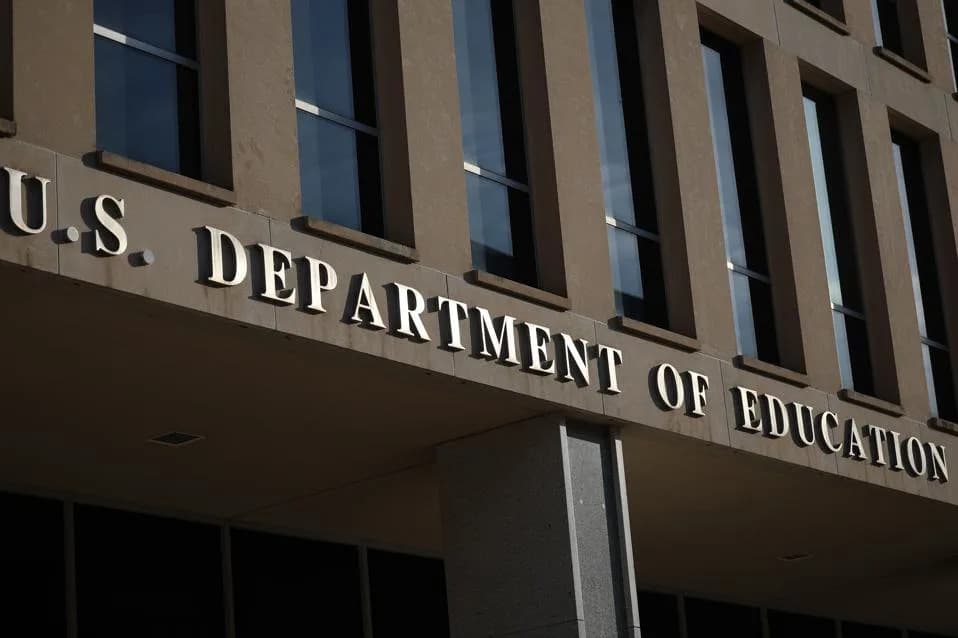
The U.S. Department of Education and the Treasury Department on Wednesday, Sept. 30, launched a centralized online portal designed to help borrowers with defaulted federal student loans access information and repayment options more easily.
The Defaulted Loans Support Center is described in a joint press release as a streamlined resource that "gives borrowers with defaulted federal student loans a simple, streamlined way to understand the consequences of default and apply online to either rehabilitate or consolidate their loans," and that it "replaces outdated websites and burdensome mail and fax-based processes."

Will Oliver/UPI/Newscom/The Mega Agency
Education Secretary Linda McMahon said the initiative reflects a broader effort to modernize federal student-aid administration: "The Department of Education was never intended to serve as the fifth largest bank in America, and that's exactly why we partnered with the Treasury Department to improve the administration of federal student aid programs that millions of American students, families, and borrowers rely on."
The launch comes amid worsening default figures. Newsweek reported updated Federal Student Aid (FSA) data through June 30 showing roughly 400,000 additional borrowers entered default during the prior quarter, bringing the total to about 9.3 million people with federal student loans in default.

Ingram Publishing/Newscom/The Mega Agency
In March, the Education Department announced the "Federal Student Assistance Partnership," under which the Treasury Department assumed operational responsibility for collecting on defaulted federal student loan debt. The new online center is part of that shift and is intended to consolidate services previously scattered across older websites and paper-based channels into a single digital portal.
Criticism From Lawmakers
Not all stakeholders welcomed the move. In June, more than 60 lawmakers — led by Senators Elizabeth Warren (D-Mass.) and Jeff Merkley (D-Ore.), and Representatives Ayanna Pressley (D-Mass.) and André Carson (D-Ind.) — criticized the Education Department's proposal. The bipartisan group argued that the administration has not done enough to protect borrowers and warned the change could raise costs for struggling borrowers.
"(I)nstead of pursuing solutions that protect borrowers, the Trump administration has deflected blame, punted responsibility for the default crisis to another agency, and raised costs for borrowers at every turn. We urge you to provide meaningful support to borrowers," the lawmakers said in a statement posted on Senator Warren's website.
Federal officials say the Defaulted Loans Support Center is intended to make it easier for borrowers to learn their options and apply online for rehabilitation or consolidation. The portal is operational immediately and aims to reduce reliance on paper mail, fax, and outdated web pages while modernizing collections and borrower assistance processes.
Borrowers seeking help can visit the Defaulted Loans Support Center through the Department of Education or Treasury websites for step-by-step guidance on next steps, eligibility requirements, and how to apply for rehabilitation or consolidation online.
Help us improve.