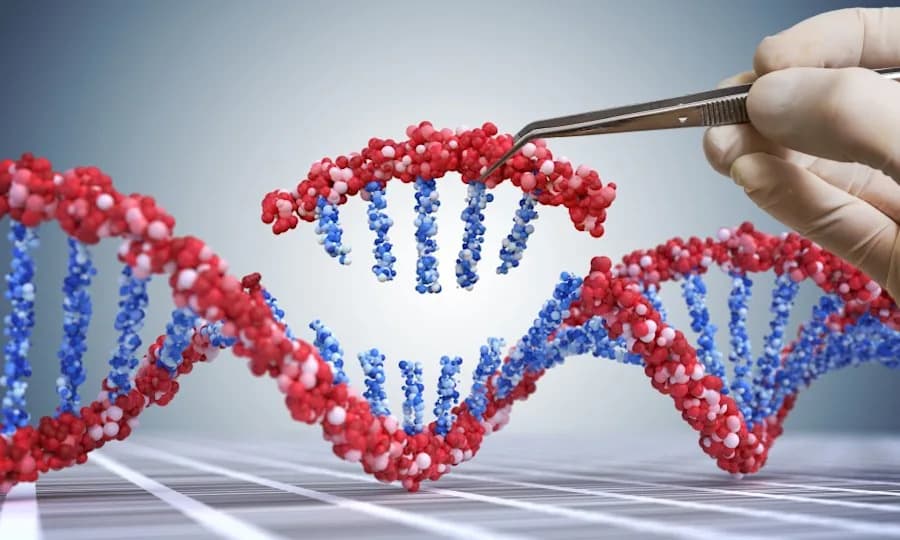
The Nature study links over 1,000 genetic variants — including 800+ newly identified — to personality traits and related life outcomes using DNA and Big Five questionnaires from 46 cohorts. Certain variants associate with behaviors such as daytime activity or a night-owl schedule and with health measures like hospital visits. Still, genetics explains only about 5–10% of personality variation; environment, culture and experience account for the majority.
Genes and Personality: New Study Finds 1,000+ Genetic Links — But Environment Still Rules
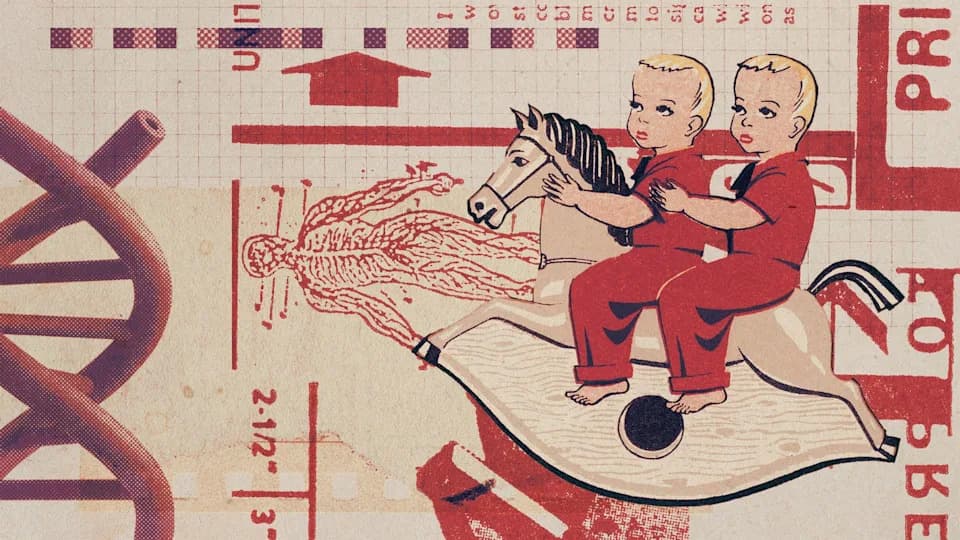
Genes work in association with upbringing and experience to affect who we become. | Credit: Illustration by Julia Wytrazek / Getty Images
A large new analysis shows that DNA helps shape personality and life outcomes — but only a small slice of the picture. Researchers report associations between more than 1,000 genetic variants and personality traits, while emphasizing that upbringing, experience and culture remain the dominant forces that shape who we become.
What the study did: Published in Nature, the study pooled data from 46 cohorts in which participants provided DNA samples and completed questionnaires measuring the 'Big Five' personality dimensions: openness to experience, conscientiousness, extraversion, agreeableness and neuroticism. Researchers also used demographic and lifestyle data to examine how genetic risk correlates with health, education, career trajectories and social perception.
Key findings: The analysis identified more than 1,000 variants linked to personality, including over 800 not previously reported. Certain genetic patterns were tied to observable behaviors and outcomes: variants associated with conscientiousness correlated with greater daytime activity, while variants linked to openness and extraversion correlated with evening activity (the 'night owl' tendency). Variants tied to neuroticism were associated with increased hospital time.
Analyses that compared siblings and fraternal twins raised in the same household showed that genetic effects observed within families matched effects seen across unrelated people, strengthening the evidence that these associations reflect inherited influences rather than only shared environment.
"Genes influence our personality predispositions, but there are clearly also substantial environmental causes of personality, which collectively explain the majority of individual differences," said Michel Nivard, a genetic epidemiologist at the University of Bristol and a senior author on the study.
Culture and measurement: The study also flagged cross-cultural variation in how traits are expressed and measured. Agreeableness proved hardest to analyze: it showed weaker genetic correlations across countries and lower heritability estimates, suggesting that what people in different cultures call 'agreeable' may not be identical. The authors note this is one of the first uses of genetic data to test whether the same word captures the same construct across cultures.
Limitations and takeaways: Overall, genetic differences account for roughly 5–10% of variation in personality across individuals. That means genetics can help explain group-level trends and links between personality and life outcomes, but they offer limited predictive power for any one person's character. Environment, life experience and social context remain the strongest shapers of individual personality.
Help us improve.