Researchers spread about 30 dump-truck loads of fresh coffee pulp over a degraded 100' × 130' plot in Costa Rica. Within two years the treated site reached ~80% canopy cover and much taller vegetation, while an adjacent control remained dominated by invasive grasses. Thick coffee mulch suppressed invasives and boosted soil phosphorus, carbon and nitrogen, suggesting a low-cost restoration tool pending wider testing.
Coffee Waste Sprouts A Forest In Two Years — How Coffee Pulp Helped Restore Degraded Land
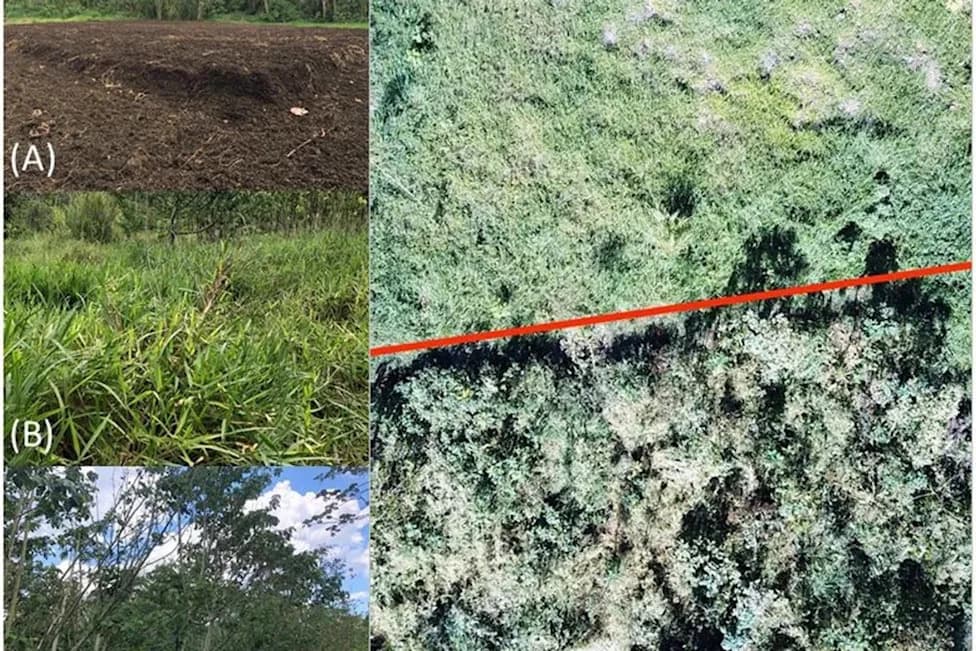
Spreading coffee pulp over barren land lead to rapid forest growth.
Coffee production generates vast amounts of organic waste: when beans are separated from cherries roughly 45% of the original biomass becomes coffee pulp. Instead of consigning that material to landfills, researchers tested whether thick layers of fresh coffee pulp could jump-start forest recovery on degraded tropical land.
In a 2018 field trial reported in the British Ecological Society journal Ecological Solutions and Evidence, teams from ETH Zurich and the University of Hawai‘i spread about 30 dump-truck loads of coffee pulp across a rectangular plot roughly 100 feet by 130 feet on a former coffee farm in Costa Rica. The pulp — made from discarded coffee cherry flesh (not spent grounds) — was applied at roughly 20 inches (≈50 cm) across the site; an accompanying photo caption described a layer close to three feet, a discrepancy the authors note in their methods description.
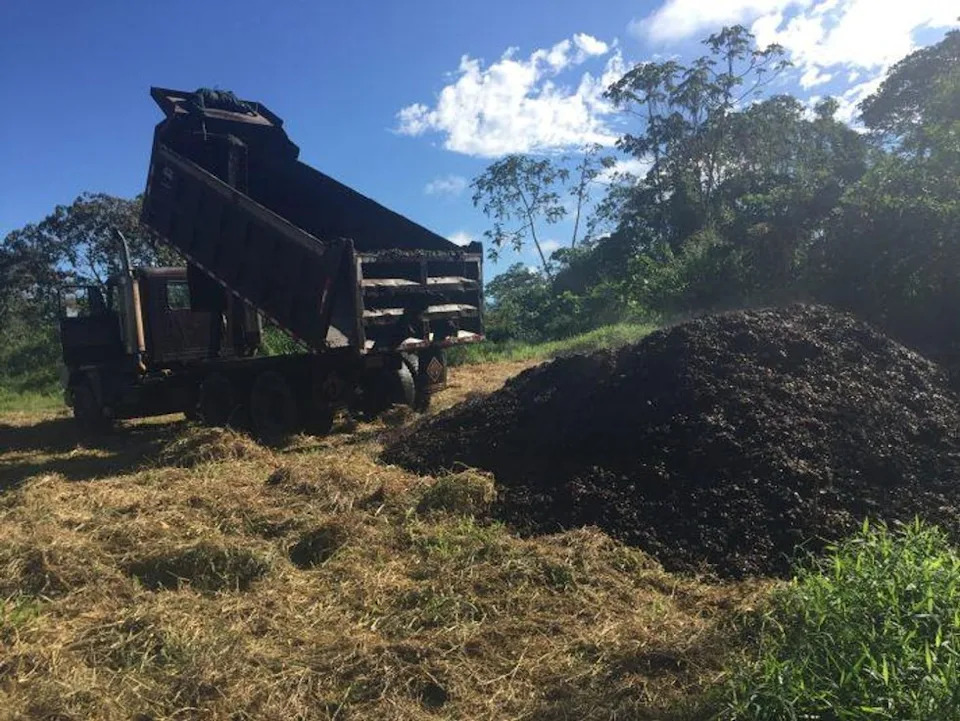
A layer of coffee pulp three feet thick was applied. Photo credit:British Ecological Society
Striking Results
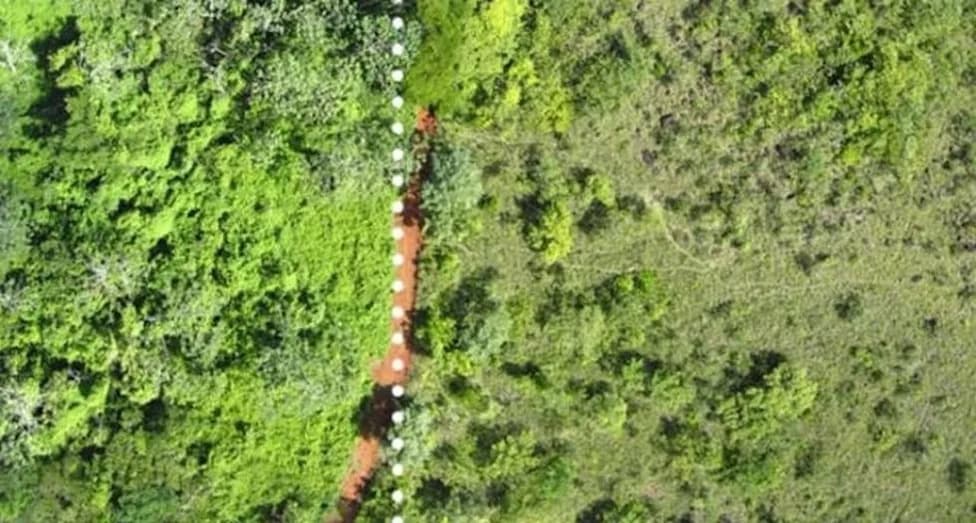
The outcomes were dramatic. After two years the treated plot developed dense tree cover and much taller vegetation, while an adjacent untreated control plot remained dominated by invasive pasture grasses that suppress forest succession. Quantitatively, the coffee-pulp-treated area reached about 80% canopy cover versus roughly 20% in the control, and average tree height was approximately four times greater in the treated plot.
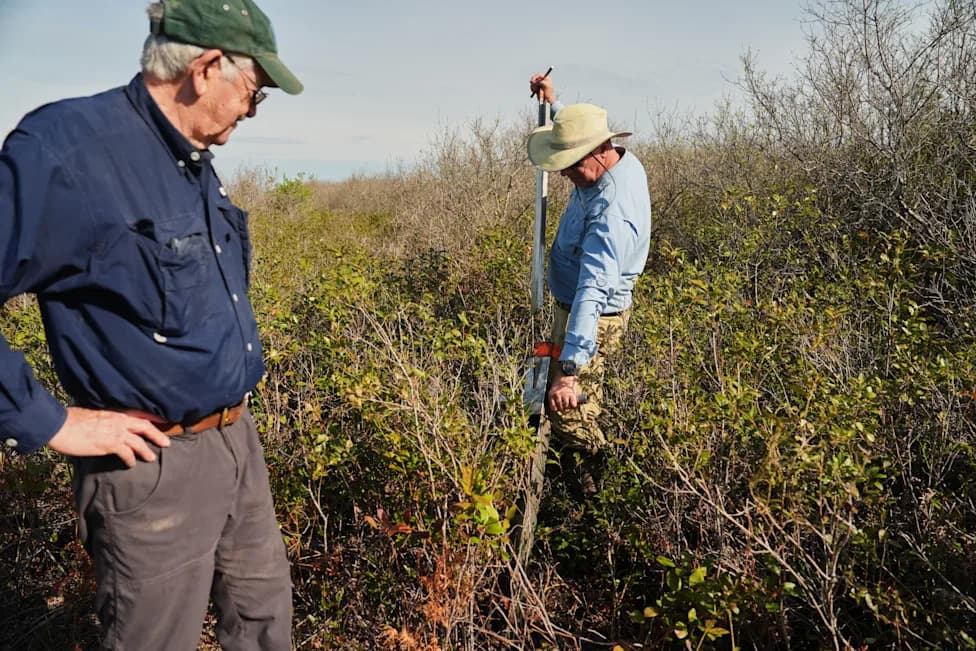
"This case study suggests that agricultural by-products can be used to speed up forest recovery on degraded tropical lands," said Dr. Rebecca Cole, lead author of the study.
Why It Worked
Researchers identified two main mechanisms behind the rapid recovery: (1) the thick mulch suppressed invasive pasture grasses that had been blocking native trees and shrubs from establishing, and (2) decomposition of the pulp substantially increased soil nutrients — notably phosphorus, carbon and nitrogen — creating more favorable conditions for plant growth.
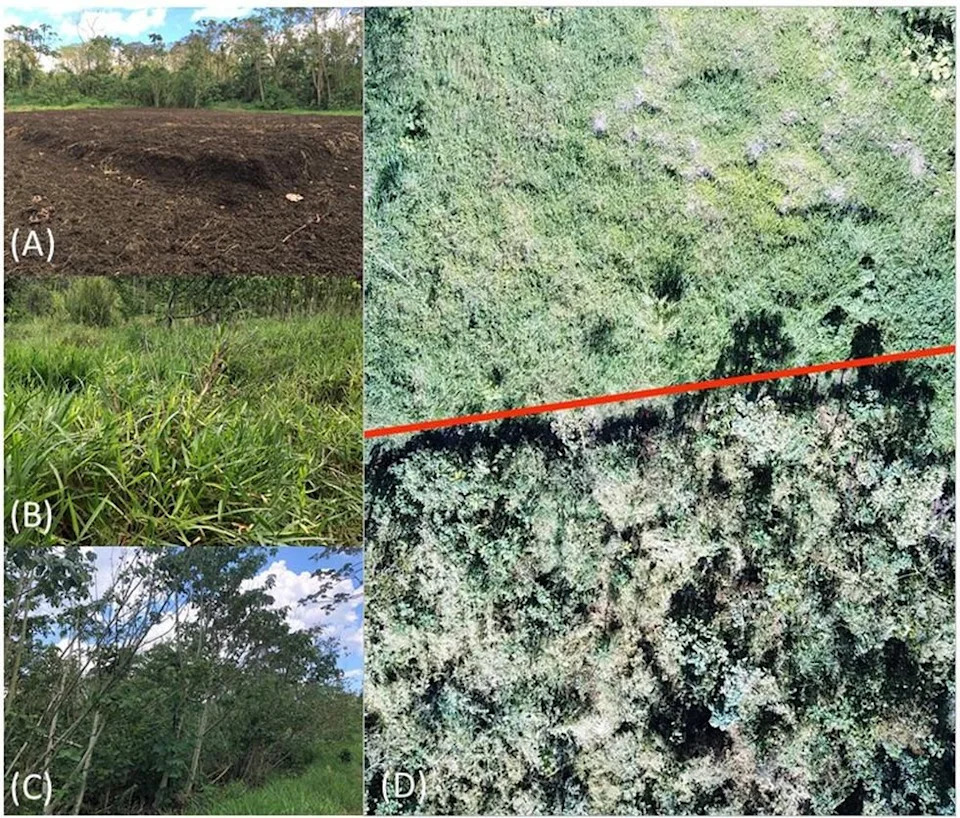
The forest experienced a radical, positive change. Photo credit:British Ecological Society
Limits and Implications
The authors emphasize this is a single-site case study. They call for replication across different climates, soils and disturbance histories before the approach is scaled up. Still, the experiment suggests a potentially low-cost, circular solution: repurposing an estimated 10 million tons of coffee pulp discarded globally each year to help restore degraded lands.
Restoration matters for climate as well as biodiversity. Global estimates suggest roughly 10 million hectares of forest are lost annually; accelerating reforestation and forest recovery is a key part of international climate goals such as the 2016 Paris Agreement. If further trials confirm these results, coffee-producing regions could turn a costly waste stream into a valuable restoration input.
Caveats: The study used fresh coffee pulp (not spent grounds from brewing), and local outcomes may vary. The reported pulp depth includes a minor inconsistency between field notes (about 20 inches) and a photo caption (close to three feet), which the authors acknowledge. More research is needed to assess biodiversity outcomes, nutrient leaching risks, and best-practice logistics for larger projects.
Help us improve.