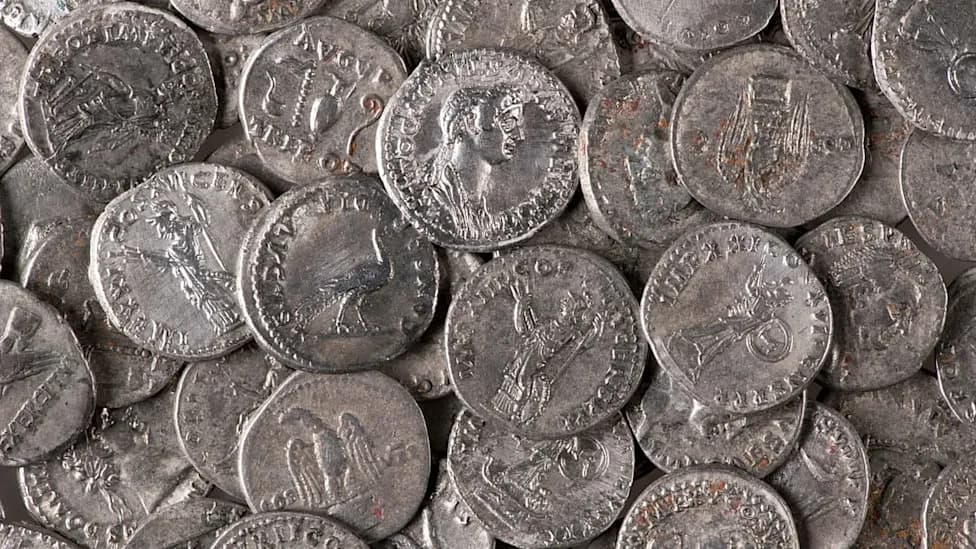
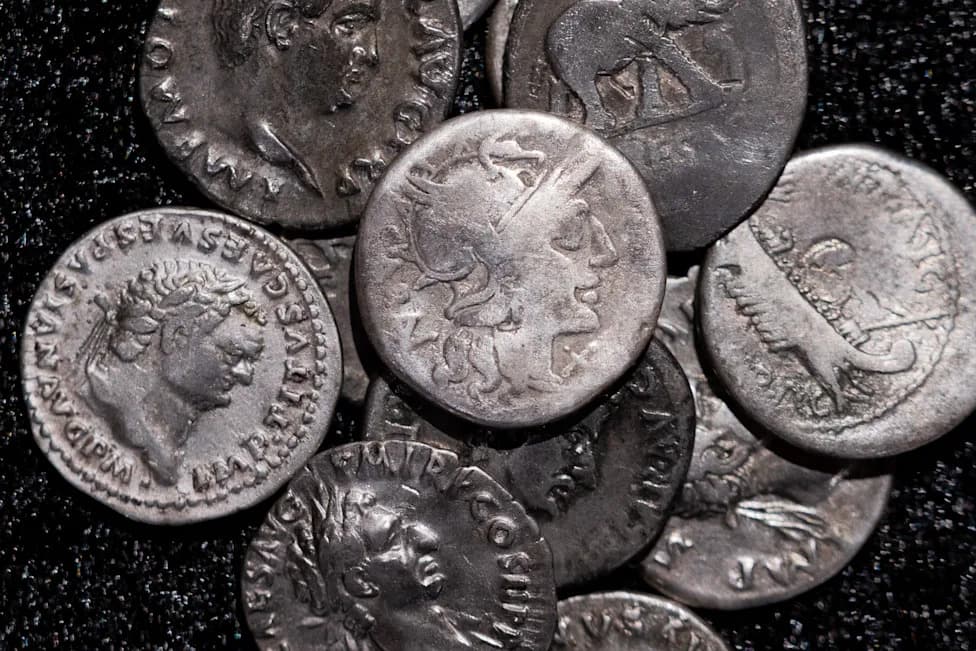
Archaeologists near the Vatican's Palazzo della Rovere unearthed 20 Anglo-Saxon coins from 10th-century England, including 19 silver pennies and a halfpenny. Two clusters of coins were found fused together, suggesting prolonged burial and local use. The finds strengthen evidence for a substantial English presence in medieval Rome — centered on the Schola Saxonum — and point to notable religious and economic ties between England and the city.
20 Anglo-Saxon Coins Unearthed Near the Vatican Reveal a 'Little England' in Medieval Rome
Rome first occupied England during the 1st century CE.
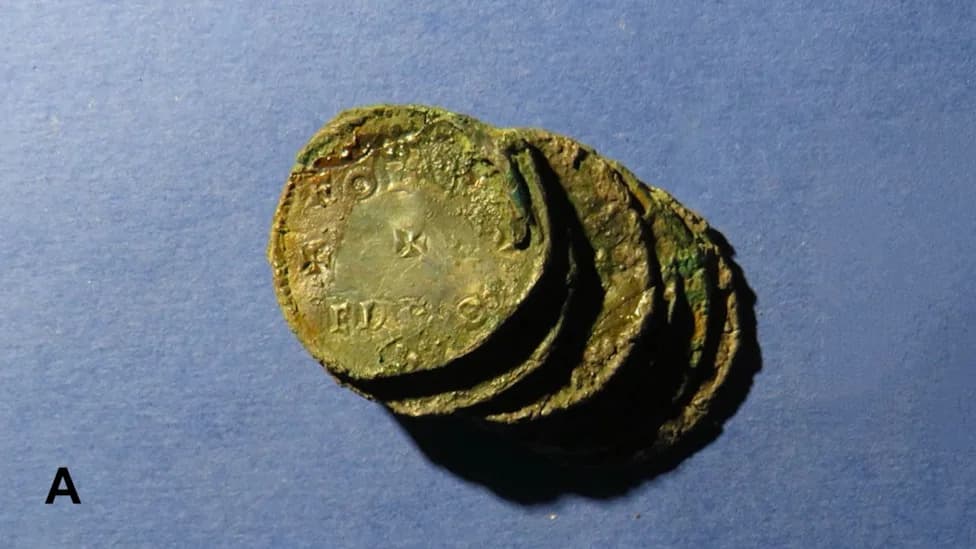
Archaeologists working in the garden of Palazzo della Rovere, near the ruins of Emperor Nero's theatre and beside the Vatican, have uncovered a small but telling hoard: 20 Anglo-Saxon coins from 10th-century England. The group includes 19 silver pennies and a halfpenny, and two clusters of six to eight coins were found fused together after more than a millennium underground, suggesting prolonged burial and local circulation.
The coins join growing archaeological evidence that English pilgrims, merchants and settlers formed a visible community in medieval Rome. This community centered on the Schola Saxonum, a quarter reserved for English visitors and residents; archaeological estimates put its footprint at roughly 32,000 square feet (about 3,000 m²), roughly half a soccer field.
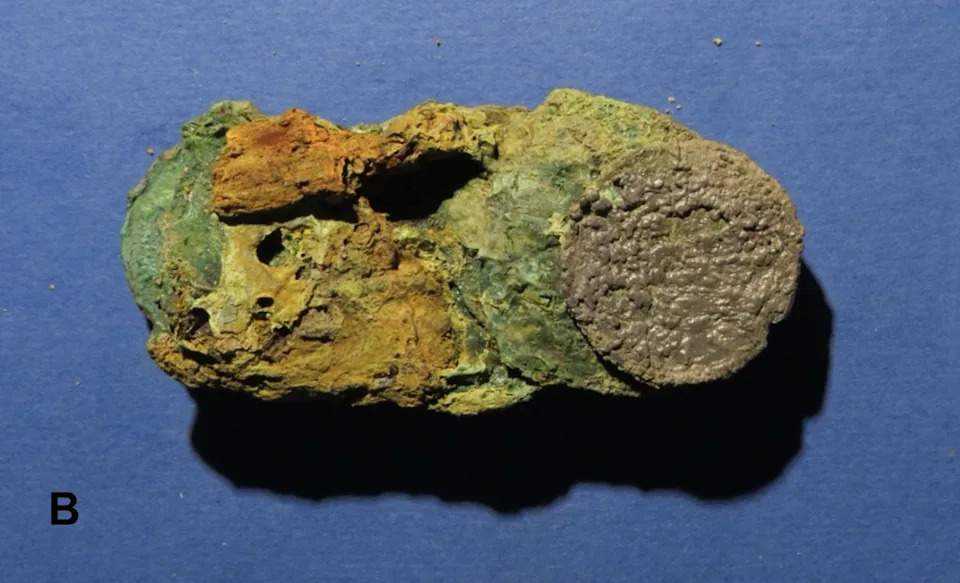
The coins all originate from England circa the 10th century CE. Credit: Cecilia de Leone
Historians point to long-standing ties between Rome and England that date back to the Roman occupation of Britain and were renewed by church diplomacy — notably Pope Gregory I's mission to Anglo-Saxon England in the late 6th century. "The Anglo-Saxons were very devoted to Rome from that point on," said Rory Naismith of the University of Cambridge, who has written on foreigners in early medieval Rome.
"The Anglo-Saxons are there to visit the Pope and tour churches in Rome, but they've still got to feed themselves. So they've got to make things and trade. That's what these finds tell us." — Rory Naismith
The presence of native English coinage in Rome is particularly striking because medieval Roman regulations typically discouraged or prohibited foreign currencies. Coupled with documentary evidence, the discoveries imply unusually close religious and economic connections between England and Rome in this period — so much so that, as Naismith notes, more Anglo-Saxon coins from the era have now been found in Rome than contemporary papal coins.
Credit: Cecilia de Leone
Help us improve.