The article highlights a persistent youth-voting gap: nearly 50 million Americans under 30 will be eligible this November, but past midterms saw only about 23–28% youth turnout versus over 60% for seniors. The author proposes a nonpartisan tradition — "Bring Your Young Adult To Vote Day" on Election Day (Nov. 3 this year) — to encourage parents to model voting and help overcome practical barriers. Practical suggestions include riding to the polls together, offering childcare, assisting with mail ballots, and having timely conversations about participation.
Bring Your Young Adult To Vote Day — How Parents Can Help Close The Youth Voting Gap
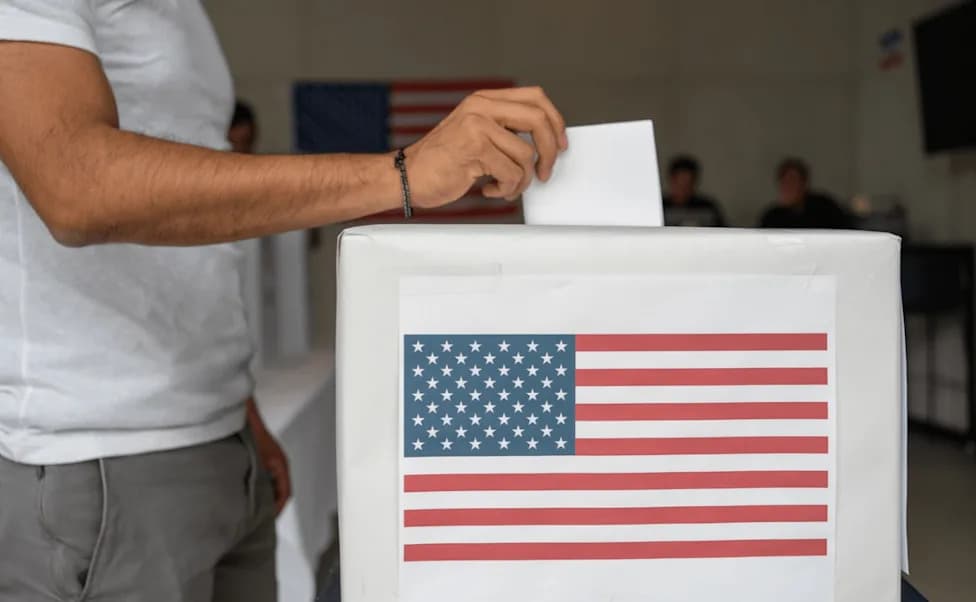
A Parent's Job Is Never Done — Including On Election Day
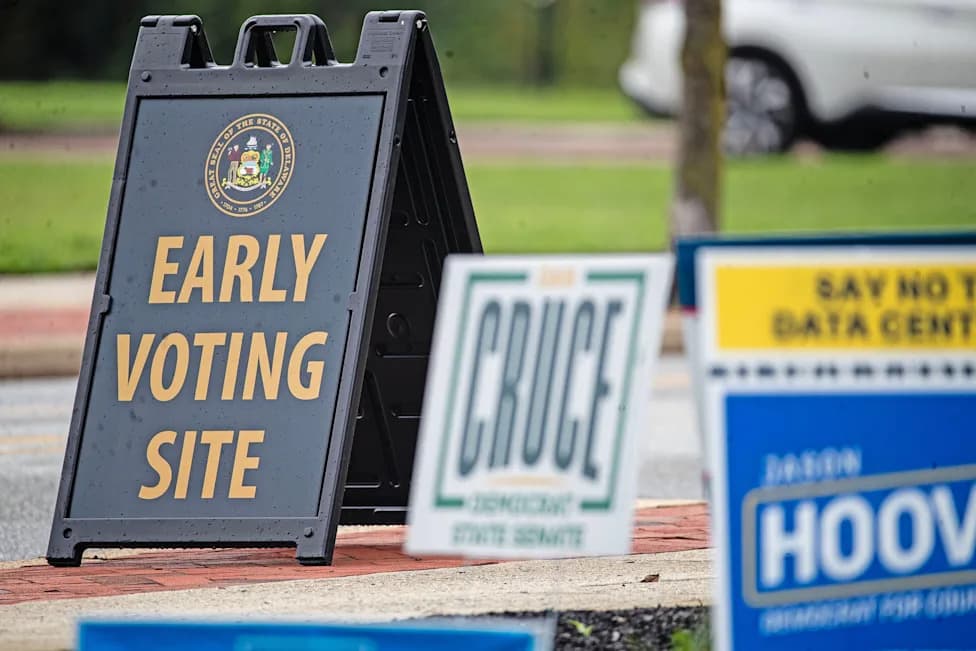
In several states, ballots are already being cast in what could be one of the most consequential midterm elections in generations. The balance of the House — and possibly the Senate — may be decided, and those outcomes will shape our collective future.
Yet a persistent problem remains: a large share of younger adults do not vote. Nearly 50 million Americans under 30 will be eligible this November, but most are likely to stay home.
How Big Is The Gap?
Data from the Center for Information + Research on Civic Learning and Engagement (CIRCLE) at Tufts University shows that roughly 28% of 18- to 29-year-olds voted in the 2018 midterms and about 23% in 2022. By contrast, well over 60% of seniors historically turn out for midterm elections. Those differences matter: some races may be decided by only a few thousand ballots.
Why Young Adults Stay Home
Researchers point to several causes: inflexible work schedules, registration hurdles, uninspiring choices on the ballot, weak civics education, and feelings of cynicism or apathy. Another often-overlooked factor is poor parental role-modelling, mentoring, and encouragement — the quiet ways parents influence civic habits.
A Simple, Nonpartisan Proposal
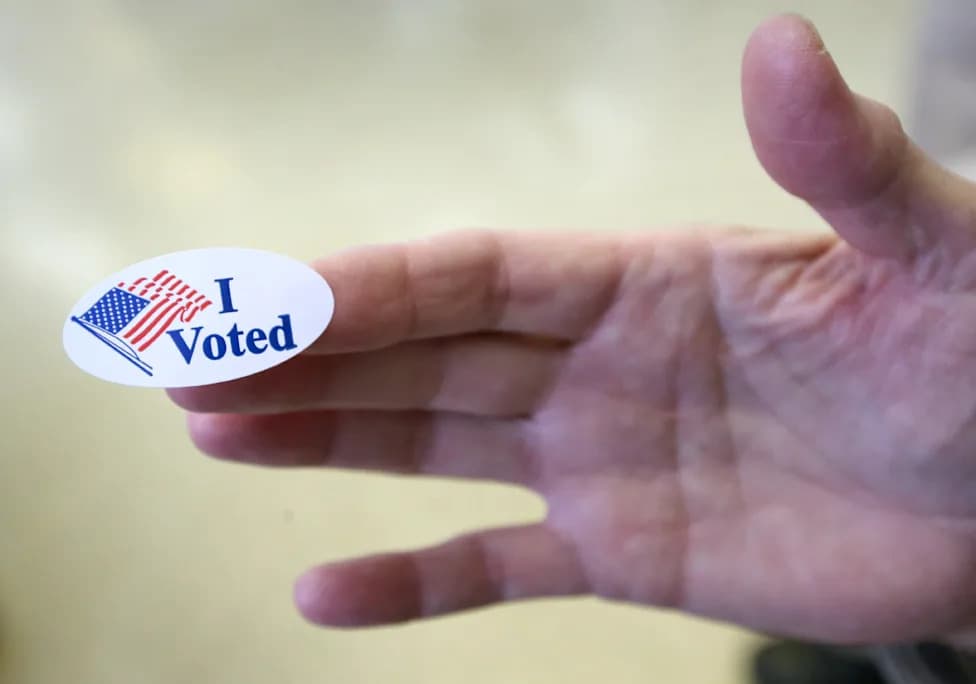
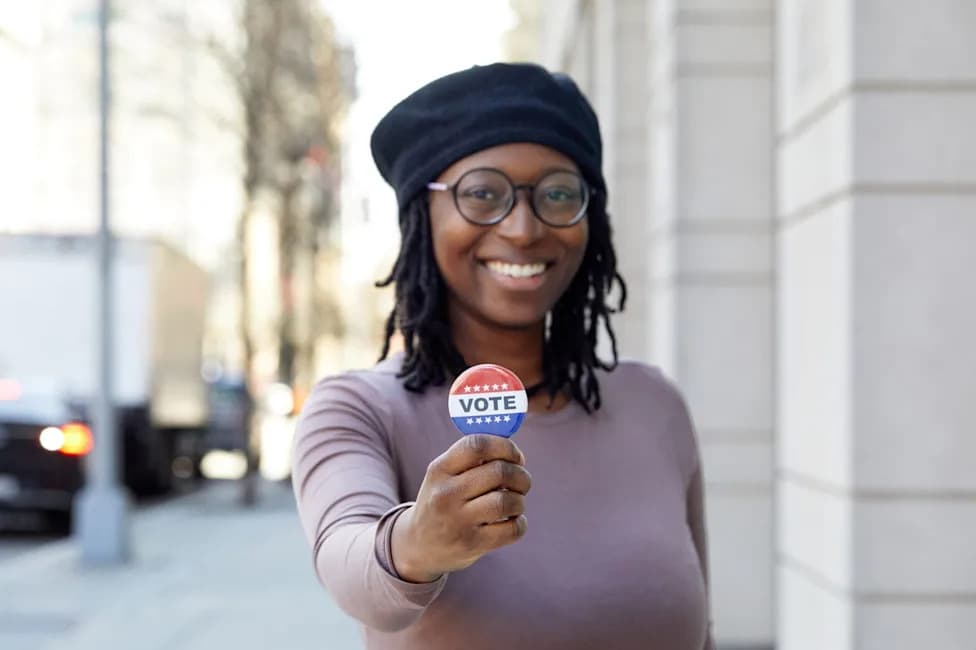
I propose a new family tradition: "Bring Your Young Adult To Vote Day" — observed on the first Tuesday after the first Monday in November every two years. This year that date is November 3. The goal is not to influence anyone's political views, but to normalize voting as a shared civic duty and to open lines of communication between parents and their grown children.
Practical Ways Parents Can Help
Not every parent lives near their adult children, and many ballots are cast by mail. Still, there are practical, nonintrusive ways to encourage participation:
- Plan a trip to the polling place together, and make a small social outing of it (coffee or a quick bite afterward).
- Offer to help with logistics: provide rides, babysitting, or flexible scheduling so a young parent can vote.
- If voting by mail is required, offer to help complete and return a ballot — with respect for privacy and the voter's choice.
- Have a timely, respectful conversation about the election and why participating matters to them.
- Lead by example: vote yourself and tell your children you did.
“Don't worry that children never listen to you; worry that they are always watching you.” — Robert Fulghum
This is a nonpartisan appeal: the objective is participation. When young people vote, their perspectives and priorities are represented in decisions that affect their lives.
“The biggest threat to our democracy is indifference.” — President Barack Obama
“It is not fair to ask of others what you are not willing to do yourself.” — Eleanor Roosevelt
As citizens, voting is our foremost civic duty. As parents, we can encourage and help our adult children fulfill theirs.
About the author: Rob Densen is a father and grandfather and the CEO and founder of a strategic communications consultancy. This piece originally appeared on Katie Couric Media.
Help us improve.