The Missouri Rural Schools Early Literacy Collaborative, led by TNTP and funded locally, placed literacy coaches with 50 kindergarten and first-grade teachers across seven schools in five Phelps County districts. By spring 2025, Rolla kindergartners reading at or above grade level rose from 68% to 97%, and other districts saw similarly large gains. The state is scaling the model with $25 million in state funds and $35 million in federal dollars to deploy coaches to dozens more schools. Teachers say coaching increased confidence and introduced practical, engaging classroom strategies.
Rural Missouri Literacy Coaching Sparks Dramatic K–1 Reading Gains — A Model Heading Statewide
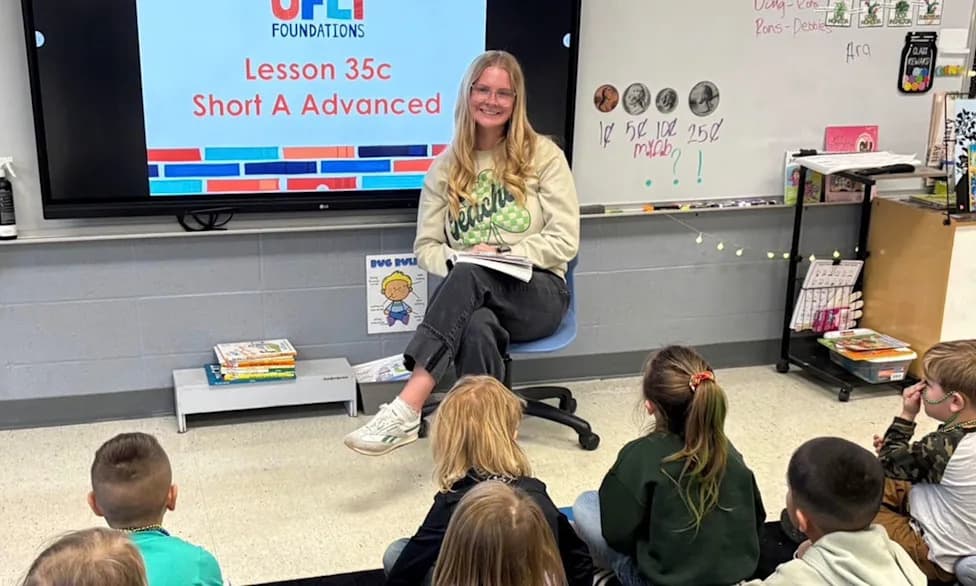
Kindergarten teacher Wittney Swyers remembers doubting district expectations nearly a decade ago when colleagues suggested children leaving kindergarten should be ready to write full sentences in first grade. At Harry S. Truman Elementary in Rolla, Missouri, that conversation revealed a wide gap between state standards and students' real classroom readiness.
Determined to close that gap, Swyers studied the science of reading for several years. In fall 2023 she began using a phonics curriculum from the University of Florida Literacy Institute, but being the only teacher using the program left her uncertain about implementation. The change she wanted arrived the following year.
Coaching Collaborative Brings Hands-On Support
Truman became one of seven schools in the Missouri Rural Schools Early Literacy Collaborative, a donor-funded initiative run by TNTP (formerly The New Teacher Project). The program placed literacy coaches with 50 kindergarten and first-grade teachers across five rural Phelps County districts — Rolla, Newburg, St. James, Phelps R-III and Dent-Phelps R-II — and combined monthly in-person and virtual coaching, classroom observation, follow-up support, and periodic professional development.
"The third year of our partnership with Phelps County looks a lot different than it has the last two years," said Kim Davidson, who manages TNTP's work in Missouri. "The first two years were an infusion of direct coaching; now we are partnering to make sure schools have the skills to sustain the work themselves."
Fast, Measurable Gains
The results were striking. By spring 2025, 97% of Rolla kindergartners were reading at or above grade level, up from 68% in fall 2024. Newburg first graders rose from 30% to 78% reading at or above grade level in the same period; Dent-Phelps first graders climbed from 21% to 82%. TNTP reported that kindergarten and first-grade students overall made gains that more than doubled typical annual growth.
Swyers described the change as "night and day." Parents reported children sounding out words at home and asking how to spell things. Students who had previously resisted writing began composing multiple sentences with enthusiasm. Teachers credited the coaching with increasing their confidence and giving them practical, engaging classroom strategies.
What Coaching Looked Like In Classrooms
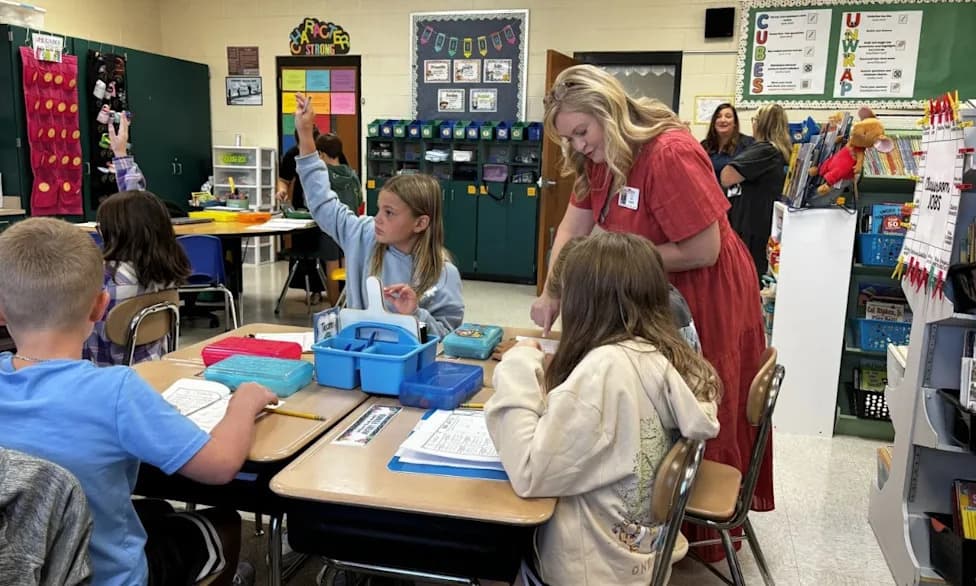
Coaches such as Kelly Martin observed lessons focused on phonics, fluency and comprehension, then debriefed with teachers to suggest concrete refinements. They followed up two weeks after visits, answered questions, and led professional development sessions several times a year. In some schools, coaching also prompted leaders to adopt a consistent, systematic reading curriculum — a change that accelerated progress.
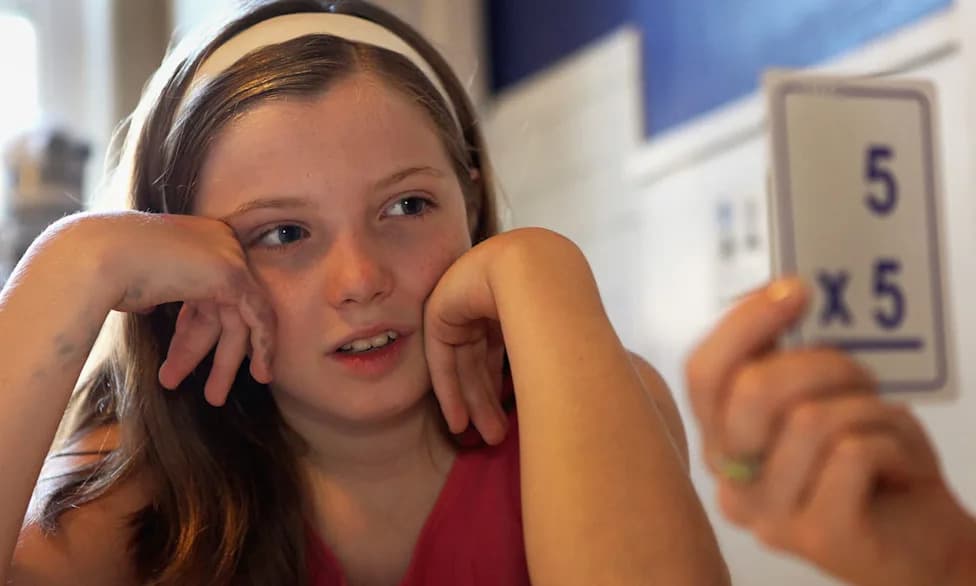
Examples of classroom strategies included daily flashcard routines linking letter sounds to pictures, week-long focus on a single decodable text to reinforce letter-sound relationships, and playful, tactile activities such as tracing letters with small lights or using magnets and chalk to build alphabet knowledge.
Scaling The Model Across Missouri
Seeing the collaborative's success, the Missouri Department of Elementary and Secondary Education is expanding the coaching model as part of its "Read, Lead, Exceed" initiative. With $25 million in state funds and $35 million in federal support, the department launched the Missouri Coaching Model to place 15 coaches into 37 elementary schools this year. In addition, a Literacy Coaching for Success initiative — using other funds — will provide coaching to 27 more schools.
District leaders beyond Phelps County are taking notice. Salem R-80 has used a literacy coach alongside interventionists and plans to explore a TNTP-style model to deepen classroom support, while other nearby districts are adopting elements of the coaching approach.
Teacher Perspectives And Next Steps
Teachers reported practical gains: clearer routines, stronger use of foundational phonics, better data-driven grouping, and activities that made reading and writing feel playful rather than punitive. As the collaborative shifts to sustainability, coaches are preparing teachers and leaders to continue the work independently so improvements endure beyond the direct coaching period.
"I've been taking a piece or adding a piece here and there, and then kind of shifting what I've already done and how I can make it better," Swyers said — a succinct description of the collaborative's goal to change classroom practice for the long term.
Help us improve.