Missouri school districts face sustained enrollment declines that accelerated after the pandemic, forcing closures, consolidations and budget trade-offs. St. Louis Public Schools fell from a 1960s peak of about 115,000 students to under 17,000 by 2026–27, prompting a proposal to close 14 underused schools and save roughly $24 million. Statewide, enrollment dropped from ~892,000 to ~855,000 since 2000 even as spending on staff rose; falling birthrates, slower migration and rising school choice options create long-term headwinds for many districts.
Missouri’s Shrinking Student Rolls Force Districts to Rethink Schools, Budgets and Staffing
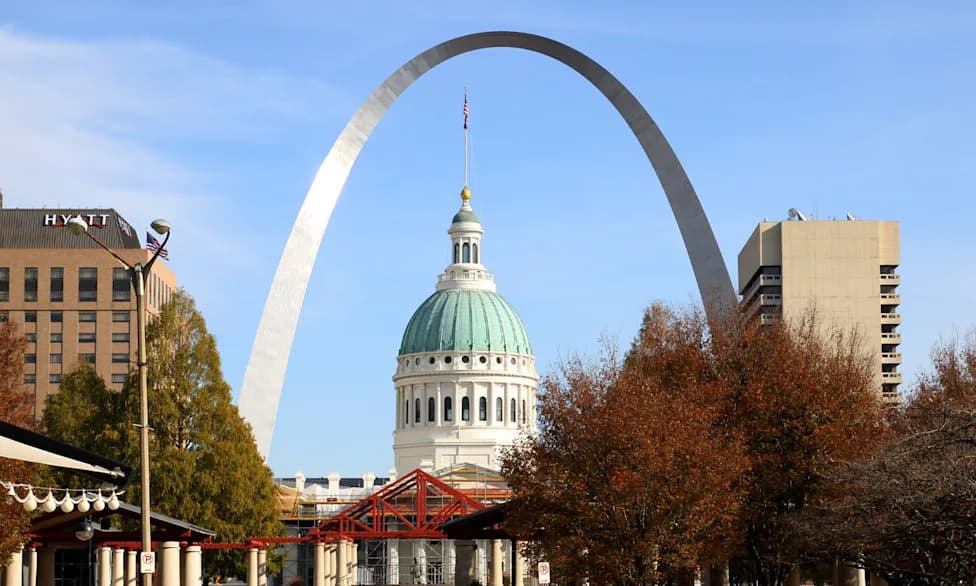
St. Louis Public Schools — once among the nation’s largest districts at about 115,000 students in the late 1960s — opened the 2026–27 school year with enrollment below 17,000 after decades of decline and persistent academic challenges. City and state leaders now face hard choices about how to match facilities, staffing and budgets to far smaller student populations.
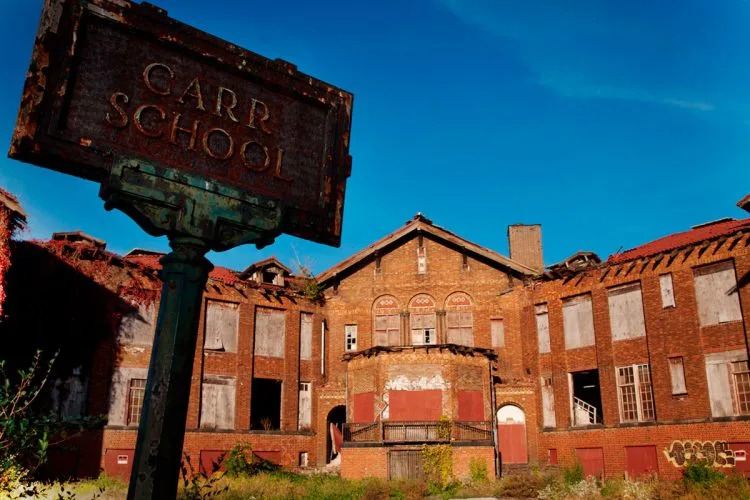
The Carr School, just north of downtown St. Louis, has been vacant for over 40 years. (Getty)
A Proposal to Close Underused Buildings
Last month Superintendent Myra Berry proposed closing 14 under-enrolled schools by next fall, repurposing the buildings and reassigning students to nearby campuses. The plan is projected to save roughly $24 million and reduce long-term logistical and maintenance burdens, but it has reignited painful local debates about community identity, student disruption and the pace of change.

Why Enrollment Is Falling
Local observers cite a mix of long-term and recent drivers: sustained population loss in some neighborhoods, high crime rates and economic decline that have pushed families to leave the city, unstable district leadership, and broader demographic shifts such as falling birthrates and reduced migration to the Midwest.
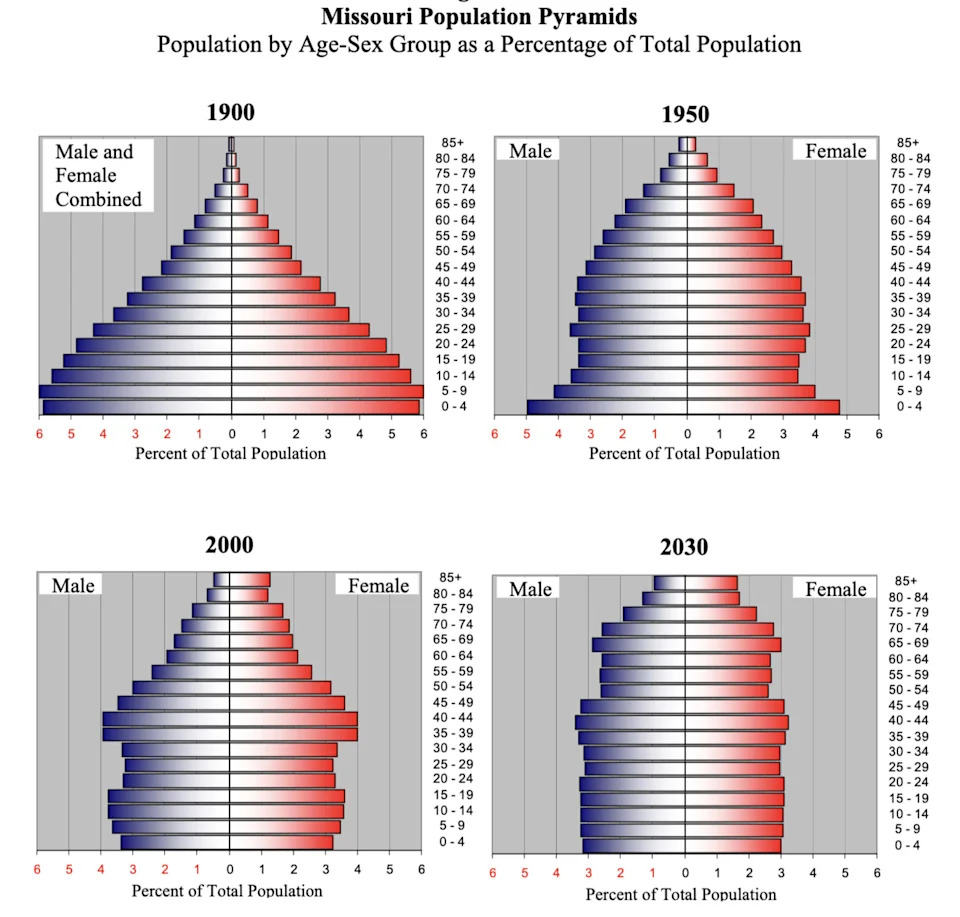
Source: Missouri Office of Administration
Statewide Patterns, Local Variations
Missouri’s total K–12 enrollment has declined since 2000 — from roughly 892,000 to about 855,000, a drop of roughly 4 percent — and the trend accelerated after the COVID-19 pandemic. Yet the picture varies by community: urban public systems (excluding charters) have lost nearly one-quarter of students, rural districts around one-tenth, and suburban districts have seen modest growth (~5 percent).
At the same time, staffing patterns have not tracked enrollment declines. A report from the Show-Me Institute found teacher employment rose 12.8 percent and administrative employment rose about 34.9 percent statewide since 2000. In St. Louis, where enrollment plunged roughly 63.4 percent, teacher staffing fell by 50.5 percent — a smaller decline than student numbers.

Local Stories: Pershing, Parkway and Rockwood
In Springfield, Pershing Elementary was closed after a demographic study forecasted continuing declines; the local PTA tried to save the school but the board voted to dissolve it. Parent Brittany Rust described a prolonged wind-down that led to morale problems, thin classes and reliance on temporary teachers — experiences that ultimately drove some families to withdraw their children from public schools.
Parkway Public Schools in St. Louis County has seen enrollment fall about 20 percent since 2000. Superintendent Melissa Schneider cites aging housing stock, an older population and limited new development as obstacles to attracting young families.

Rockwood School District, which once grew rapidly, has lost roughly 10 percent of its students in the last decade. Superintendent Curtis Cain said natural attrition has allowed the district to reduce costs without major layoffs so far, but each retirement prompts debate about whether to refill positions and how to preserve program quality.
Capital Spending and the Tension of Timing
Some districts spend on building repairs even as they consider closures. St. Louis invested about $117 million in facility upgrades over four years, including HVAC and lead abatement; more than $24 million of that went to schools now listed for possible closure. Those investments can preserve resale or reuse value, but they underscore the difficulty of aligning long-term capital plans with fast-changing demographics.
School Choice, Homeschooling and New Models
Charter schools now enroll nearly one-quarter of public students in Kansas City and St. Louis, and state lawmakers have expanded charter access elsewhere. Homeschooling, microschools and private alternatives have also grown — a shift that further strains enrollment at some traditional public schools.
Demographic Headwinds and Fiscal Implications
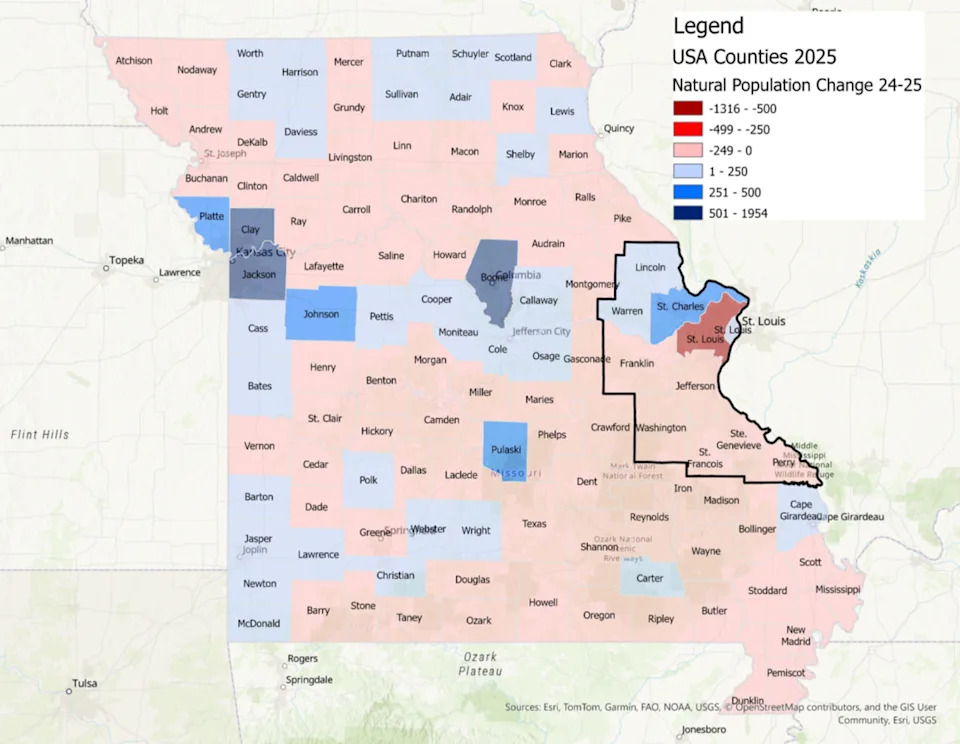
Missouri was one of 20 states where deaths outnumbered births between 2020 and 2023. Demographers estimate roughly 140,000 fewer children have entered the state’s education pipeline in the last decade compared with earlier projections. The state relies heavily on local property tax revenue for K–12 funding (only about 28.6 percent of school funding came from the state in 2022–23 vs. a national average of 45.1 percent). That reliance means aging populations and property tax freezes for seniors can quickly translate into revenue shortfalls and painful local trade-offs.
Cory Koedel, University of Missouri: "When students go down, teachers always go down by less. When students go up, teachers go up by more."
What Leaders Are Considering
District leaders are weighing a mix of responses: targeted school closures and consolidations, strategic repurposing or sale of buildings, hiring freezes and greater reliance on natural attrition, and renewed emphasis on district efficiency and program quality. Many experts argue for proactive, transparent planning to reduce the disruptive effects on students and communities.
As Ness Sandoval, a demographer at Saint Louis University, put it: "Communities will age. Schools will close or merge. The elderly population will start to consume more resources." For many Missouri communities, the question is not whether change will come, but how to manage it in ways that protect students and preserve quality education.
Sources: PRiME Center, Show-Me Institute, Missouri Office of Administration, interviews with district leaders and local parents.
Help us improve.