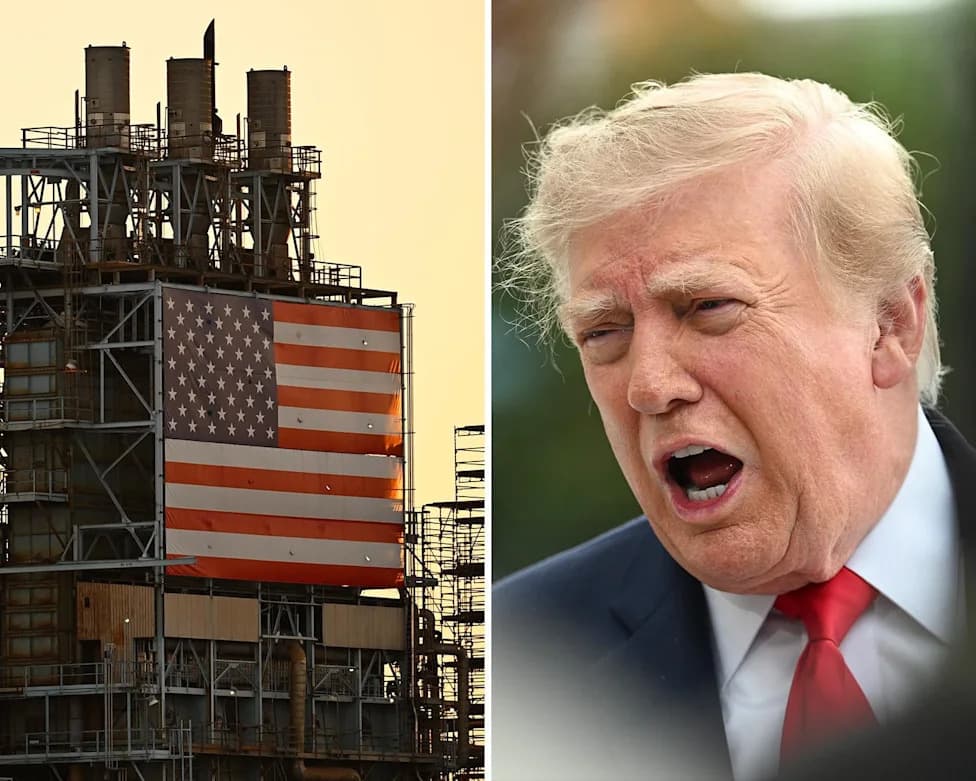
India's foreign minister S. Jaishankar warns a record-strong El Niño, combined with conflicts in Ukraine and the Middle East, could trigger a "major food crisis" in the coming months by disrupting energy, grain and fertiliser supplies. Rising oil and diesel prices and Black Sea export interruptions are already tightening markets. Climate researchers warn the El Niño may raise land temperatures by about 1.2°C and cause nearly 500,000 excess heat-related deaths by February, with the worst impacts in the Global South.
India Warns Of Looming Global Food Crisis As El Niño Meets War-Driven Supply Shocks
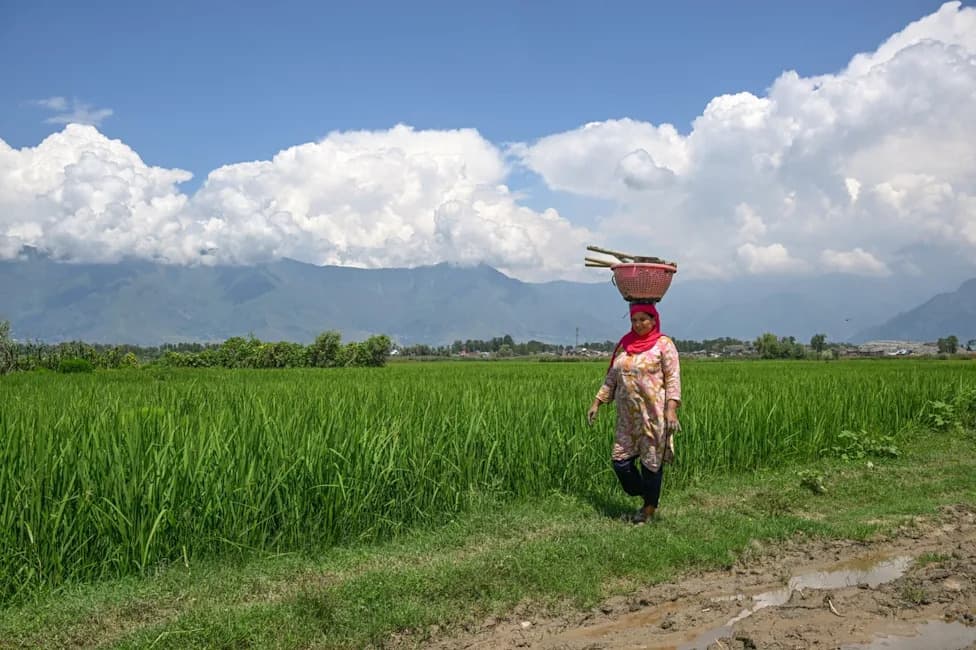
India warns of major ‘food crisis’ in coming months amid El Nino and global conflicts
India's foreign minister, S. Jaishankar, has warned the world could face a "major food crisis" in the coming months as the effects of a record-strong El Niño combine with conflicts in Ukraine and the Middle East to squeeze supplies and push prices higher.
Speaking at an Asia Society event in New York, Jaishankar said the twin conflicts have had "a devastating impact" on many economies in the Global South, creating simultaneous pressure on energy, food, fertiliser and finance.
"If you have energy as a big crunch and then food and fertilisers on top of it, and finance... the net result of it has been really very, very stressful," he said, noting that money often flows to perceived safe havens during conflicts, further limiting capital for vulnerable countries.
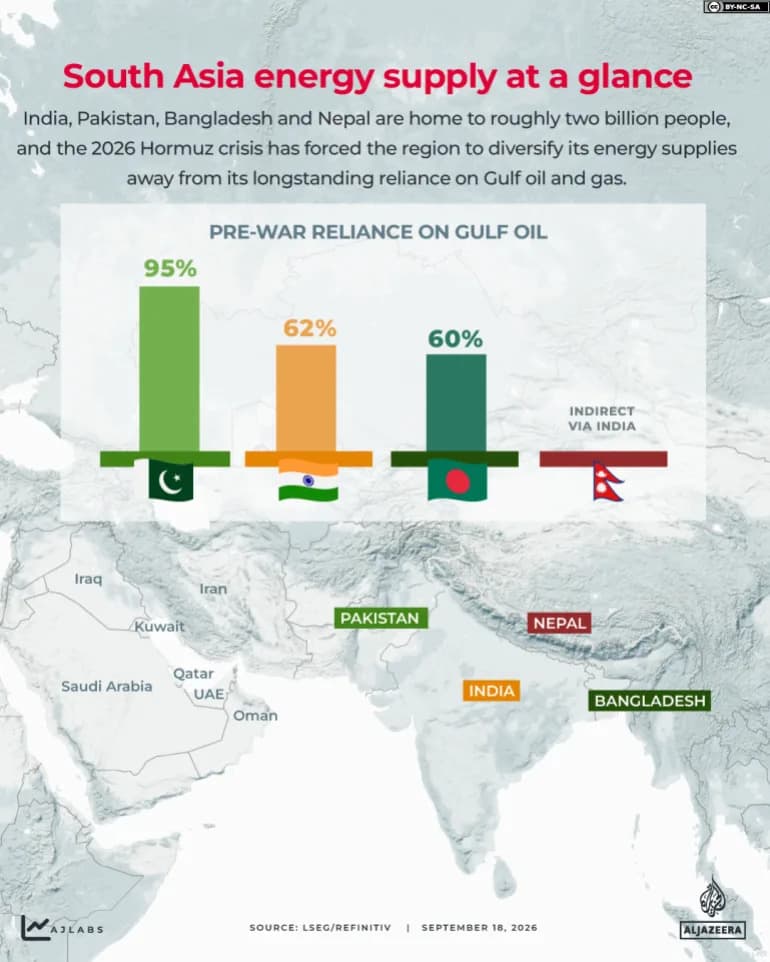
Jaishankar added that already tight global energy markets are being made worse by countries "playing politics" with oil supplies, a dynamic that is driving prices up at a time when markets should be stabilising. "Part of it is actually the security of oil supplies and part of it is the politics of oil supplies, and they are feeding into each other and creating an aggravated crisis," he said.
Oil benchmarks have jumped sharply: Brent crude was set for roughly a 14% monthly rise after US President Donald Trump said he would not relax sanctions on Iran and following disruptions to Saudi Arabia's East–West pipeline, which was briefly taken offline after a drone attack Riyadh blamed on an Iran-backed militia in Iraq. Authorities later reported the pipeline had returned to near-full operations.
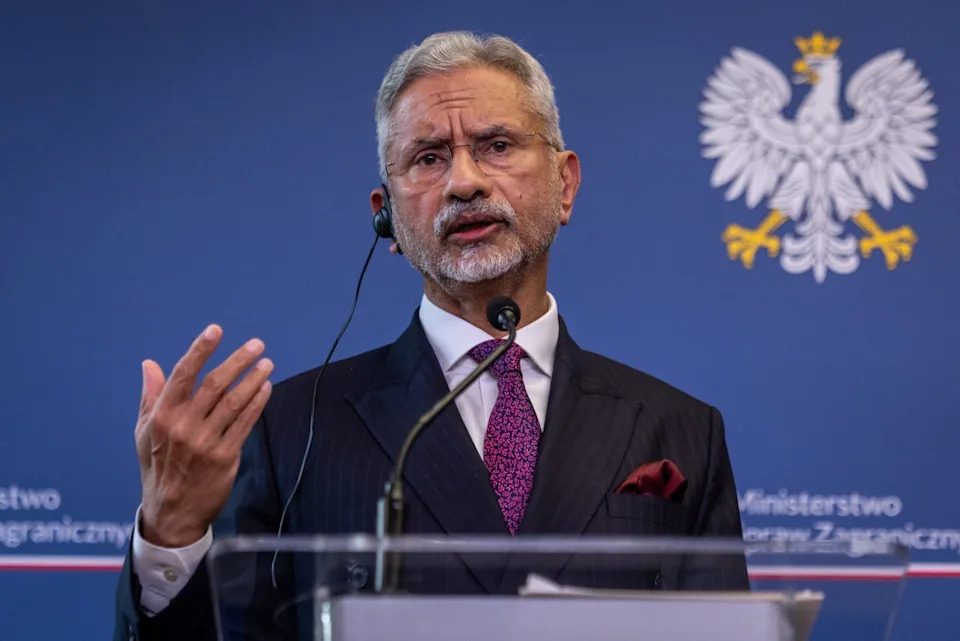
File: India's Minister of Foreign Affairs Subrahmanyam Jaishankar takes part in a joint press conference with Poland's Minister of Foreign Affairs after their meeting at the ministry building in Warsaw (AFP/Getty)
Separately, attacks on Russian refineries and a Russian ban on diesel exports have pushed European diesel futures to record highs and raised US retail diesel prices. Combined diesel exports from Russia and Gulf producers have fallen significantly from last year, further tightening fuel supplies.
On food supplies, Jaishankar highlighted export disruptions from major grain suppliers, notably in the Black Sea region where Russia's invasion of Ukraine has repeatedly interrupted shipments from a critical wheat- and grain-producing area. He also warned that fertiliser shortages are mounting because key producers are based in the Middle East and Russia—regions affected by conflict and sanctions.
El Niño And Climate Risks
Jaishankar said the risks are compounded by a powerful El Niño event. "On top of it, we are looking at a super El Niño, so there is going to be a major food crisis probably in the coming months," he warned.
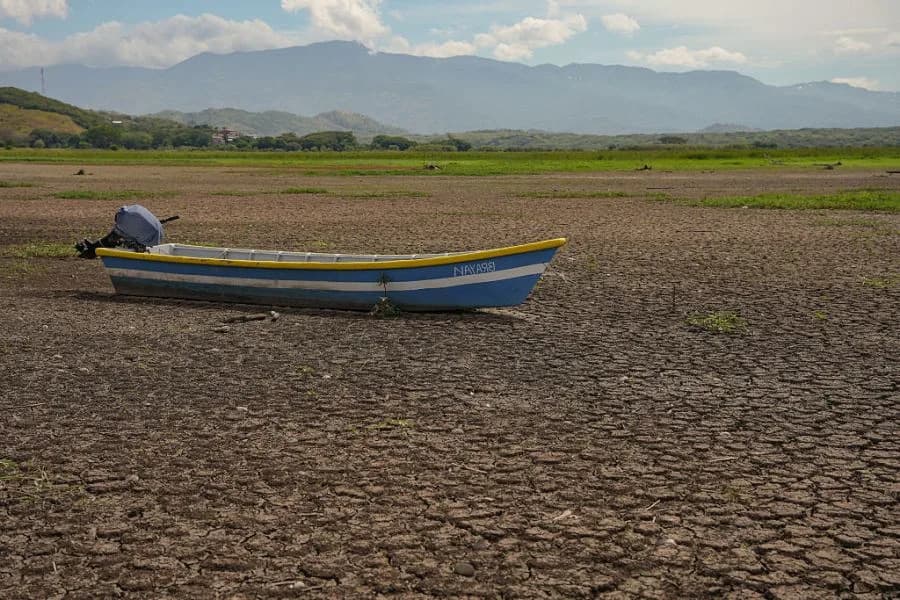
El Niño is a natural climate pattern that warms parts of the Pacific Ocean and disrupts rainfall and crop production worldwide. This year's event, amplified by human-driven global warming, is expected to be stronger than many past events and is already breaking records.
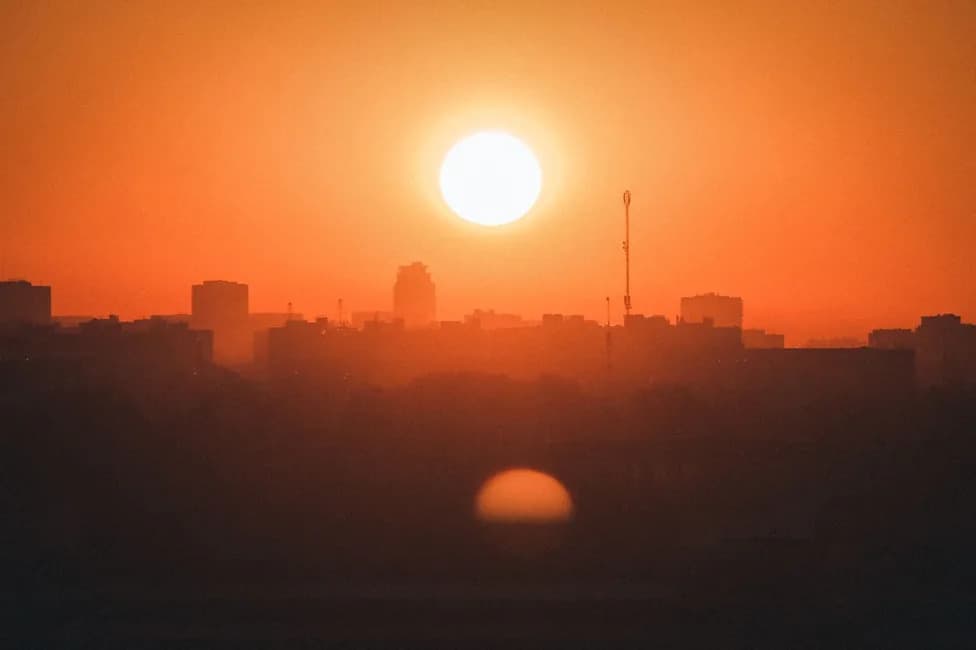
The Climate Impact Lab at the University of Chicago has warned the current El Niño could cause almost half a million additional heat-related deaths worldwide by February, with the heaviest impacts falling on countries in the Global South. The group also estimates global land temperatures during the event could be about 1.2°C above normal.
Without naming specific governments, Jaishankar urged policymakers to consider the international consequences of their decisions: "They have a responsibility to apply themselves to the situation of other countries as well and try to understand what the consequences of their decision will have on the rest of the world."
Why This Matters
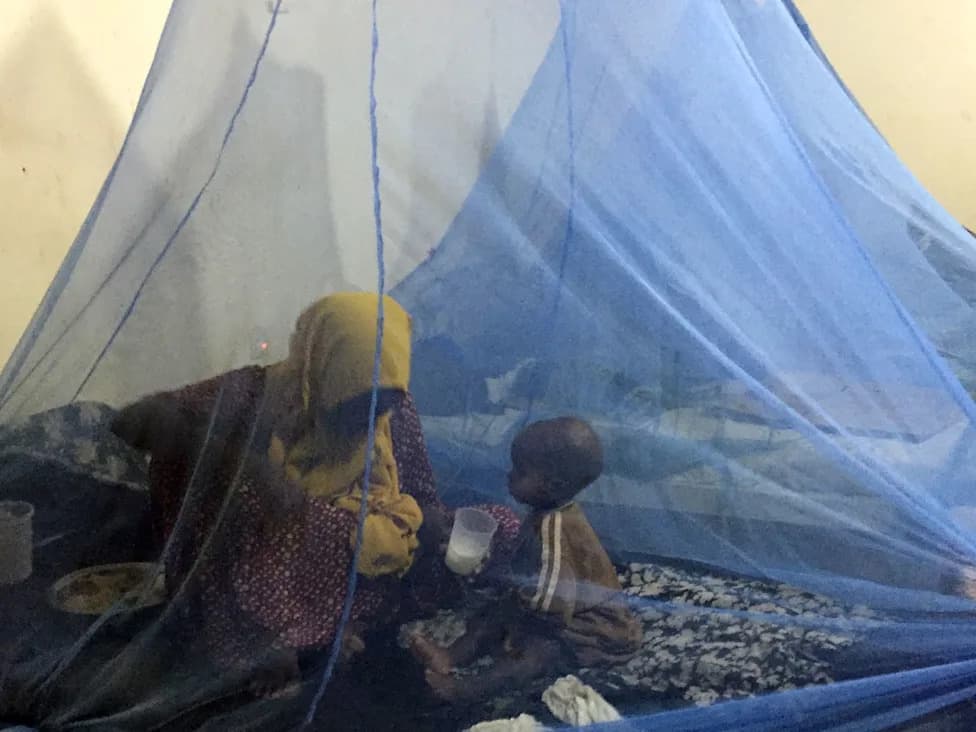
The convergence of geopolitical conflict, energy market disruptions, fertilizer shortages and an unusually strong El Niño increases the risk of sharp food price rises and supply shortfalls—risks that are likely to hit the Global South hardest. Policymakers and international agencies will need to coordinate responses to protect vulnerable populations and stabilise markets.
Help us improve.