The EU's Copernicus CAMS report finds that heatwaves, wildfires and human emissions exposed 34% of the global population to "extremely poor" ground-level ozone between Jan 1 and Sep 15, 2026. Asia was worst affected (53% "extremely poor"), while North America and Europe also saw widespread poor ozone levels. WHO's eight-hour guideline for ozone is 100 µg/m³, and ozone is linked to about 60,000 premature deaths annually in Europe. CAMS warns that El Niño and climate-driven extremes could further worsen ozone formation.
One-Third of World's Population Exposed to Dangerous Ozone Levels, EU Monitor Warns
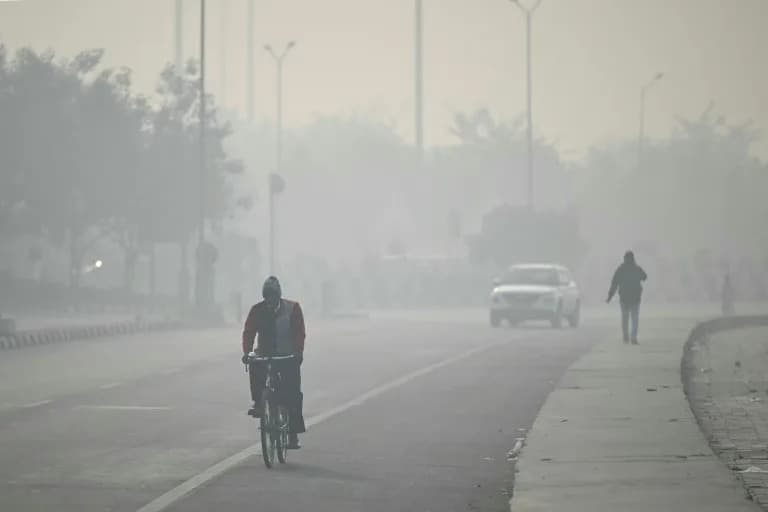
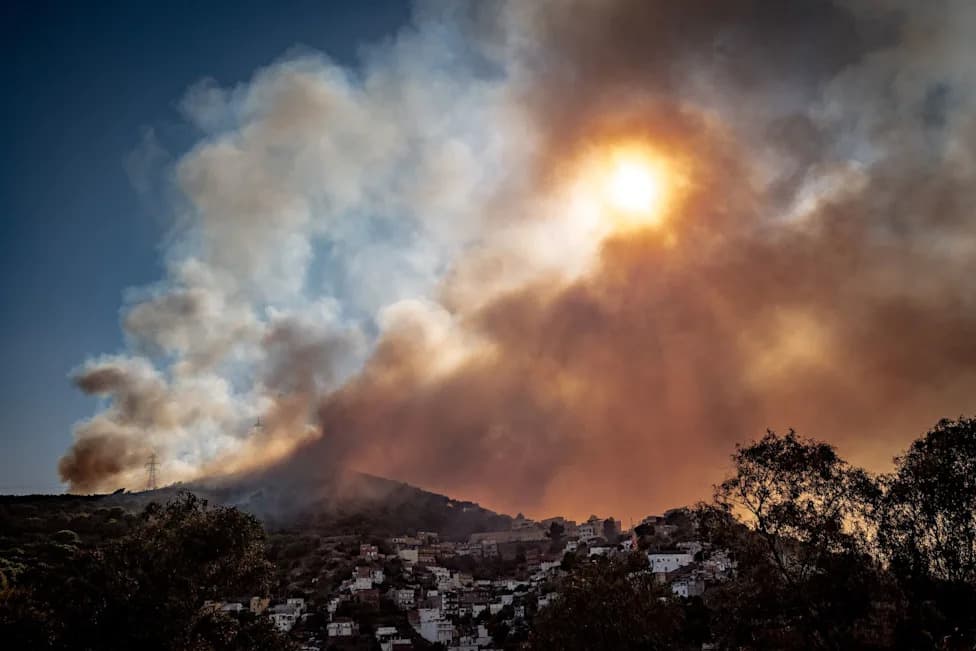
This year's ozone pollution was fuelled in part by record-breaking heatwaves and wildfires (Sajjad HUSSAIN)
Heatwaves, widespread wildfires and human-caused emissions combined to expose roughly one third of the world's population to extremely high ground-level ozone concentrations in early 2026, the European Union's Copernicus Climate Atmosphere Monitoring Service (CAMS) reported.
The CAMS analysis covers the period from January 1 to September 15, 2026, and highlights how climate-driven extremes — especially record heat and large fires — are amplifying ozone formation. Ground-level ozone forms when heat and sunlight react with emissions from vehicles, industry, wildfires and agricultural burning. Ozone can damage lung tissue, worsen breathing problems, trigger asthma attacks and contribute to other serious health issues.
Key Findings
CAMS found that 34% of the global population experienced "extremely poor" ozone air quality during the reporting period, with concentrations well above the World Health Organization's eight-hour guideline of 100 micrograms per cubic metre (100 µg/m³). Another 17% were exposed to "very poor" ozone levels, while about 5% experienced "good" ozone conditions.
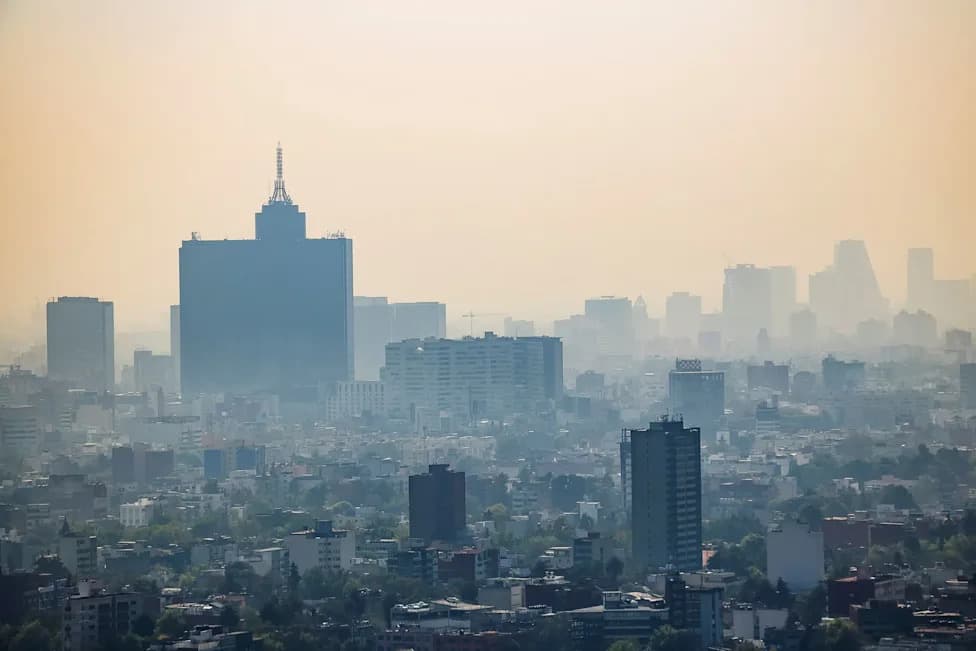
Asia was hardest hit: 53% of its population breathed air classified as "extremely poor" for ozone and a further 22% were in the "very poor" category. Several large cities — including New Delhi, Dhaka, Chongqing and Lahore — registered "extremely poor" ozone levels. In North America, roughly two thirds of people faced "poor" or worse ozone air quality, while 45% of Europeans were exposed to "poor" or "very poor" ozone concentrations.
"Air pollution does not stop at borders. It can travel thousands of kilometres, crossing continents and oceans and affecting air quality far from its source,"
— Laurence Rouil, CAMS Director
Drivers And Consequences
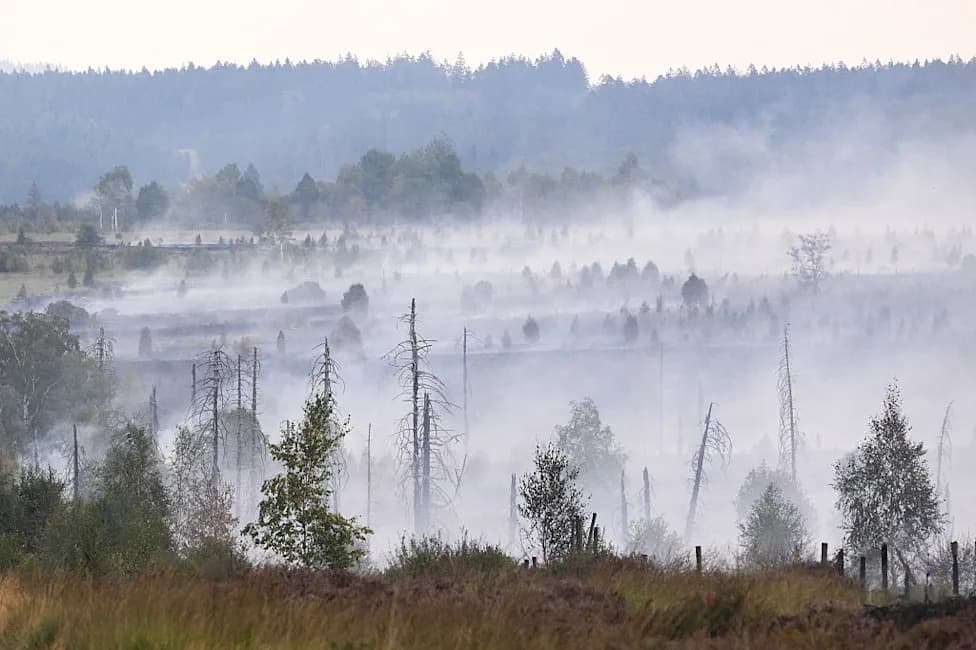
Record heatwaves and large wildfires across Europe, North America and Indonesia contributed substantially to this year's ozone surge. The analysis also notes the role of the developing El Niño pattern — which began in June and is expected to peak later in the year — in raising fire risk across parts of Southeast Asia. CAMS combines satellite observations and computer models to map pollutant distributions and smoke plumes, demonstrating how emissions and smoke can travel long distances and affect air quality far from their sources.
Ozone remains a stubborn problem even where other pollutants have declined: EU regulation has reduced many emissions, but ozone formation is increasingly favoured by warmer, sunnier conditions. Ian Marnane of the European Environment Agency told reporters that ozone pollution is linked to about 60,000 premature deaths annually in Europe.
Regional Notes
Africa's air quality is influenced by smoke from forest fires, crop burning and cooking fuels; Saharan dust can also travel to Europe. Eight percent of Africa's population endured "extremely poor" ozone air this year, while 19% experienced "very poor" or "poor" conditions. In South America, Sao Paulo saw very high ozone and Rio de Janeiro extremely elevated levels, though 81% of the continent experienced "good" or "fair" ozone conditions. Oceania was the most favourable region: about 66% of people there had "good" ozone levels and 34% were rated "fair".
Implications: The report underscores the growing intersection of climate change and air quality. Warmer temperatures and more frequent extreme-weather events can increase ozone formation, undermining gains from emissions controls and posing mounting public-health risks. Policymakers will need coordinated emissions reductions, land-management strategies and early-warning systems to protect vulnerable populations.
Help us improve.