The Copernicus Atmosphere Monitoring Service reports that nearly 40% of the world’s population has been exposed to dangerous ground-level ozone in 2026, based on data through the first eight months of the year. Asia is the most affected region, followed by Europe and North America; Oceania reports uniformly good or fair ozone levels. CAMS attributes elevated ozone to a mix of extreme heat, emissions from industry and transport, and wildfire smoke that can travel thousands of miles. The report warns that ozone harms human health, crops and ecosystems and calls for continued emissions reductions and wildfire management.
Nearly 40% of World Exposed to Dangerous Ground-Level Ozone in 2026 — CAMS Report

Nearly 40% of global population exposed to dangerous ozone pollution in 2026: Report
The Copernicus Atmosphere Monitoring Service (CAMS) warns that nearly 40% of the global population has been exposed to hazardous levels of ground-level ozone so far in 2026. CAMS’ new Atmosphere Watch assessment, which combines satellite measurements, ground-based observations and advanced atmospheric modelling, covers data through the first eight months of 2026 and shows elevated ozone across much of the Northern Hemisphere.
Key Findings
Asia has experienced the greatest ozone burden year to date, followed by Europe and North America. By contrast, Oceania (including Australia and New Zealand) reported uniformly low ozone exposure, with CAMS describing 100% of its population as experiencing "good" or "fair" ozone levels.
Why Ozone Levels Are Rising
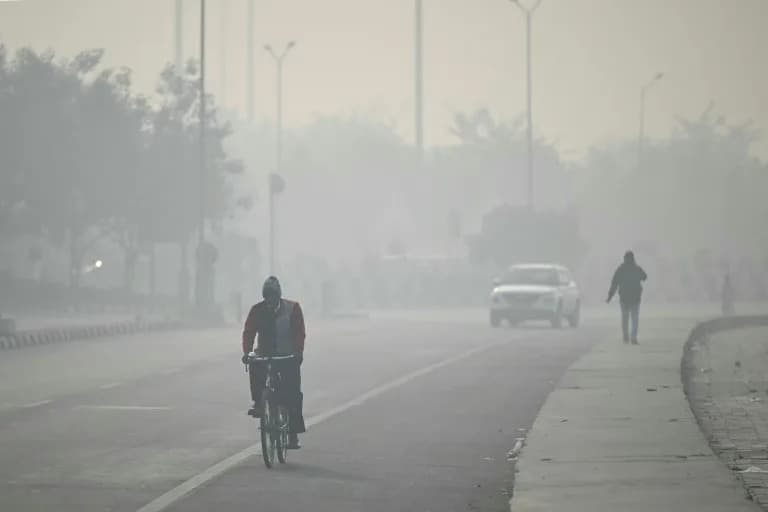
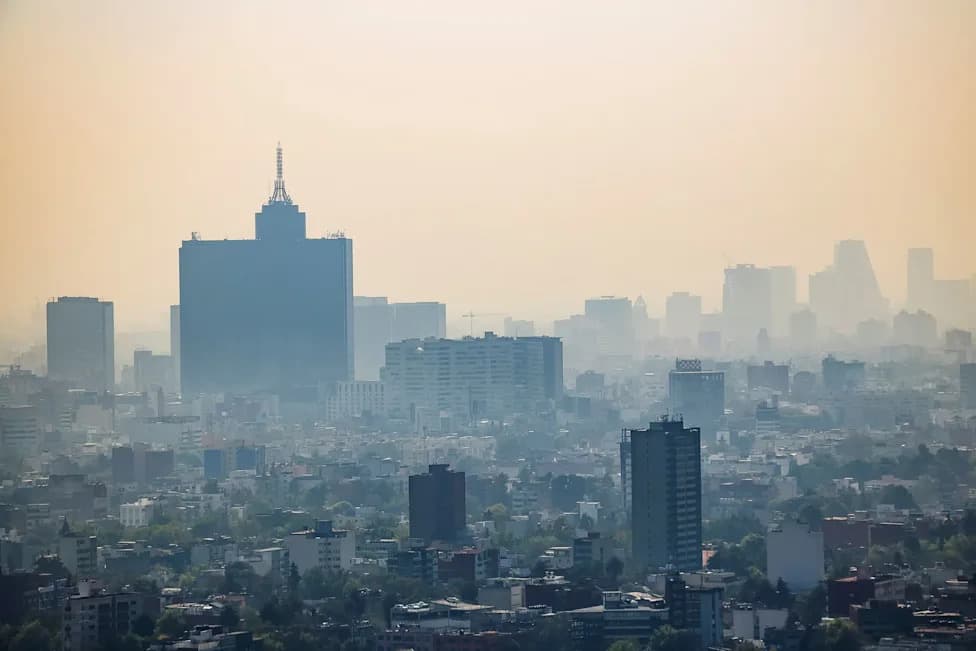
Ground-level ozone forms when precursor pollutants (such as nitrogen oxides and volatile organic compounds) react in sunlight and high temperatures. CAMS highlights a combination of factors driving current ozone patterns: widespread extreme heat, ongoing anthropogenic emissions from industry, transport and urban expansion, and emissions from wildfires. These factors both create and prolong unhealthy ozone episodes, and climate change can amplify the problem by increasing the frequency and intensity of heat that accelerates ozone formation.

Constantine Johnny/Getty Images - PHOTO: 3D Render Of Planet Earth Focusing On Europe
“Ozone pollution is a stark reminder of how interconnected our atmosphere, climate, health, and livelihoods really are, with pollution and our changing climate impacting the chemistry of the air we breathe, determining the health of our ecosystems, and even governing our ability to grow food,” said Laurence Rouil, Director of CAMS.
Health, Ecosystem and Agricultural Impacts
Ground-level ozone damages human respiratory health, reduces crop yields and harms ecosystems. In the United States, CAMS and the American Lung Association note that ozone exposure this year is higher than the past five years, with more than four in ten Americans living in areas with unhealthy ozone levels.
Long-Range Transport and Wildfire Smoke
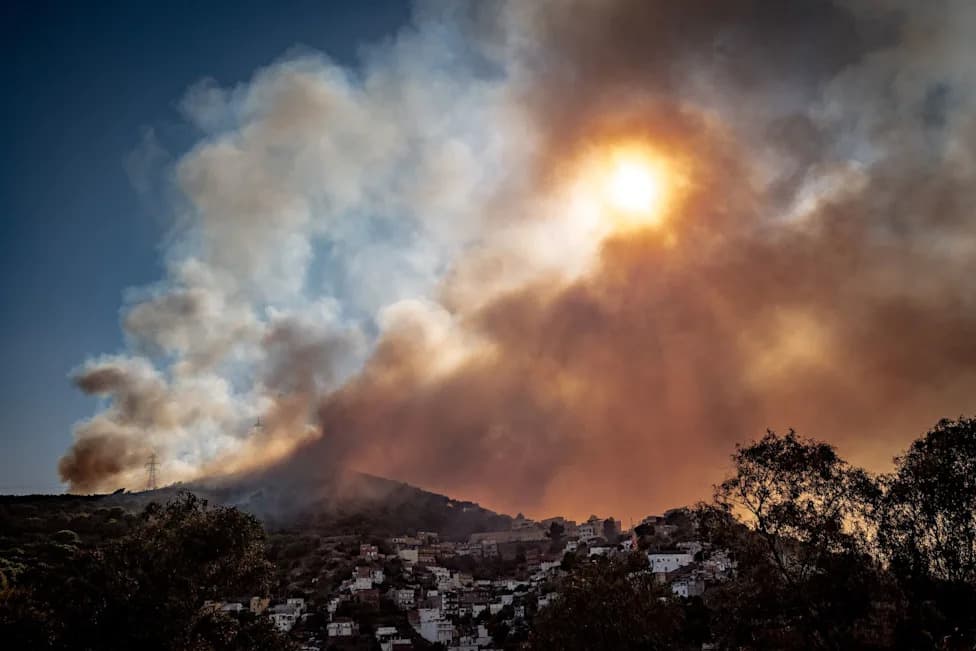
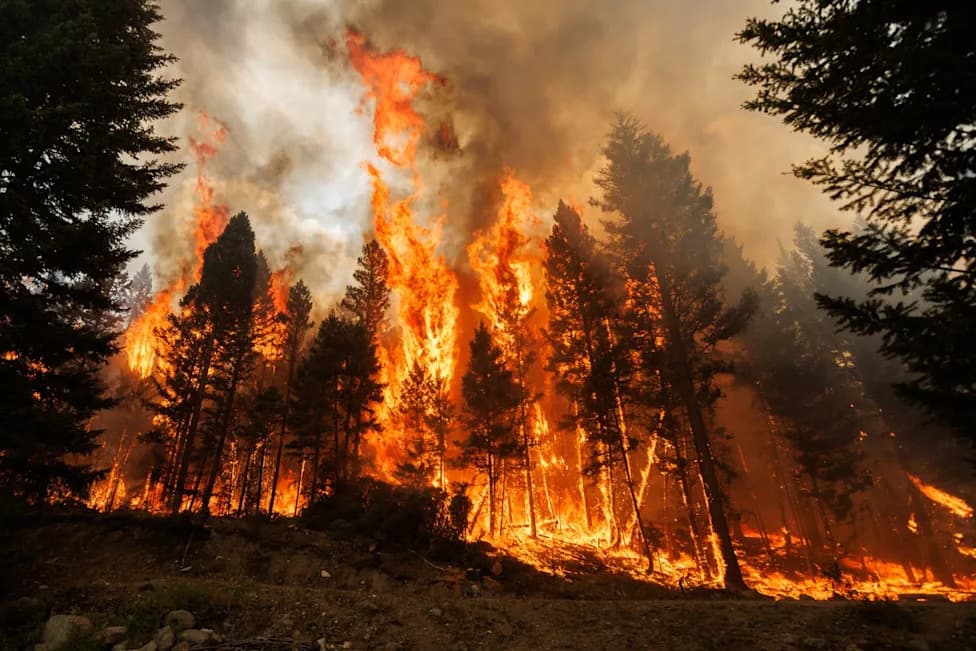
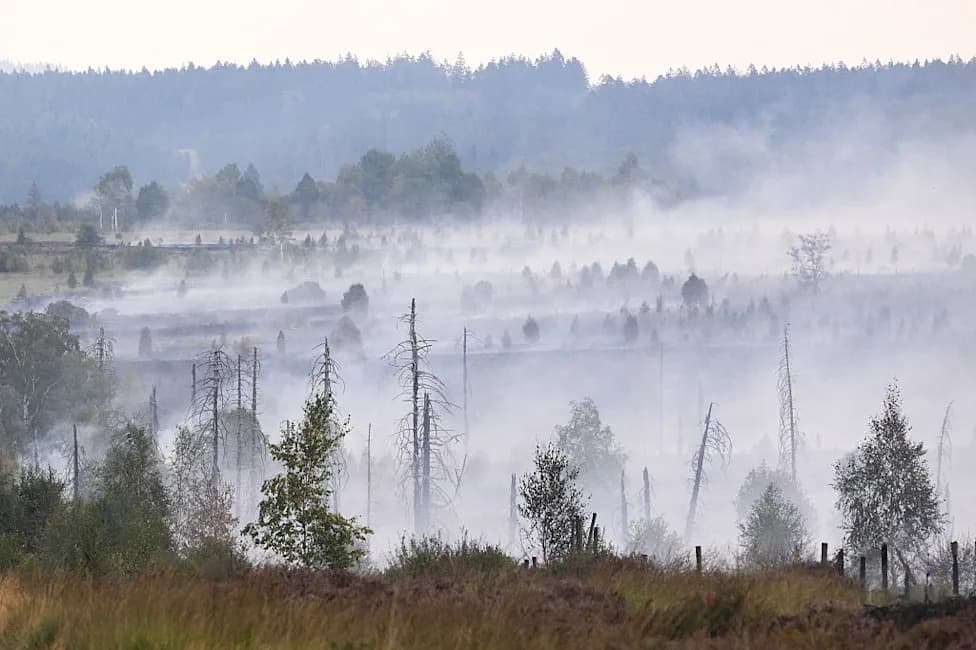
The report underscores how pollutants travel long distances: wildfire smoke, dust and other emissions can cross thousands of miles and degrade air quality far from their sources. Although global emissions from biomass burning have fallen over recent decades, exposure to wildfire smoke has increased recently because some intense fires have burned closer to populated areas.
Global Context
Wildfires and other biomass burning release fine particulate matter, ozone precursors and greenhouse gases. The World Health Organization estimates that roughly 99% of the world’s population lives in locations where atmospheric pollution exceeds WHO air quality guidelines, underscoring the widespread nature of the problem.
What This Means
- Public health: Regions with elevated ozone may see more respiratory illness, hospital visits and reduced quality of life for vulnerable groups.
- Agriculture and ecosystems: Ozone can reduce crop yields and stress natural ecosystems, with economic and biodiversity consequences.
- Policy implications: Reducing precursor emissions, managing wildfire risk, and addressing climate change are all important to curb ozone formation and exposure.
While emissions controls have reduced some pollution over recent decades, CAMS finds that the combined effects of heatwaves, wildfire emissions and persistent ozone chemistry are slowing progress in parts of the world. Continued monitoring and coordinated mitigation are needed to protect health, food security and ecosystems.
Help us improve.