The family of a Belgian man says he sent about £8,500 in Carrefour supermarket vouchers to an online scammer impersonating Céline Dion after a three‑year online relationship. His daughter says he shared personal family details and was prepared to travel on a phantom private jet. Antwerp's cybercrime prosecutor warns that romance‑scam files arrive daily, and many victims do not report losses out of shame. Experts say AI‑generated images and doctored photos make celebrity impersonation scams increasingly convincing.
Belgian Man Loses £8,500 in Carrefour Vouchers to Fake Céline Dion After Three‑Year Online Romance
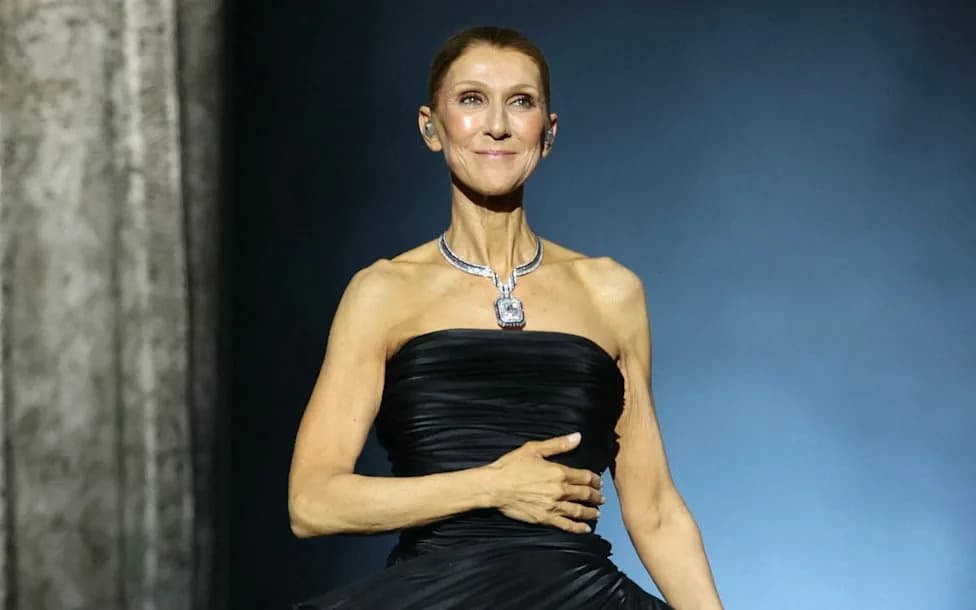
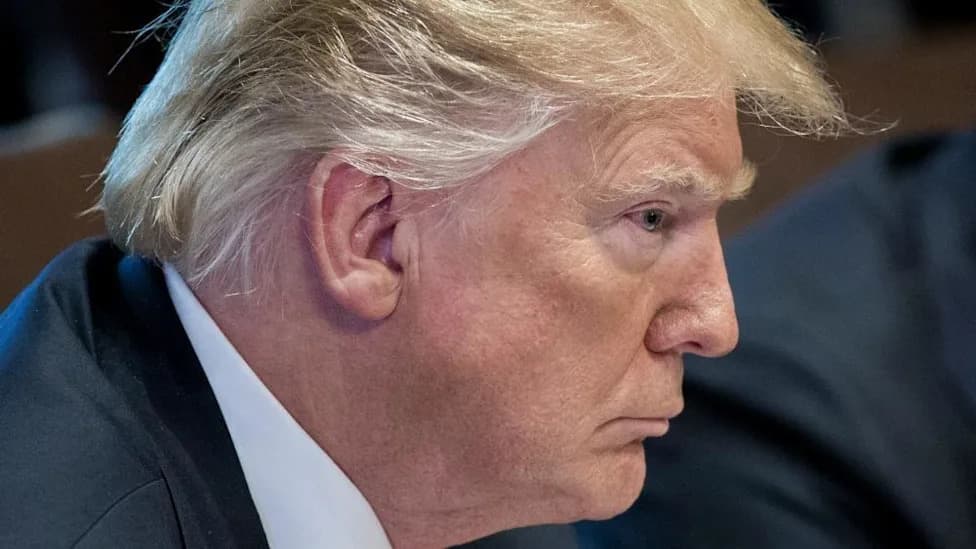
The Belgian man thinks he and Celine Dion are a couple - AFP/Thomas Samson
A Belgian man has been tricked into sending the equivalent of £8,500 in supermarket vouchers to an online scammer impersonating the singer Céline Dion and appears to believe they are in a genuine romantic relationship.
His daughter, Karla, told Belgian consumer radio programme WinWin that the impersonator persuaded her father the star's finances were controlled by managers who were routinely short of cash and needed help. The man bought €200 and €300 Carrefour vouchers (roughly £170 and £260) and sent the voucher codes to the scammer through chat messages. The family says the total now stands at about £8,500 in vouchers.
"On New Year's Eve 2025, my father spent a whole day at the front door with his suitcases," Karla said. "He was supposed to be taken to the airport by taxi. There, a private jet from Céline Dion would then take him to the US. He had paid a lot of money for that himself. Of course, no one showed up."
Karla said she is especially alarmed because her father has shared personal information about the family with the scammers, including photos, home addresses and stories about grandchildren. "What he does with his money is his business. But we were able to intercept messages showing that he is sharing everything with the scammers," she said. "It makes us feel unsafe. We've tried everything to stop it, but nothing works."
The story follows Céline Dion's first comeback show after a six‑year battle with Stiff Person Syndrome, a rare neurological condition. The timing may have made the impersonation seem more plausible to the victim.
Catherine Van De Heyning, the public prosecutor at Antwerp's cybercrime unit, said new romance‑scam files arrive on her desk every day. "Only the worst cases, in which the victim has lost their savings and sometimes assets, end up with me," she told WinWin. "Many cases go unreported because people are ashamed and sometimes the loss doesn't outweigh that embarrassment."
"New files about love scams land on my desk every day," Ms Van De Heyning said. "Many victims are too ashamed to report the crime."
Online celebrity impersonation scams have become more sophisticated, often using doctored or AI‑generated images and convincing narratives. In a prominent case last year, a 53‑year‑old French woman lost €830,000 after being persuaded she was in a relationship with Brad Pitt; the scammer cited fictitious medical bills and frozen bank accounts to extract money.
City of London Police figures released in May underline the scale of the problem: criminals stole £102m from British victims last year, a 15% increase on 2024. Victims aged 55–74 accounted for nearly half of reported cases, and women suffered the greatest financial losses — about £40m of the total in 2025 — although men made more reports overall.
Warning signs: Requests for vouchers or quick payments, stories about urgent medical or financial problems, and pressure to keep communications private are common red flags. Families and friends are often the first to spot the fraud, but victims may be reluctant to accept warnings because of emotional attachment or shame.
Help us improve.