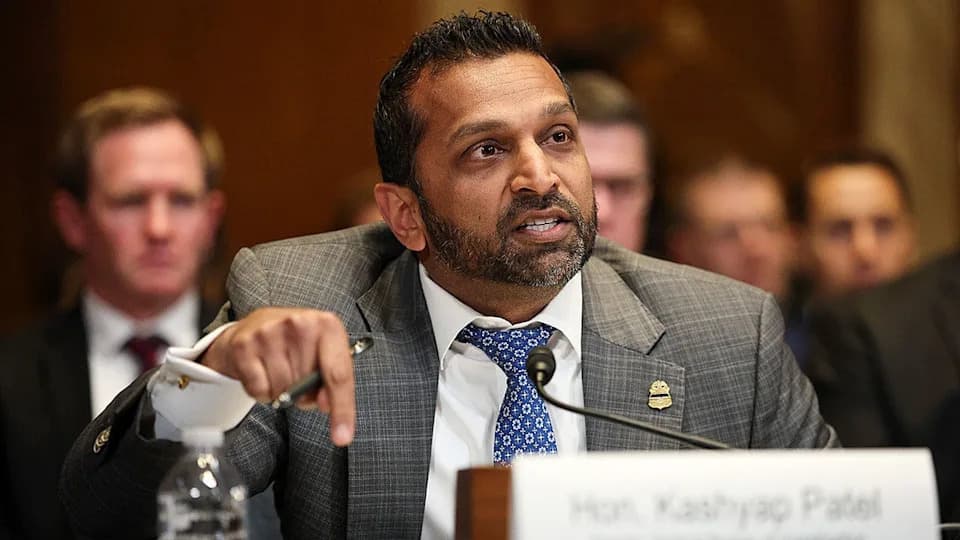
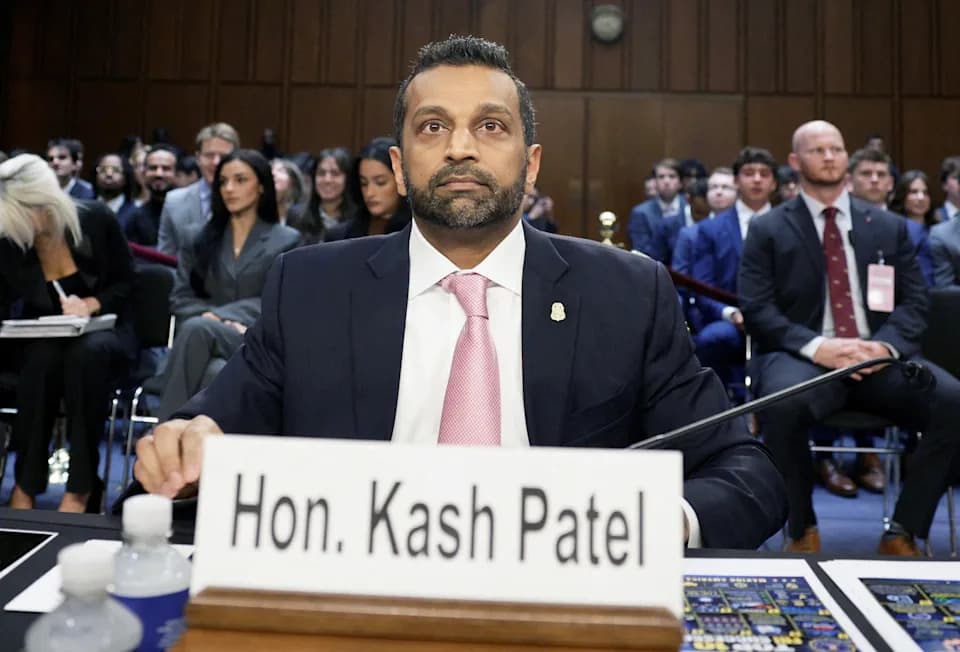
The FBI under Director Kash Patel is accused of changing counting rules to boost reported capture and arrest figures. Reporting by MS NOW says the bureau added fugitives expected to be captured and instructed field offices to count arrests made in the presence of FBI agents, inflating totals. Patel has cited those figures—including a claim of "forty-five thousand" violent offenders arrested—while facing questions about alleged erratic conduct.
Kash Patel Accused of Inflating FBI 'Most Wanted' Captures and Arrest Totals
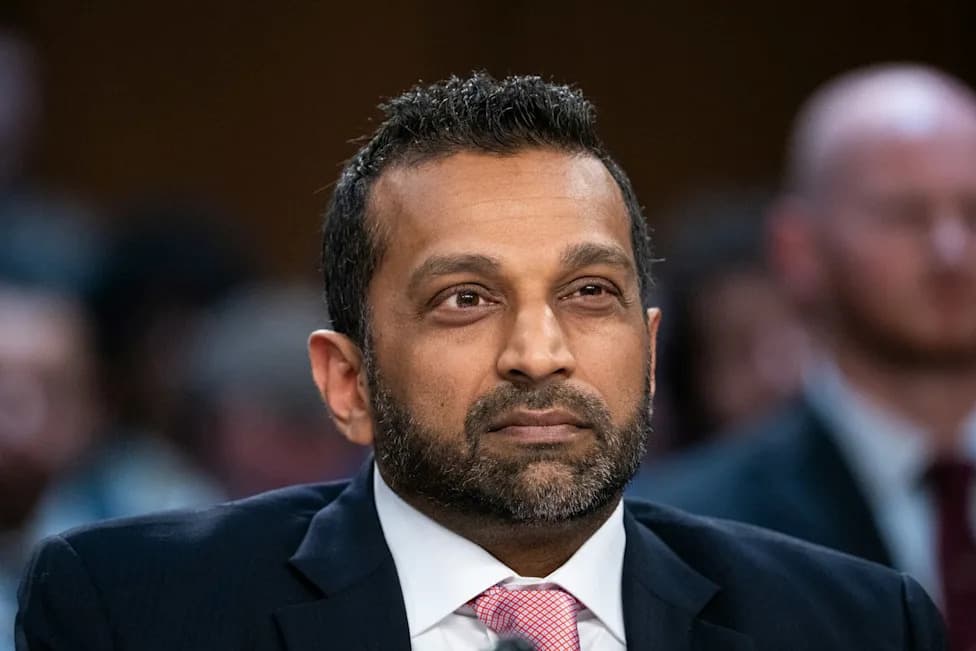
Kash Patel Exposed for Pretending to Clear the FBI’s Most Wanted List
The FBI under Director Kash Patel is facing scrutiny after reporting changes that critics say make the bureau's capture and arrest numbers look better than they are. Reporting by MS NOW and Patel's own posts on X have drawn attention to new counting rules that may boost headline statistics without necessarily reflecting a meaningful increase in public safety.
What Patel Claimed
"This FBI has had historic success manhunting Ten Most Wanted fugitives—since the start of the Trump administration, we've captured TEN of the Top Ten Most Wanted, 2.5 times the number of TMW fugitives captured during the previous four years combined,"— Patel wrote on X, touting the bureau's record under his leadership.
Which Counting Rules Changed?
Adding imminent captures: MS NOW reports that the bureau began adding individuals to the Top 10 Most Wanted list who were widely believed to be on the verge of capture. By including people expected to be caught, the capture rate can appear artificially high.
Counting arrests in the presence of FBI personnel: Patel reportedly directed field offices to include any suspect arrested while FBI agents were present in the agency's official arrest totals. That guidance can fold in arrests led by local police or other federal partners into the FBI's numbers.
The Numbers in Question
Patel cited a figure of "forty-five thousand" violent offenders arrested last year, saying it was twice as many as in 2024. Reporting indicates that tally includes suspects from cases led by local law enforcement and other federal agencies — including the Department of Homeland Security — which raises the possibility of double counting or inflated totals.
Why It Matters
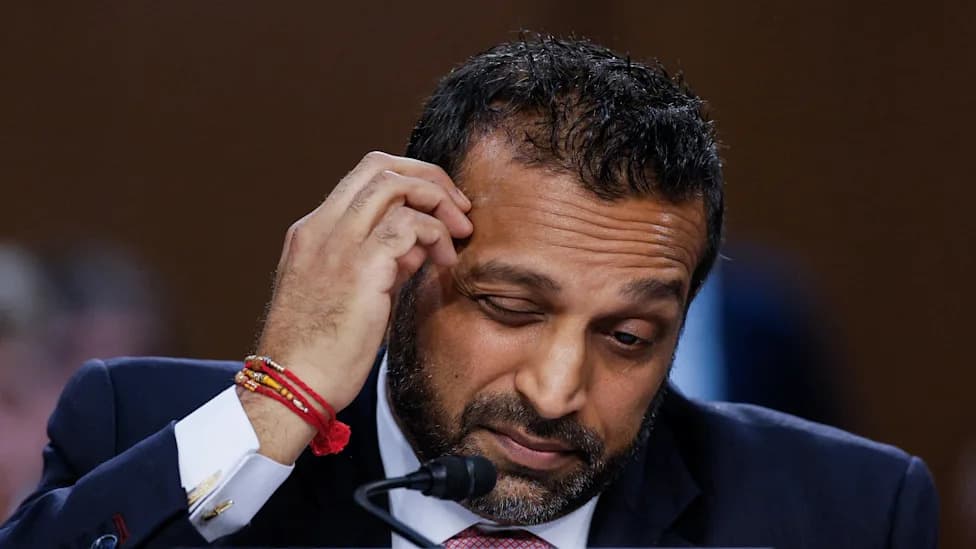
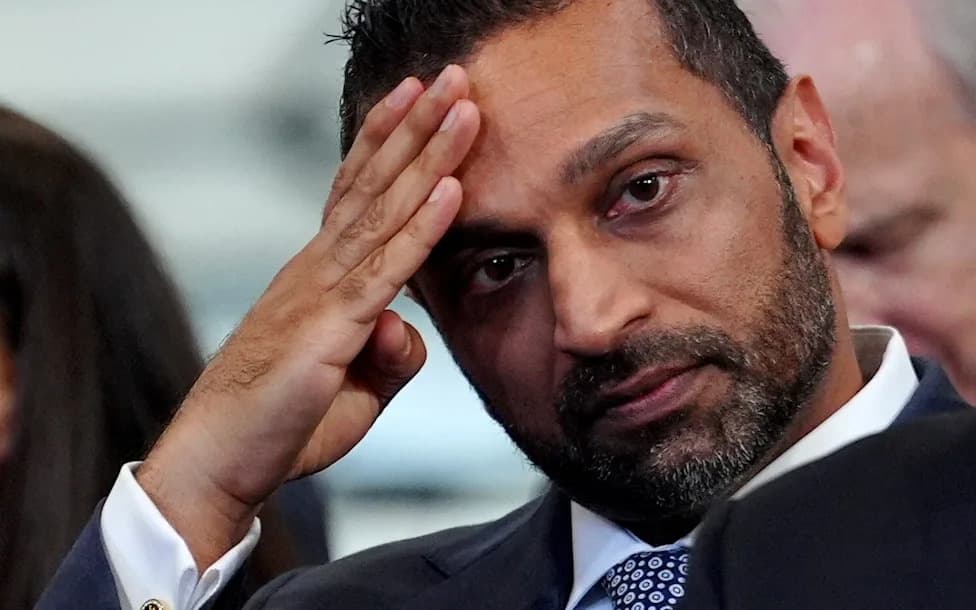
Observers note that changing how captures and arrests are counted does not necessarily remove more alleged offenders from the streets, but it can generate headline-friendly metrics. Critics say such statistics may be used to deflect scrutiny as Patel faces questions about alleged excessive drinking, unexplained absences and other erratic behavior.
Takeaway: The controversy centers on transparency and the distinction between legitimate performance gains and improved optics produced by altered accounting rules. Independent oversight and clearer reporting standards would make it easier to judge real progress.
Help us improve.