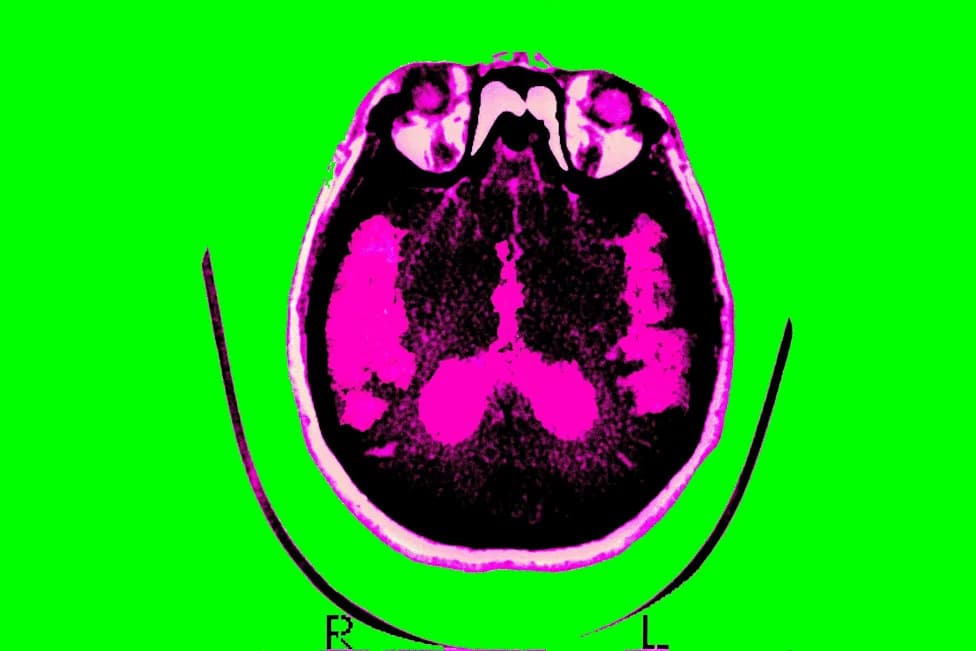
The 2026 World Alzheimer Report finds that Alzheimer's can no longer be regarded as untreatable, reflecting rapid progress across therapies, diagnostics and care. New antibody drugs such as donanemab (Kisunla) and lecanemab (Leqembi) have modestly slowed decline in early disease, while prevention and risk‑reduction strategies show promise for delaying some cases. Researchers are also exploring repurposed drugs — notably GLP‑1s — and the Alzheimer’s Association has pledged $100 million to study their potential impact.
Landmark Global Report: Alzheimer's Is No Longer Considered Untreatable

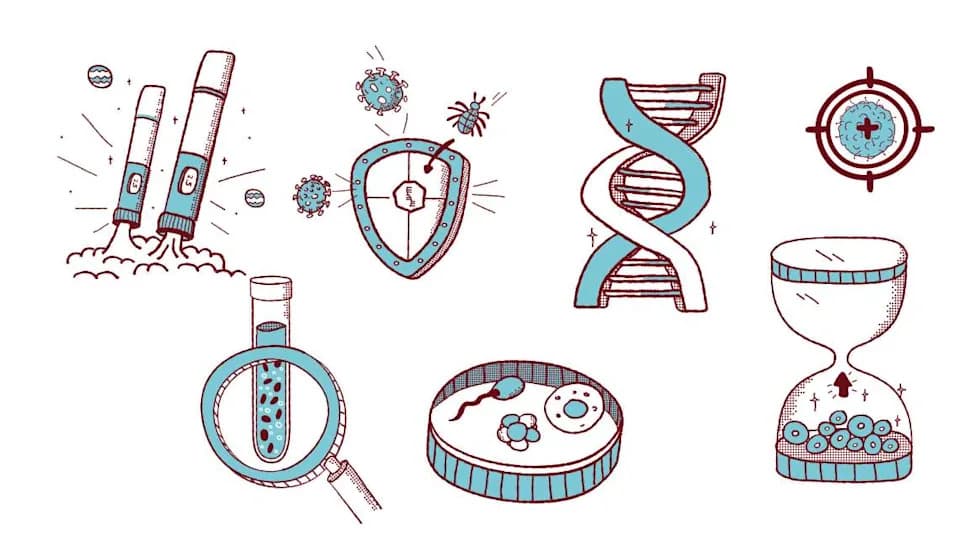
A more effective treatment plan is on the horizon. | Credit: Illustration by Julia Wytrazek / Getty Images
Dementia research has reached a turning point. The 2026 World Alzheimer Report — produced by Alzheimer's Disease International (ADI) with health journalist Paul Gallagher — concludes that Alzheimer's disease can no longer be regarded as untreatable. Researchers are shifting from solely seeking a cure toward preventing, delaying and better managing the disease.
Report Highlights
The report describes the field as "witnessing a period of remarkable scientific momentum," driven by hundreds of ongoing clinical trials testing a broad range of approaches. These include medicines, improved diagnostics, lifestyle and risk‑reduction strategies, digital technologies, rehabilitation programs and new models of care.
New Treatments and Prevention Strategies
In the past five years, new antibody therapies such as donanemab (brand name Kisunla) and lecanemab (brand name Leqembi) have been shown to modestly slow cognitive decline in early Alzheimer’s. Alongside drug development, mounting evidence suggests that some cases of dementia may be delayed or prevented through targeted risk‑reduction measures.
Repurposing Existing Drugs
Researchers are also investigating widely used medications for potential benefit in Alzheimer’s. In particular, GLP‑1 receptor agonists — drugs commonly prescribed for diabetes and obesity — have emerged as a promising class. Although the link is not yet proven, the Alzheimer’s Association has committed $100 million to studies exploring whether GLP‑1s could reduce Alzheimer’s risk or progression.
Why This Matters
The combined progress in earlier diagnosis, deeper understanding of disease biology and an expanding set of interventions means clinicians and families have more options than before. While there is no cure, the evolving toolkit offers realistic hope for slowing decline, improving quality of life and reducing the number of future cases through prevention.
"Earlier diagnosis, better understanding of disease biology, and a wider range of interventions may collectively improve outcomes," the report says.
Researchers caution that many findings remain preliminary and that broader access, safety monitoring and long‑term benefits still require further study. Nevertheless, the field’s rapid pace of discovery marks a meaningful shift in how Alzheimer’s is understood and addressed.
Help us improve.