Patrizia Paterlini’s ISET test aims to detect cancer years before imaging by isolating intact circulating tumor cells from blood. An early COPD study identified CTCs in five participants 1–4 years before CT scans found lung nodules; all five were later treated for early‑stage lung cancer. The test is commercially available in Paris, with U.S. availability planned, and Rarecells says it can pair cell‑level and DNA analyses to both flag and help localize early cancers. Larger studies and regulatory review are still needed.
Blood Test May Detect Cancer 1–4 Years Before Scans — Inside the ISET Liquid Biopsy
(Dreamstime)
What if a routine blood draw could reveal cancer years before a tumor is visible on imaging? That is the promise of ISET, an experimental liquid‑biopsy method designed to capture intact circulating tumor cells (CTCs) from a patient's blood for cellular and molecular analysis.
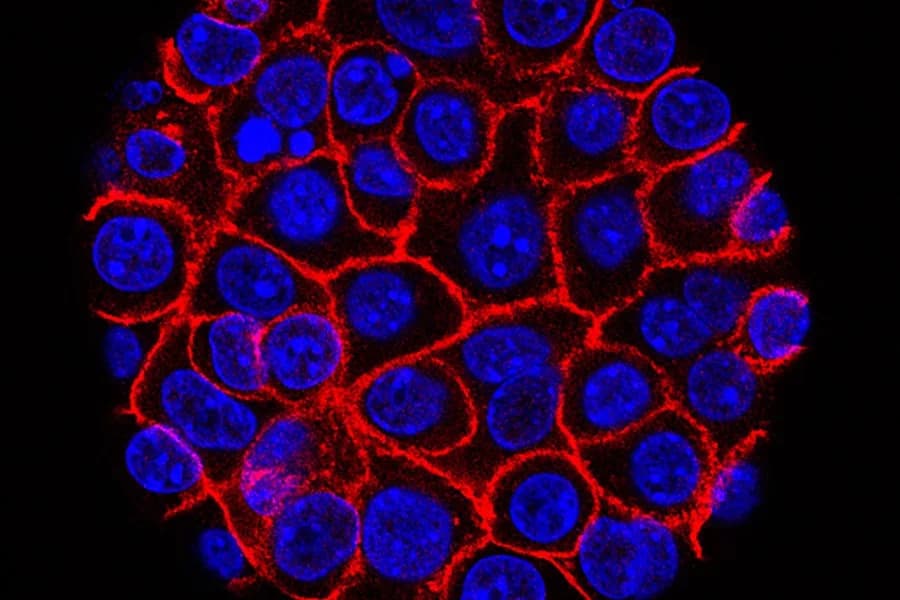
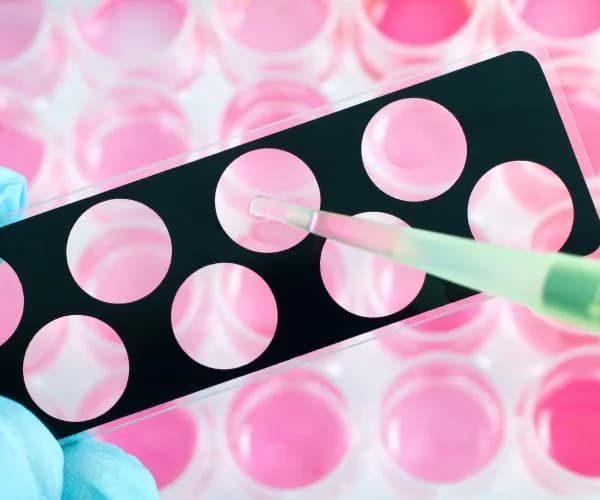
ISET (Isolation by Size of Tumor cells) separates rare tumor cells from a blood sample based primarily on physical characteristics. Because it isolates whole cells rather than just fragments of tumor DNA, the captured cells can be examined morphologically and subjected to additional molecular tests to look for evidence of malignancy and clues to the tumor's origin.
Developer and commercial status
Patrizia Paterlini, M.D., Ph.D., emeritus professor of cell biology and oncology at Université de Paris, helped develop and patent the ISET technique. She is the founder and CEO of Rarecells, the company that manufactures the test. Rarecells reports that ISET has been evaluated in thousands of patients and cited in more than 125 scientific publications. The test is commercially available in Paris, and the company says it plans to make the service available in the United States.
Early clinical findings
A small early study focused on patients with chronic obstructive pulmonary disease (COPD), a group at higher risk for lung cancer. Researchers detected circulating tumor cells in five participants one to four years before CT scans revealed lung nodules; each of those participants was later diagnosed with early‑stage lung cancer and underwent surgery.
'First of all, this has already been demonstrated in patients at risk of developing lung cancer,' Paterlini told Newsmax's "Saturday Agenda." 'It has been demonstrated to detect cancer 1 to 4 years before the cancer was detectable.' She also said she personally benefited from early detection: 'Myself, I had cancer and discovered it four years before it was detectable.'
Two‑step approach and clinical use
Rarecells describes a two‑step workflow: an initial screen of the blood sample to flag cells that indicate a developing cancer, followed by a molecular analysis on the same sample to help localize the tissue or organ of origin. Because both analyses are performed on the same draw, patients would not need an additional blood sample for follow‑up testing.
Proponents argue that earlier detection could enable closer surveillance of at‑risk organs and permit interventions—such as surgery—when cancers are small and potentially more curable, possibly avoiding more toxic treatments. Paterlini has stated that keeping the test affordable and widely accessible is a key goal.
Important caveats
While the initial results are promising, ISET remains an experimental approach. The COPD study involved a very small number of patients, and broader, independent validation is needed to determine how reliably the test predicts future cancer, which types of cancer it detects best, and how often it produces false positives or false negatives. Regulatory review and larger prospective trials will be required before widespread clinical adoption in settings such as routine cancer screening.
Bottom line
ISET is an innovative method for isolating intact circulating tumor cells and has produced intriguing early results, including detection of CTCs one to four years before imaging in a small COPD study. However, the technology is still emerging: clinicians and patients should watch for larger studies and regulatory guidance to better understand the test's clinical performance, appropriate use cases, and availability outside of France.
Help us improve.