Metropolis, a four-tower luxury complex in downtown Los Angeles, has been marred by maintenance lapses and a multi-million-dollar HOA shortfall after Greenland USA secured assessment abatements on roughly 300 unsold units. Residents and board members have won election challenges, filed lawsuits alleging self-dealing, and prompted a 2023 DRE sales moratorium that still blocks sales in Tower I. The fallout includes HOA liens, prior property-tax delinquencies, declining resale values and ongoing litigation scheduled through 2027.
Inside Metropolis’ ‘Ghost Condo’ Crisis: How Greenland USA’s Unpaid Dues Halted Sales and Strained Residents
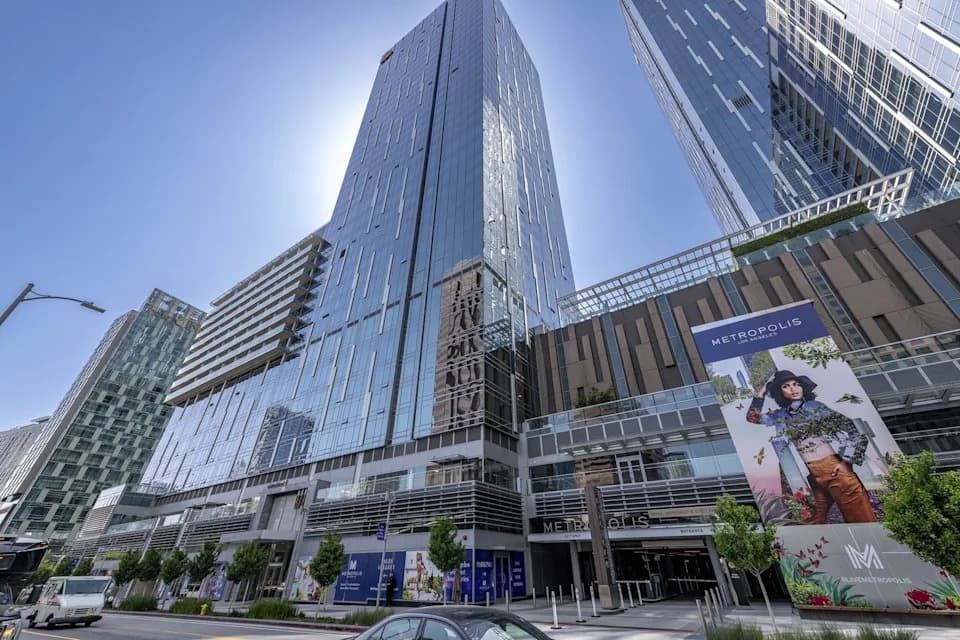
Metropolis, is a residential and retail complex composed of four towers in Downtown Los Angeles, CA. The complex is within walking distance of the Crypto.com Arena, L.A. Live, and the Los Angeles Convention Center. (Jason Harlem)
Residents of the upscale Metropolis towers in downtown Los Angeles have been living with a constant worry: utility shutoffs, failing amenities and a deepening financial shortfall sparked by developer unpaid assessments. Located steps from Crypto.com Arena and the L.A. Convention Center, the four-tower Metropolis complex was marketed as high-end urban living — but years of disputed abatements, unpaid HOA dues and court battles have left parts of the development effectively frozen.
How the Shortfall Emerged
Construction at Metropolis began in 2014, units went on sale in 2017, and the project finished in 2019. Greenland USA — the American arm of China’s state-backed Greenland Holding Group — retained ownership of roughly 300 unsold condominium units across the two condo towers. Residents and board members later learned the developer had negotiated assessment abatements that exempted many of those unsold units from HOA dues, reducing association income and draining reserves.
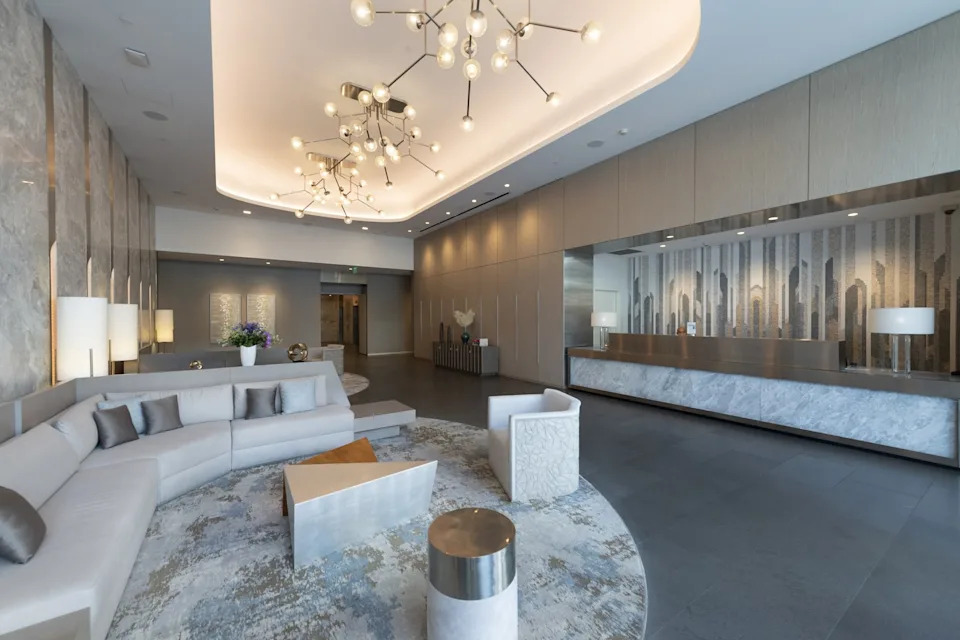
The lobby at Metropolis. The developer's total unpaid tab with the HOAs now totals $6.8 million, residents have claimed in court filings. (Jason Harlem)
What Residents Discovered
Long-time resident and Metropolis I board member Oleg Pariser found that Tower I, with an operating budget near $4 million, had under $200,000 in reserves and that Greenland had not paid HOA dues since 2018. Residents’ filings now allege Greenland owes about $6.8 million in unpaid assessments. Property manager FirstService warned Greenland in June 2019 that the Master HOA was "now officially out of money," vendors would "not perform services," and utilities were "at risk of being shut off," according to court exhibits.
Lawsuits, Elections and Court Rulings
Pariser filed a small claims complaint in 2023 asking a court to void the prior year’s board elections on grounds that Greenland-controlled directors were ineligible because of delinquent assessments. He won in 2024, voiding the 2022 election for Greenland representatives to the Met Master Association board. Subsequent challenges followed: in 2025 David Nealy successfully contested the 2024 Master HOA election, and in April 2026 a Los Angeles County judge ordered a new election.
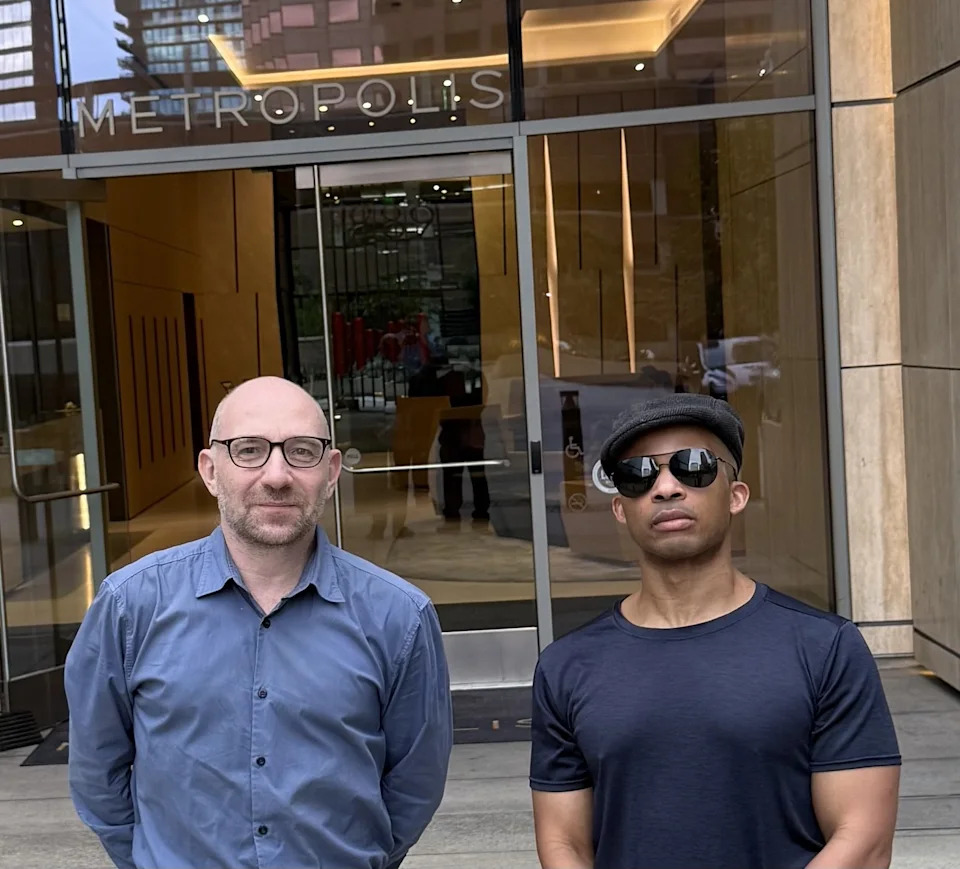
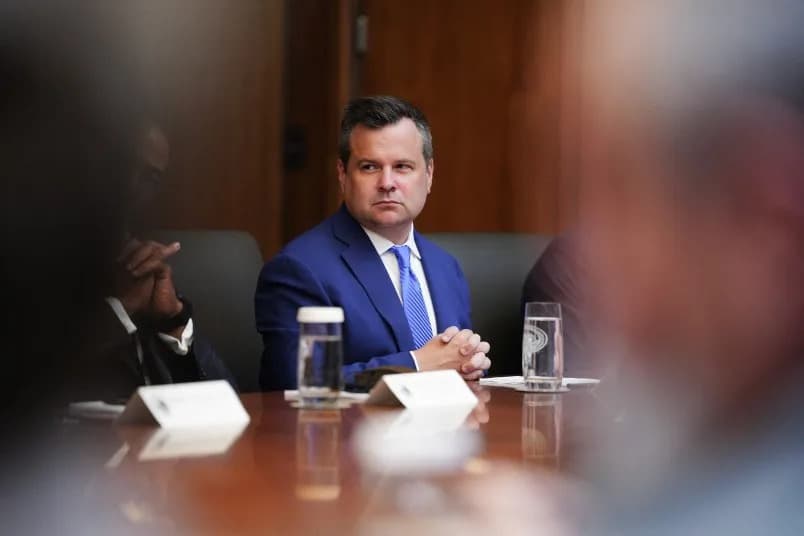
Metropolis residents Oleg Pariser and David Nealy are challenging the developer's handling of HOA matters in the complex (Courtesy of David Nealy)
Separately, Nealy and Tower II resident Nitin Bhatnager sued the Master Association, FirstService and several Greenland-backed board members in 2025, alleging breach of fiduciary duty and failure to collect assessments from developer-owned units. The suit warns that non-developer owners could face special assessments in the millions to restore financial stability.
Regulatory Action and Sales Moratorium
The dispute drew the attention of the California Department of Real Estate (DRE). In 2023 the DRE issued a rarely used "desist and refrain" order halting Greenland USA from selling units at 889 and 877 Francisco St. after finding the developer failed to disclose that its assessment abatements materially changed the offering disclosed in its Final Subdivision Public Report.
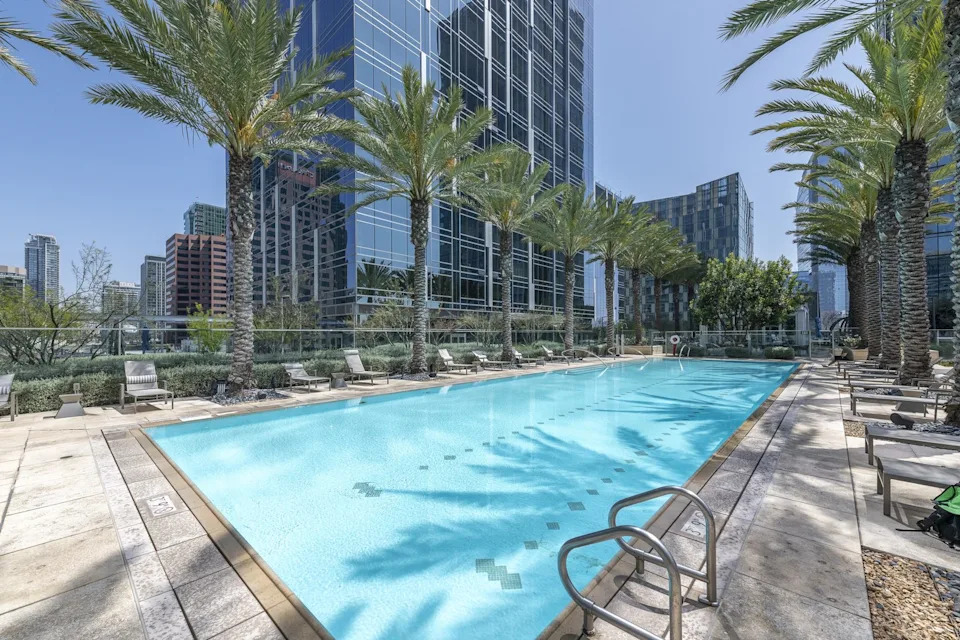
Greenland USA, an American subsidiary of the Chinese state-backed real estate developer Greenland Holding Group, broke ground on Metropolis in 2014 and began selling units in 2017 (Jason Harlem)
Greenland resubmitted its filings and, in December 2025, the DRE issued a new public report clearing sales for Tower II only. Sales in Tower I remain prohibited while litigation continues; the next major hearing is scheduled for March 2027.
Tax Delinquencies, Liens and Market Effects
Until recently, roughly 300 developer-owned condos were flagged as delinquent on property taxes in 2024–25; public records later showed payments for 2025 but not 2024. All 50 Greenland-owned units in Tower I now carry HOA liens because the subassociation is no longer under developer control. Tower II lacks liens largely because Greenland still controls that building’s HOA and historically has not enforced liens or late fees against its own units.
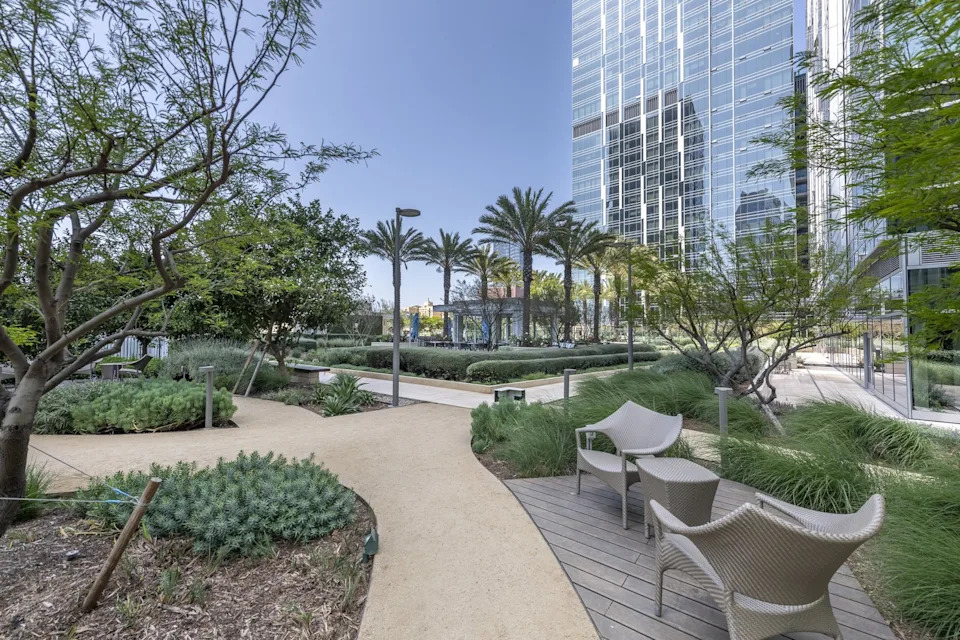
Outdoor amenities are seen at Metropolis. Nealy and Bhatnager's case is still moving through the courts. The next hearing is in March 2027. (Jason Harlem)
HOA liens and delinquent taxes create legal and financial hurdles that discourage buyers. Real estate and HOA experts say sellers must clear liens and taxes before a clean closing — a costly and time-consuming process. Residents report substantial declines in resale values: one-bedroom units that sold for more than $800,000 in 2017 now list for under $600,000 in comparable conditions.
What’s Next
Homeowners continue to pursue litigation, regulatory remedies and new board elections to regain financial transparency and accountable governance. Attorneys say enforcing liens or pursuing foreclosure actions is possible but expensive, and developers may delay resolution by waiting out protracted legal processes. Meanwhile, residents like Pariser and Nealy emphasize restoring homeowner control, improving management and protecting property values so Metropolis can fulfill its potential as a vibrant downtown community.
Key Quote: "The directors—even though they're representing the developer—have a legal fiduciary duty to act in the best interests of the homeowners," says Chad Cummings, an attorney and CPA with HOA experience. "Board members are exposing themselves to personal legal liability if they put the developer ahead of homeowners."
Status Check: Tower II sales were cleared by the DRE in December 2025; Tower I remains under a sales ban tied to ongoing litigation. Next major court hearing for Nealy and Bhatnager’s case: March 2027.
Help us improve.