The grand jury found insufficient evidence to charge anyone in the death of Nolan Xavier Wells, a conclusion that has left many in the Black community unsurprised and upset. An independent autopsy reported two bruises on the back of his head and no water in his lungs, contradicting early assumptions of drowning and prompting civil rights attorney Ben Crump to take up the case. Community members and the family say the outcome echoes past cases that have eroded trust in the justice system; advocates vow to continue seeking transparency and to keep Wells' memory alive.
Grand Jury Finds No Evidence to Charge in Nolan Wells' Death — Verdict Rekindles Distrust Over Racial Injustice
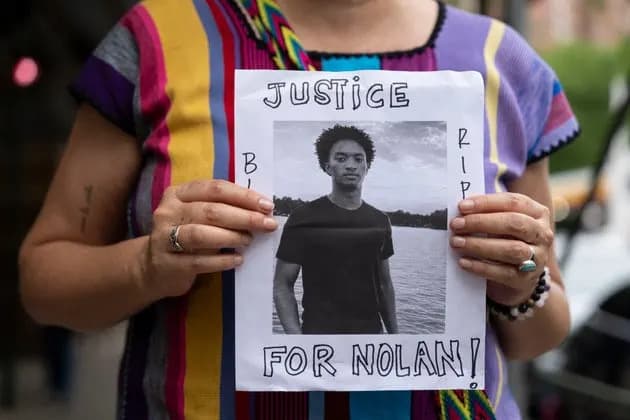
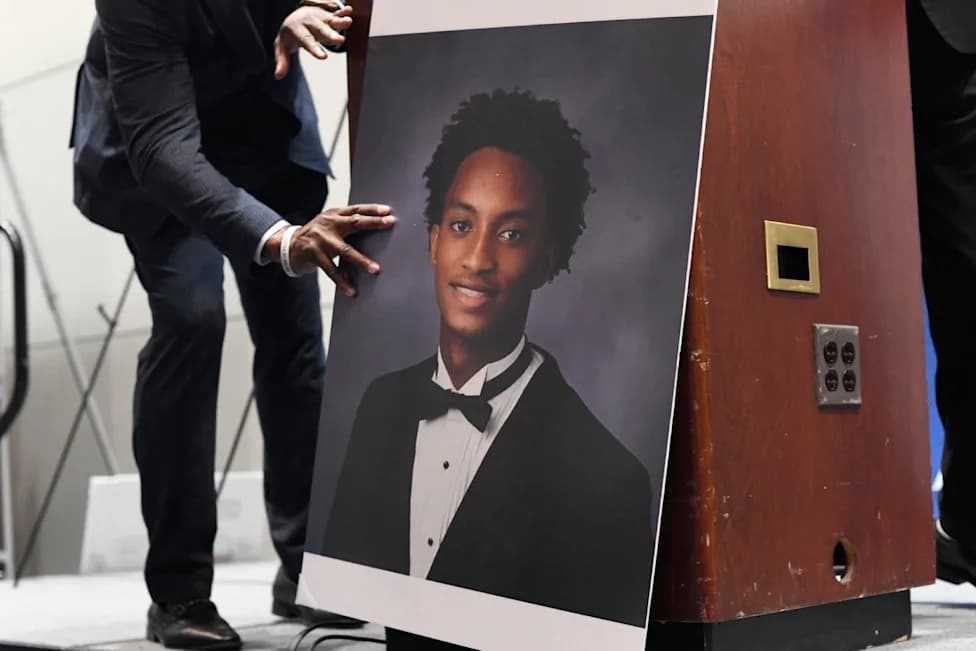
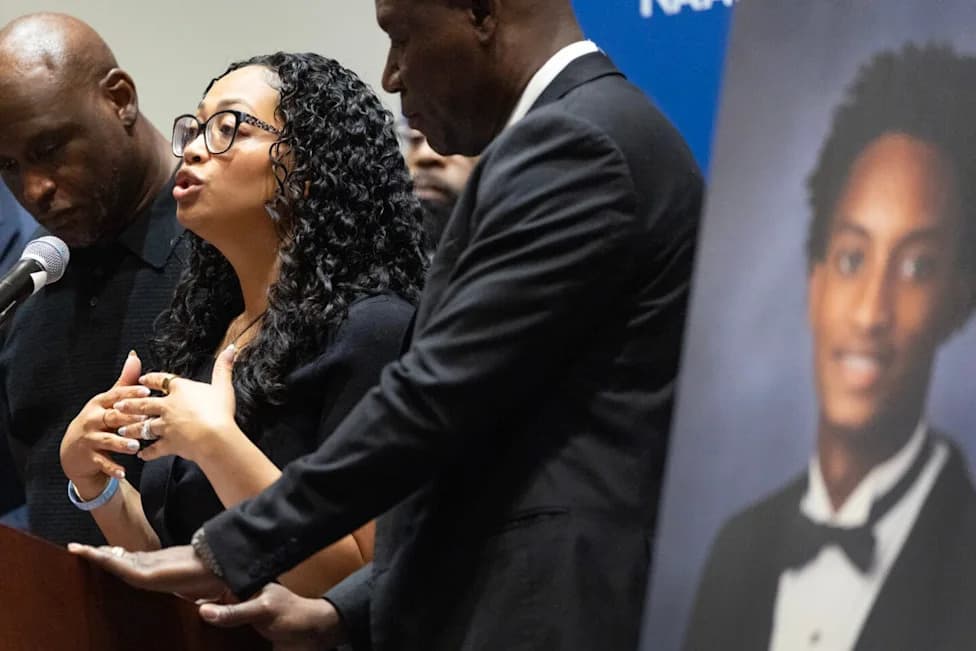
A person holds a picture of Nolan Xavier Wells during a news conference at National Action Network headquarters on July 10 in New York.Yuki Iwamura/File via Associated Press
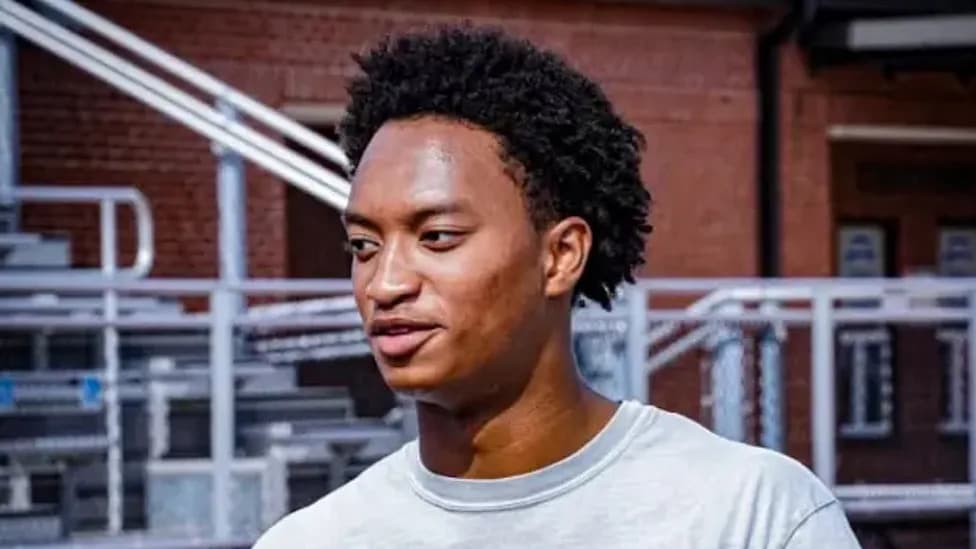
Last week a grand jury concluded there was insufficient evidence to bring criminal charges in the death of Nolan Xavier Wells. The decision, devastating to his family and supporters, has left many Black Americans unsurprised — and deeply dismayed — given a long history of cases in which Black lives are perceived to be undervalued by the justice system.
Unclear Circumstances and Conflicting Accounts
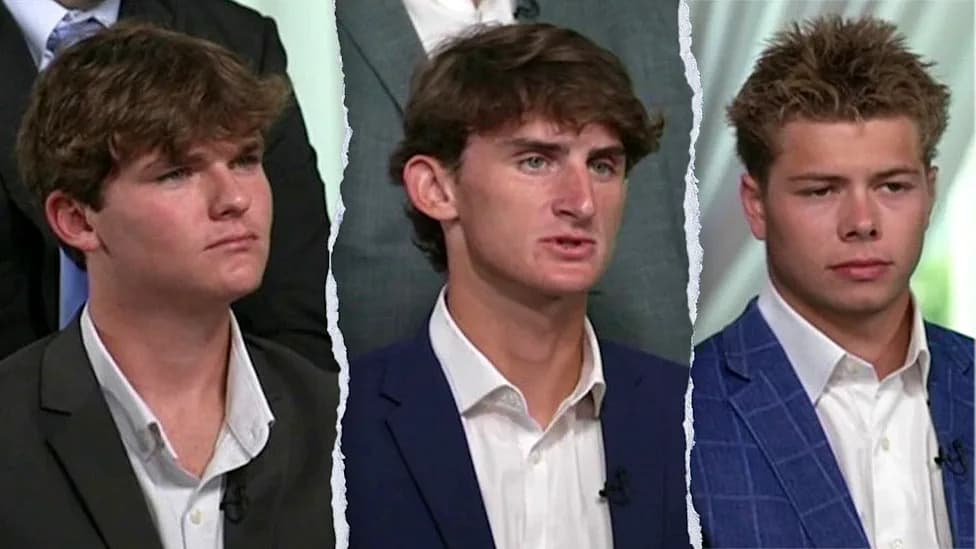
From the first reports of Wells' disappearance through the announcement of his death, details shifted repeatedly. Friends' accounts and law enforcement explanations about a missing phone and why Wells was left behind evolved in the weeks after his death, fueling community skepticism and online activism.
Independent Autopsy Raises Questions
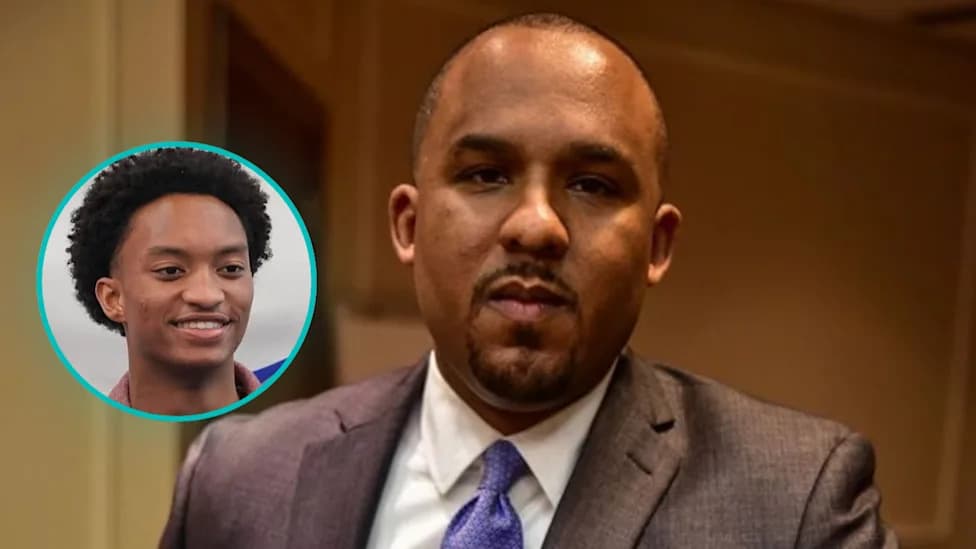
Because initial explanations left important questions unanswered, Wells' family commissioned a second, independent autopsy. That examination documented two bruises on the back of his head and found no water in his lungs — findings that contradicted early assumptions that he had drowned. Civil rights attorney Ben Crump later took on the case and helped bring national attention to the matter.
"Last night was a reminder that our son's life does not matter to those who hold positions that are supposed to serve and protect the public," Wells' mother said through tears. "Nolan is loved. He is cherished. He is honored. And he did not deserve to have his life taken away so suddenly."
Context and Community Response
On television, prosecutor-turned-commentator Nancy Grace cautioned viewers "not to rush to conclusions," even as social media amplified the community's alarm. For many, the grand jury outcome reopened old wounds and recalled other highly publicized cases — such as the Trayvon Martin verdict and the death of Tamla Horsford — that have contributed to widespread distrust in how deaths involving Black people are investigated and prosecuted.
What Justice Would Look Like
As the article notes, true justice for Nolan Wells would be him still living: playing football, dancing with friends, pursuing his studies, and attending family gatherings. With no criminal charges filed, his death instead becomes part of a broader narrative about a justice system that too often fails Black families seeking answers and accountability.
Next Steps and Remembrance
Although the grand jury decision is final for now, community leaders, advocates, and family members have pledged to continue pushing for transparency, independent review, and public accountability. Even when legal avenues close, preserving Nolan Wells' memory and keeping public attention on unresolved questions remain priorities for those who believe his death warrants further scrutiny.
Key facts: A grand jury found insufficient evidence to charge anyone in Wells' death; an independent autopsy reported two head bruises and no water in his lungs; civil rights attorney Ben Crump elevated the case nationally; the family and community have expressed profound distrust of the investigative and legal processes.
Help us improve.