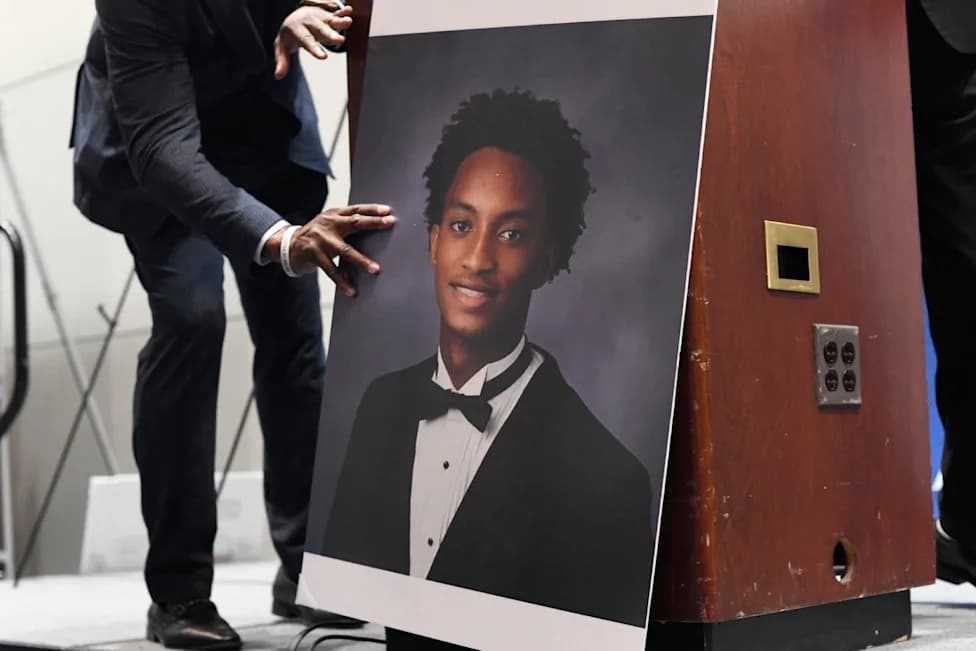
Christine Wells‑Wonsley corrected an NBC reporter who called her 18‑year‑old son Nolan a "man," insisting he was a teenager and their child. The exchange highlights adultification bias, a pattern that causes Black children to be seen as older and less innocent than white peers. Advocates, including Ben Crump and community members, have urged precise language to protect Nolan’s memory. The family says they are now Nolan’s voice and ask the public to remember his youth and humanity.
“He Was a Teenager”: Nolan Wells’ Mother Corrects Reporter, Highlighting Why Words About Black Youth Matter
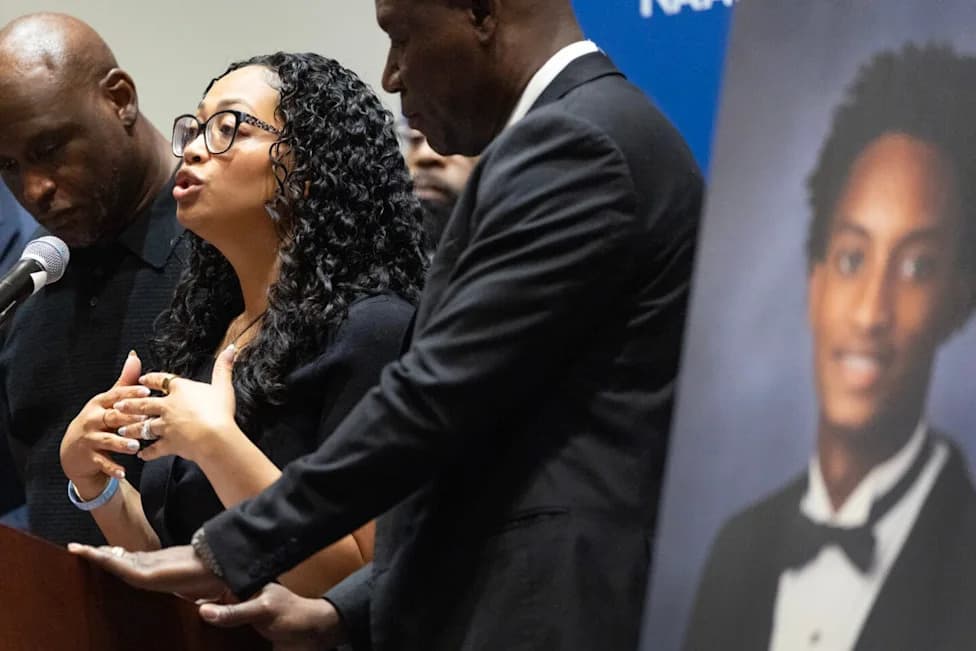
CHICAGO, ILLINOIS - JULY 22: Christine Wells-Wonsley, the mother of Nolan Wells, speaks during a press conference with attorney Ben Crump at the annual NAACP National Convention held to announce the results of an independent autopsy as they investigate the death of Wells on July 22, 2026 in Chicago, Illinois. Eighteen-year-old Wells was found dead two days after he disappeared during a July 4th boat trip to Horn Island off the coast of Mississippi with a group of high school friends. (Photo by Scott Olson/Getty Images)
Words carry weight—especially when they shape how we remember young Black people. In a recent NBC News interview, Christine and Elmore Wells‑Wonsley corrected reporter Yasmine Vossoughian after she referred to their late son, Nolan Wells, as a "man." The parents insisted Nolan, who was 18, should be described as a teenager and as their child.
"Let's not call him a man because [at] 18, you're still a teenager. I know by law you're an adult. Nolan was—he was a boy. He was a child. He was our child," Christine Wells‑Wonsley told the reporter. "So, for everyone watching, please stop referring to him as a man because he was a teenager. He was 18 when he left this earth."
Why the Distinction Matters
Some may dismiss the correction as a grieving parent's sentiment, but many in Black communities understand it as a protest against a widespread pattern called adultification bias. This bias leads adults, institutions, and media to perceive Black children as older, less innocent, and more culpable than white children of the same age—sometimes as early as age 13. That shift in language and perception can shape policing, legal outcomes, and public memory.
Research and advocacy groups have documented how racial stereotypes affect how youth are treated by teachers, police, and the media. In public conversations about young victims, precise language can preserve their vulnerability and humanity; imprecise language can erase it.
Community Response
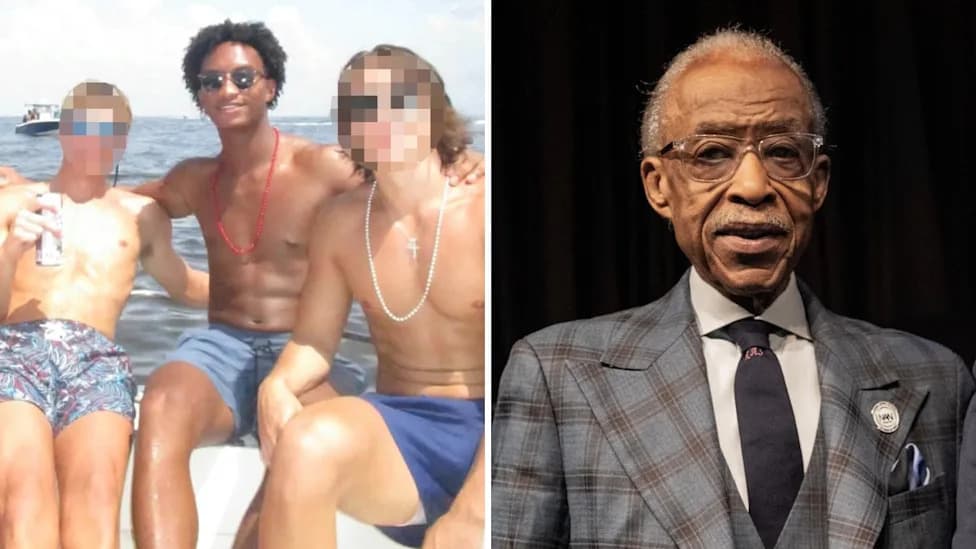
Legal advocate Ben Crump, who represents the Wells‑Wonsley family, emphasized the importance of accurate language in an Instagram post: "How we talk about our children matters, and Nolan Wells deserves to be remembered exactly as he was." Actress Holly Robinson Peete echoed that view in comments online, citing past cases such as Trayvon Martin and Tamir Rice where young Black victims were prematurely adultified in media and public discourse.
Since Nolan's disappearance and death following a Fourth of July boat outing, Black communities and journalists have rallied around the family—offering support, amplifying Nolan's name, and insisting on reporting that reflects his youth. For many, Nolan's story resonates with the painful reality that any family could face a similar loss.
Family Message
Despite their grief, the Wells‑Wonsleys have been explicit about their role now: they are Nolan's voice. "We have to stand up for Nolan because we are his voice now, because Nolan is not here. And please remember, the only victim in this situation is Nolan," Christine said. "Before all of this, before the hashtag, Nolan is our child, and he will always be our child."
Respectful, precise language is not mere semantics—it shapes how society recognizes and values the lives of young people. In this case, insisting on "teenager" over "man" honors Nolan's age, his family’s grief, and a broader effort to counteract damaging stereotypes about Black youth.
Help us improve.