When civil servants visibly enforce rules, they can become national sensations—because efficient, consistent governance now feels exceptional to many citizens. Tukaram Mundhe's food-safety raids in Maharashtra and R.S. Batth's anti-encroachment drives in Gurugram were amplified by social media and intense public interest. While such enforcement wins praise for cutting red tape, it also raises concerns about harming vulnerable livelihoods, alleged selectivity, and the political pressures officers face.
Why Some Indian Civil Servants Become Stars — Simply By Doing Their Jobs
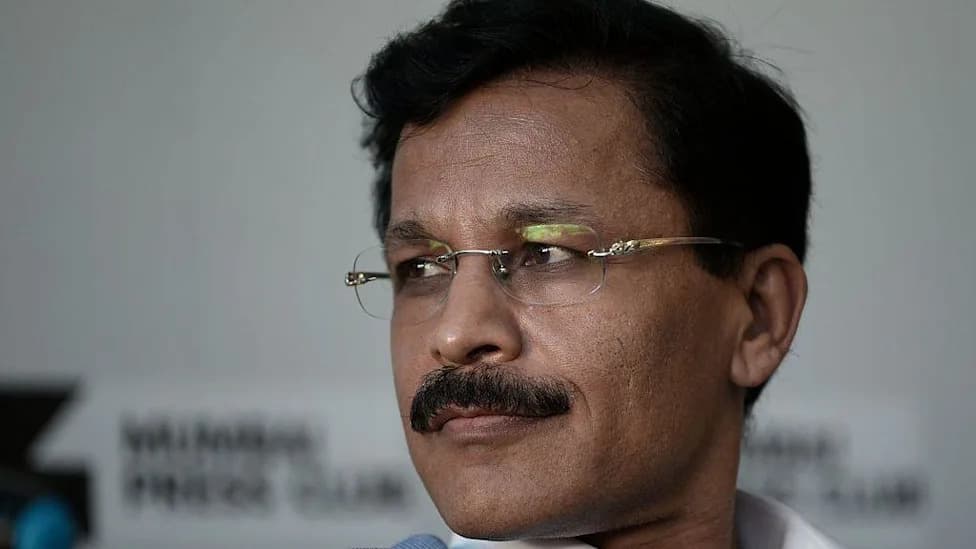
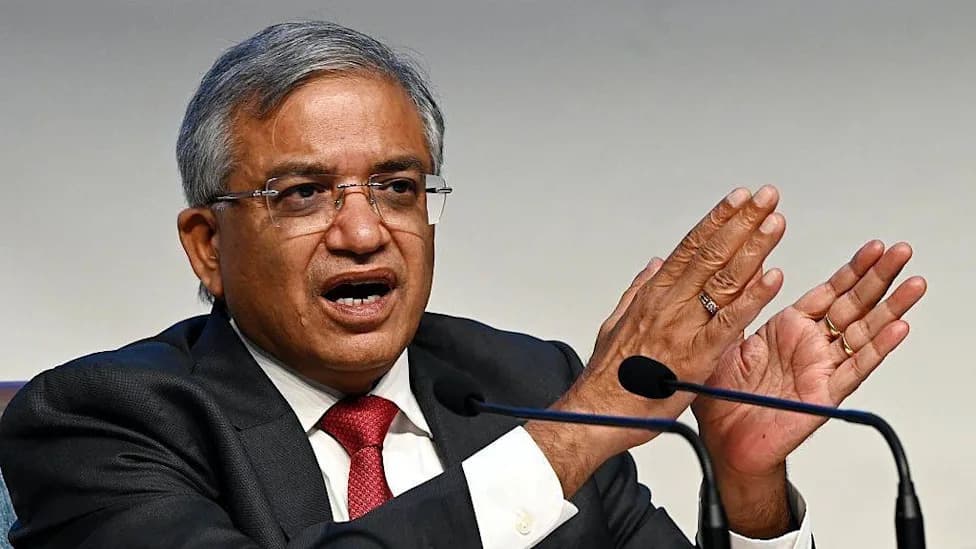
Tukaram Mundhe has led a series of enforcement drives since taking charge in May [NurPhoto via Getty Images]
Among the thousands who keep India's government running, a small number periodically emerge as unexpected public figures by visibly enforcing rules and cutting through red tape.
Tukaram Mundhe, 51, the commissioner of Maharashtra's Food and Drug Administration, is one such official. Since taking charge in May he has led a series of evidence-based inspections of restaurants and food outlets that uncovered pest infestations, poor hygiene and expired food. His teams have also flagged large gaps between what hospitals pay for routine supplies and what patients are charged. Videos and photos from those inspections went viral, turning routine enforcement into a national talking point.
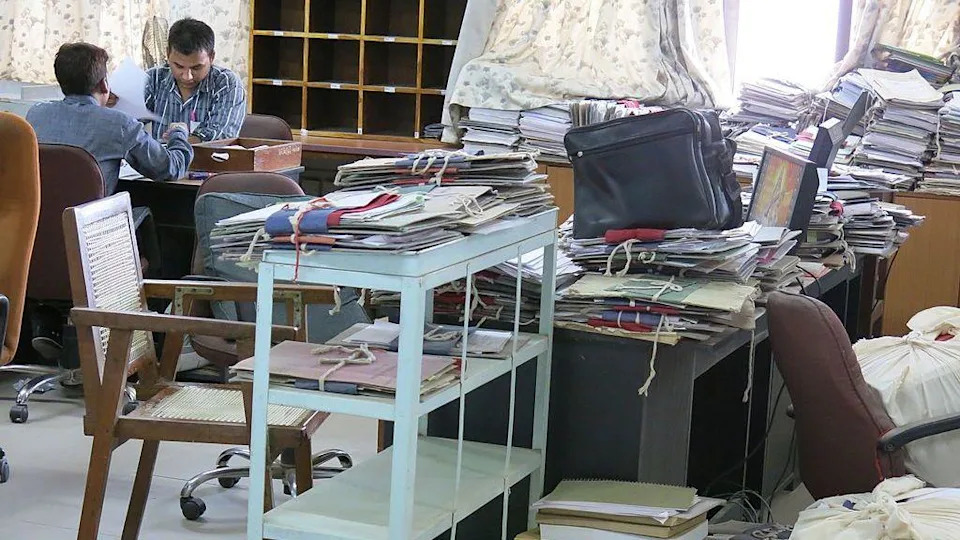
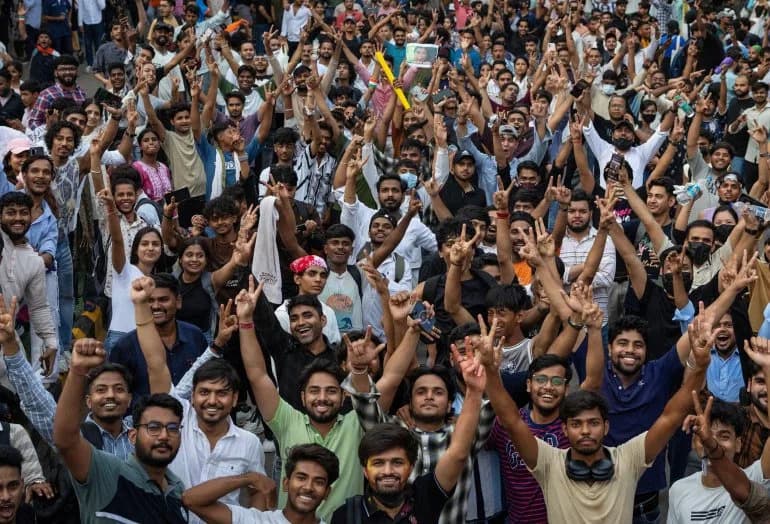
Many Indians associate government offices with lengthy procedures, repeated visits and an often-unresponsive bureaucracy [The Washington Post via Getty Images]
Why Doing Your Job Can Make You a Hero
In India, civil servants touch many everyday services—ID documents, policing, food safety and healthcare—but the public often associates government offices with delays, bribery and indifferent treatment. So when an officer enforces rules visibly and consistently, the response can be unexpectedly enthusiastic.
"What should have been normal has become exceptional," says retired civil servant Kamal Kant Jaswal.
Prominent recent examples reinforce the pattern: T.N. Seshan gained household recognition in the 1990s as election commissioner for toughly enforcing electoral rules; Kiran Bedi earned early headlines in the 1980s for her strict policing style; Ashok Khemka drew national attention for intervening in a disputed land deal in 2012; and police officer Neeraj Jadaun was praised for confronting a mob during deadly riots in Delhi in 2020.
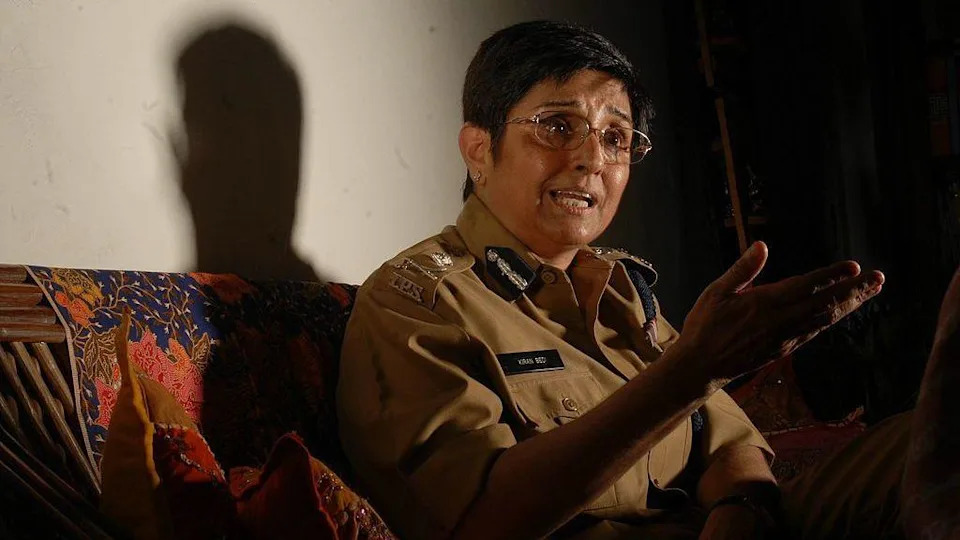
Kiran Bedi, India's first woman IPS officer, became known for her strict approach to law enforcement [The India Today Group via Getty Images]
Visible Enforcement, Mixed Reactions
Visible enforcement often wins praise but can also draw sharp criticism. Mundhe has been accused by parts of the food and hospitality industry of selective or heavy-handed action; he denies this, saying inspections are evidence-based and that licences are suspended only in serious cases. In Gurugram, town planner R.S. Batth has been applauded for acting against illegal construction but also criticised for allegedly disproportionately affecting vulnerable people. Batth maintains his actions follow town-planning laws.
As Jaswal notes, a street vendor’s stall may be illegal on paper yet be the only source of income for a family. Millions migrate to cities in search of work, and unauthorised housing and informal livelihoods are often entangled with survival. The same enforcement can therefore seem both lawful and harsh.
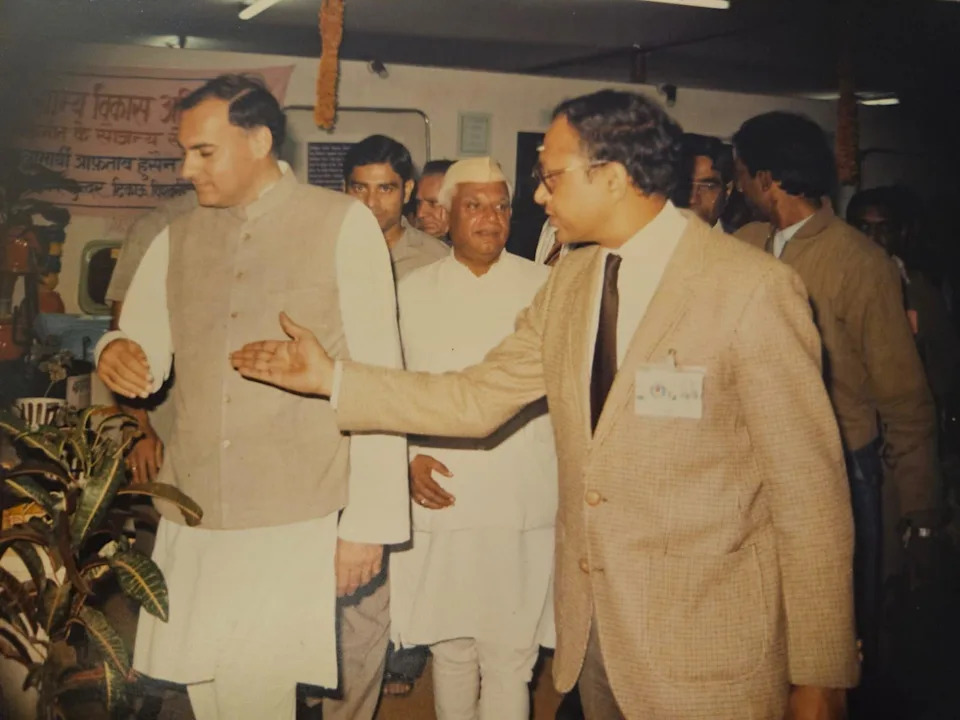
Kamal Kant Jaswal (right) with former Indian Prime Minister Rajiv Gandhi during his tenure as Uttar Pradesh's secretary for rural development. [Kamal Kant Jaswal]
Political Pressures And The Cost Of Independence
Bureaucrats who resist improper demands can face political pressure, punitive transfers and career consequences. Pushpa Sundar, a former civil servant and development writer, says: "They too have families, careers and financial responsibilities, and it takes extraordinary courage to risk those things to act independently." Jaswal recounts that after he refused demands from a senior minister in 1974 while serving as district magistrate of Uttarkashi, he was transferred soon after the minister won the election—yet thousands lined his route to say goodbye when he left.
The Role Of Social Media
Social media has compressed the news cycle: actions that once reached a single district can now be filmed, shared and seen by millions within hours. That has helped transform local enforcement into national debates almost overnight.
For officials like Mundhe, public health is the stated priority. "Compliant businesses have nothing to fear," he told reporters, emphasizing that his job is to enforce existing rules. But public fascination extends beyond any single officer: when basic government functions are performed visibly and consistently, they can appear remarkable precisely because ordinary experience often suggests otherwise.
Help us improve.