Abhijeet Dipke, a 30-year-old Boston University graduate, sparked the Gen Z “cockroach” movement with a spontaneous post on X responding to a remark about young people. The Cockroach Janta Party (CJP) mobilized around an exam paper leak and broader education and employment grievances, culminating in Education Minister Dharmendra Pradhan’s resignation on 25 July. After a violent police response on 20 July galvanized mass support, the CJP now focuses on improving conditions in rural government schools as it seeks to convert short-term momentum into lasting reform.
How a Viral Post by a 30-Year-Old Sparked India’s 'Cockroach' Protests — and Toppled an Education Minister
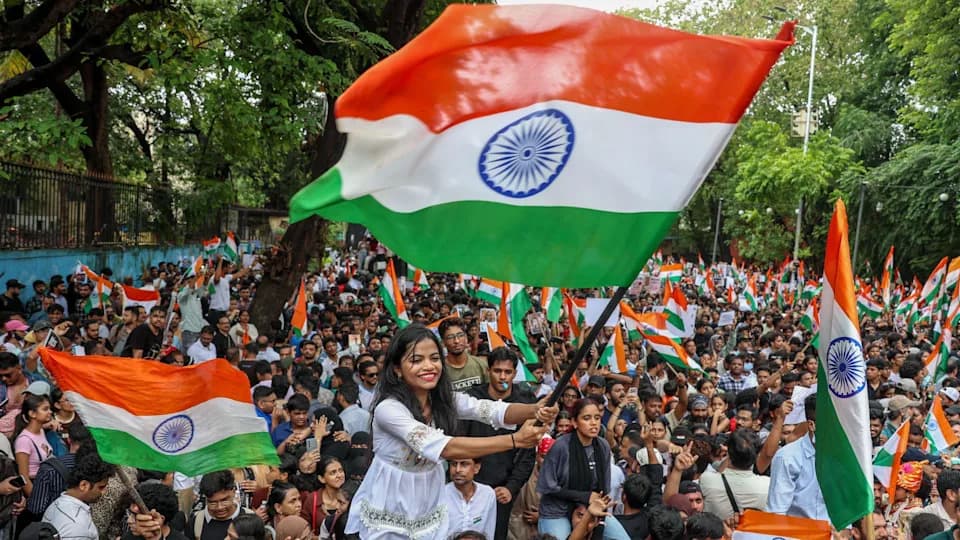
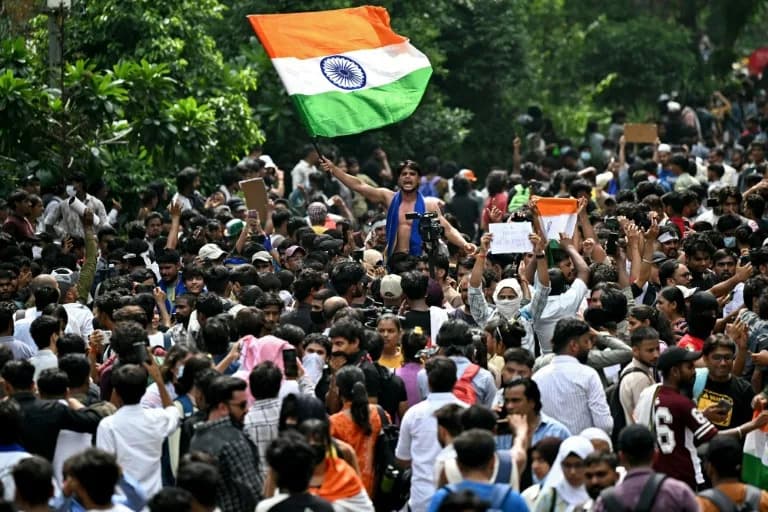
The cockroach protests were among the biggest mass agitations the Modi government has seen in recent years [EPA/Shutterstock]
In less than three months, 30-year-old Abhijeet Dipke transformed from a recent Boston University graduate into the public face of India’s Gen Z “cockroach” protests. What began as a spontaneous post on X on 16 May — a reaction to a remark by Chief Justice Surya Kant that many young people found insulting — quickly became a nationwide movement that forced Education Minister Dharmendra Pradhan to resign on 25 July.
From A Viral Post To A Movement
Dipke says he wrote the viral line, “What if all cockroaches come together?”, while playing a video game. Tens of thousands of responses followed. Together with a small group of former colleagues and activists, he helped launch the satirical Cockroach Janta Party (CJP), a name that deliberately riffs on both the chief justice’s insult and the ruling Bharatiya Janata Party (BJP).
Dipke’s sudden visibility was striking. Back home in Chhatrapati Sambhajinagar, Maharashtra, he is routinely stopped for photographs and handshakes. He had prior political experience, having spent three years with the Aam Aadmi Party (AAP) before studying for a master’s in public relations at Boston University, but he describes the surge of attention as “a rollercoaster.”
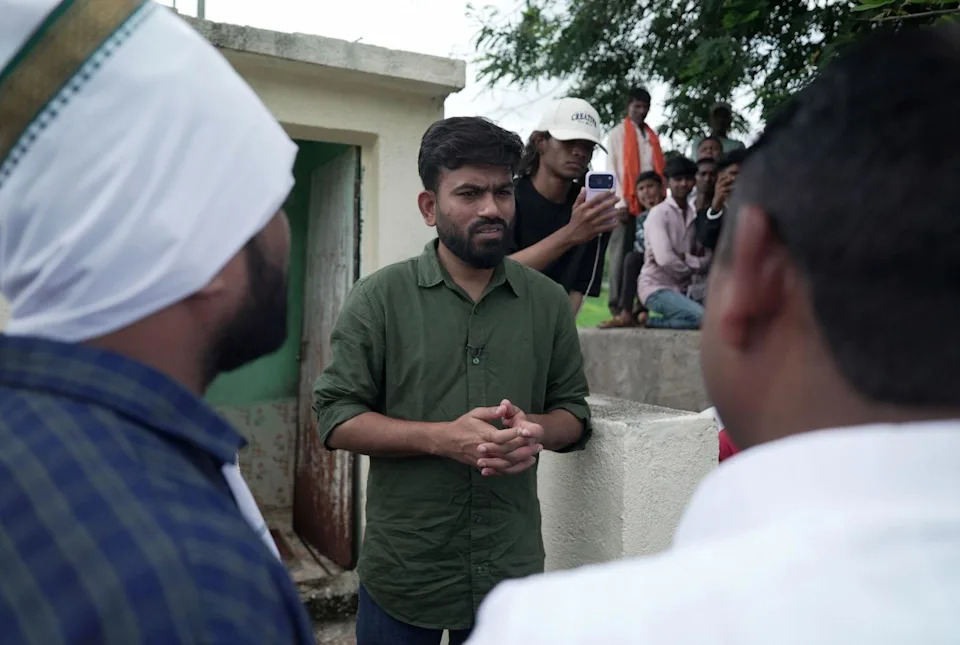
Dipke says the CJP has now evolved into a pressure group that aims to hold those in power accountable [BBC]
Crackdown, Censorship And A Risky Return
The campaign faced fierce online trolling from government supporters and, briefly, the CJP’s website and X account were withheld in India. Dipke says he received a notice that the content had been blocked under Section 69A of the Information Technology Act — a legal route the state can use to restrict online content on grounds of sovereignty or security. Indian officials reportedly cited “national security concerns,” a designation that prompted Dipke to return to India to prove he was not a threat.
Returning carried risks. Critics of the government in recent years have faced legal probes and harassment; a lawyer warned Dipke he could be detained under the National Security Act (NSA). Dipke says he worried about his safety and his family’s distress but felt compelled to come back so his supporters would not feel abandoned.
Escalation And A Turning Point
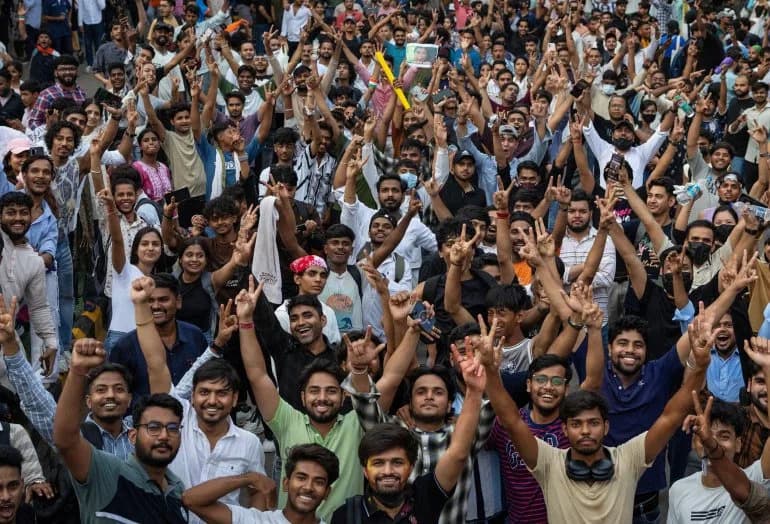
The CJP’s early protest at Delhi’s Jantar Mantar on 6 June drew only a few hundred people, but momentum built over weeks. The movement leveraged a widely shared grievance: a national medical entrance exam was canceled after a question-paper leak, a scandal linked in reports to more than 20 student suicides. That issue cut across religious and class lines and helped broaden support.
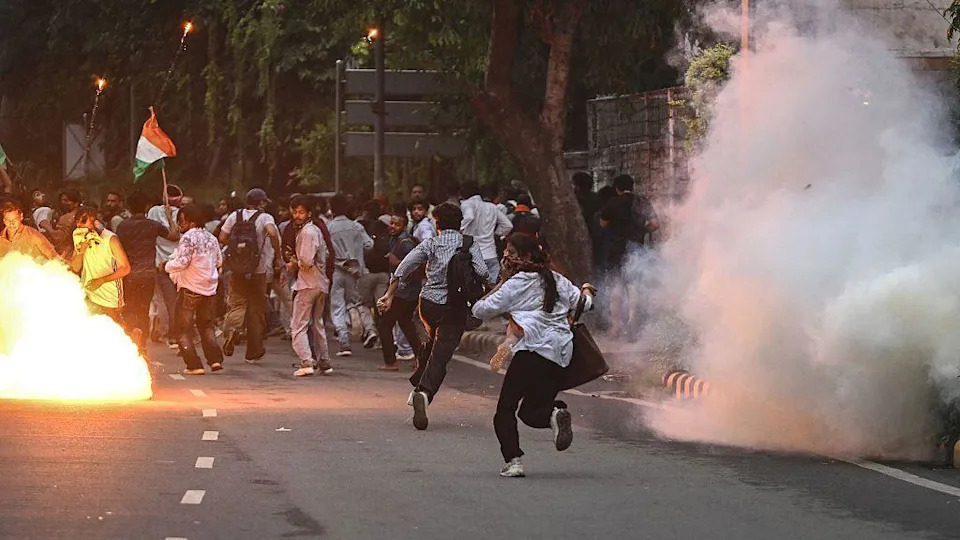
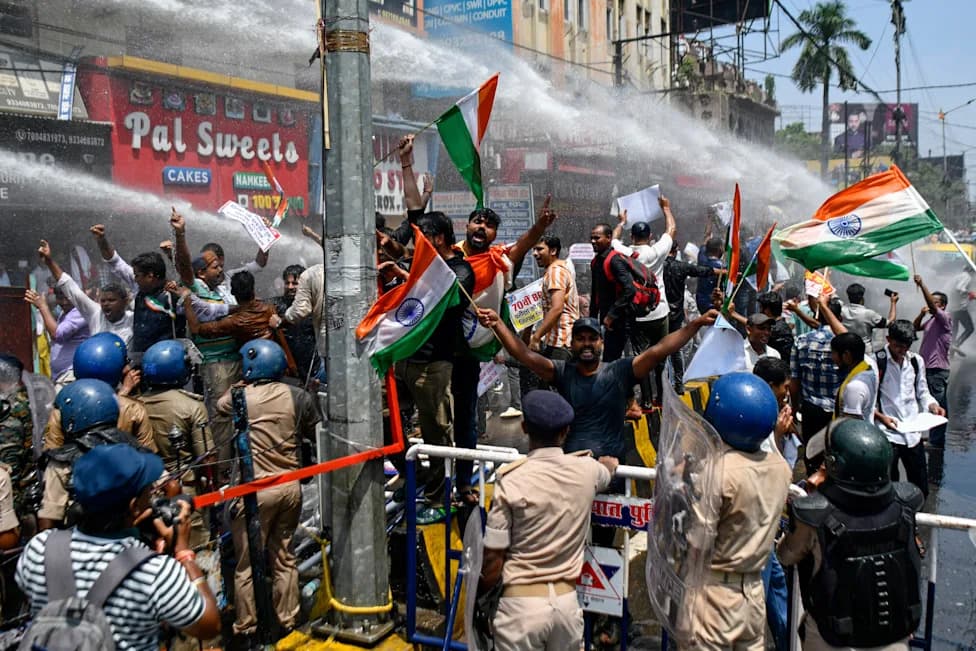
Security forces used batons, tear gas and water cannons to disperse the crowd on 20 July - the day of CJP's march to parliament [AFP via Getty Images]
The pivotal moment came on 20 July, when protesters attempting to march toward parliament were met with tear gas, batons and pellet guns. Images and videos of young demonstrators injured by security forces provoked a surge of sympathy and much larger turnouts in Delhi and other cities. Opposition parties publicly backed the CJP, and public pressure mounted on the government.
Resignation And Aftermath
On 25 July Education Minister Dharmendra Pradhan resigned, saying his departure was necessary “to ensure that anti-national elements do not take advantage of the situation.” The rapid climbdown echoed the government’s earlier reversal in 2021 when three farm laws were repealed after sustained protests. Dipke, who was on stage when the resignation was announced, celebrated the victory with demonstrators.
From Protest To Policy: The Harder Work Ahead
With the immediate goal achieved, the CJP now faces the more difficult task of sustaining momentum and translating protest energy into lasting change. The group’s current focus is improving conditions in rural government-run schools: lack of girls’ toilets, poor building safety, and expired food packets in mid-day meal programs are among the issues highlighted during visits to districts such as Hingoli in Maharashtra.
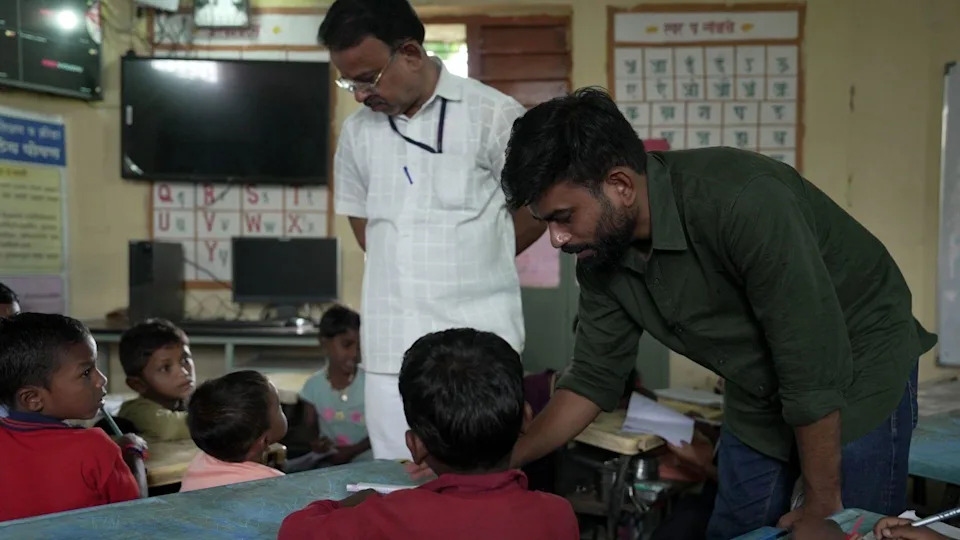
The CJP's latest campaign focuses on the condition of government-run schools in rural India [BBC]
Dipke and the CJP describe themselves as a deliberate, loose pressure group rather than a conventional political party. “We want to move beyond limiting politics to elections and party labels,” Dipke says. “We’re aiming for a cultural transformation where citizens understand rights and duties and hold governments accountable regardless of who is in power.”
Identity, Criticism And Inclusivity
Dipke is Dalit, a member of a historically marginalized community in India. That background gives the movement a symbolic dimension, but it has also invited scrutiny. Critics argue the CJP has avoided divisive issues affecting Muslims and lower-caste groups to retain broad Hindu support. Dipke rejects these accusations, pointing to chants of “Jai Bhim” and calls at protests for moving beyond Hindu-Muslim politics.
Whether the CJP can broaden its agenda without diluting its support, and whether it can build durable institutions capable of holding officials accountable, remain open questions.
Context And Bigger Picture
The protests tapped into structural frustrations: despite rapid GDP growth, opportunities for graduates remain limited. A recent government study found only about 8% of graduates are employed in jobs aligned with their skills, and graduate unemployment stood at roughly 29.1% — far higher than among those with less formal education. These facts help explain why a single viral post resonated so widely.
For Dipke personally, the challenge is both political and private: an introvert suddenly thrust into leadership must learn to convert a moment of anger and hope into persistent civic pressure.
Additional reporting by Adnan Bhat and Prem Boominathan.
Help us improve.