Gyanesh Kumar, India’s Chief Election Commissioner, is facing mounting criticism over a nationwide voter-list overhaul called the Special Intensive Revision (SIR) that has removed more than 130 million names. An Indian Express investigation reported that two fellow commissioners lodged at least 14 formal objections about decisions they said were taken without their consent, raising concerns about centralisation of voter data and procedural oversight. The commission says differences were part of normal deliberations, announced procedural reforms, and insists recent decisions were unanimous, but political opponents are preparing motions and public scrutiny has intensified.
India’s Election Chief Faces A Crisis Of Trust Over Massive Voter-List Overhaul
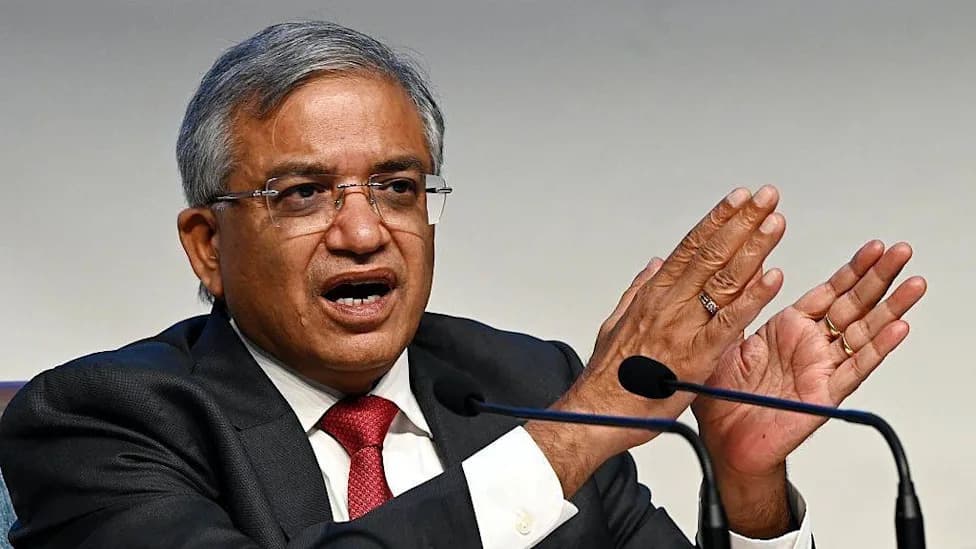
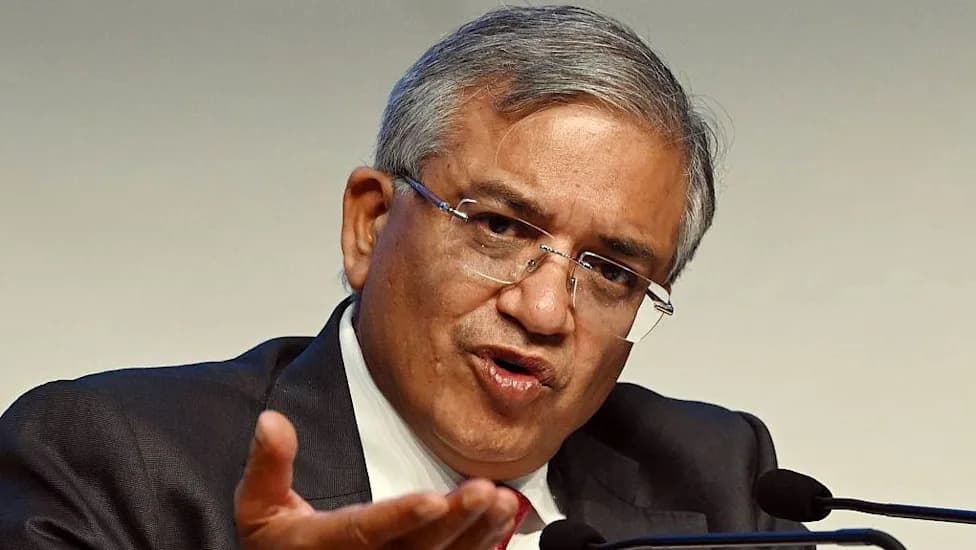
Gyanesh Kumar joined the Indian civil services in 1988 [Hindustan Times via Getty Images]
Gyanesh Kumar, India’s Chief Election Commissioner, has found himself at the center of a political and institutional storm as his office defends a sweeping revision of the country’s electoral rolls.
What Happened
The Election Commission launched a Special Intensive Revision (SIR) of voter lists that began in Bihar and has since been extended across most of India. Officials say the exercise has removed more than 130 million names from draft lists covering 30 states and federally administered territories — roughly 13% of the electorate — to eliminate duplicates and ineligible entries.
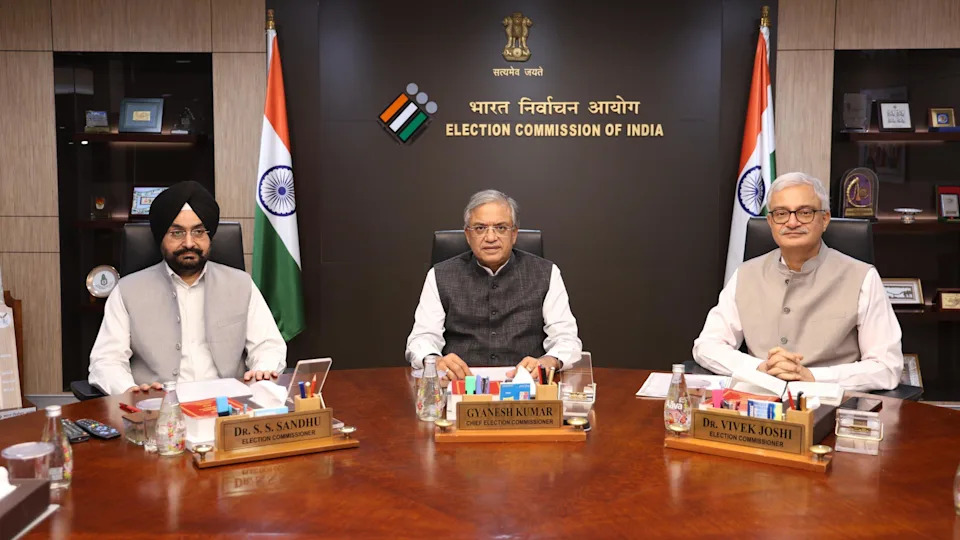
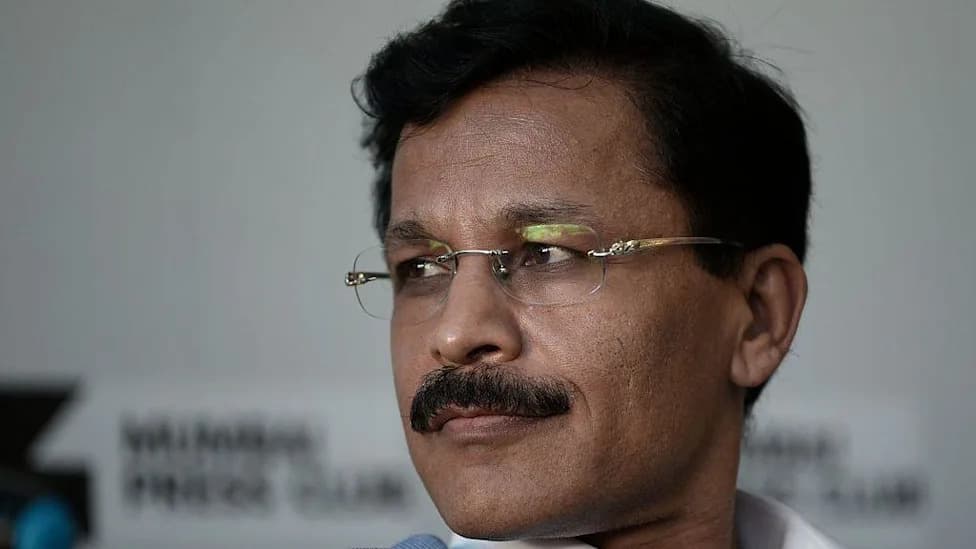
Gyanesh Kumar (c) along with Sukhbir Singh Sandhu (l) and Vivek Joshi (r) makes up the three-member Election Commission [Election commission of India/X]
Allegations And Internal Objections
An investigation by The Indian Express reported that Election Commissioners Sukhbir Singh Sandhu and Vivek Joshi formally objected at least 14 times over ten months to orders and decisions they say were issued without their knowledge. The disputed items reportedly touched core SIR practices, including how voters are added or removed, changes to registration procedures, and access and oversight of the central voter database that contains hundreds of millions of records.
Kumar’s Response And The Commission’s Position
Kumar has not directly answered questions stemming from that investigation. The Election Commission issued statements acknowledging differences of opinion but rejecting claims of a deep institutional rupture, saying decisions over the past year were ultimately unanimous. After a recent meeting, the three commissioners released a joint statement and a photograph together, and announced procedural reforms: meeting agendas will be circulated in advance, minutes will be issued, and commissioners’ directions to officials will be recorded and followed.
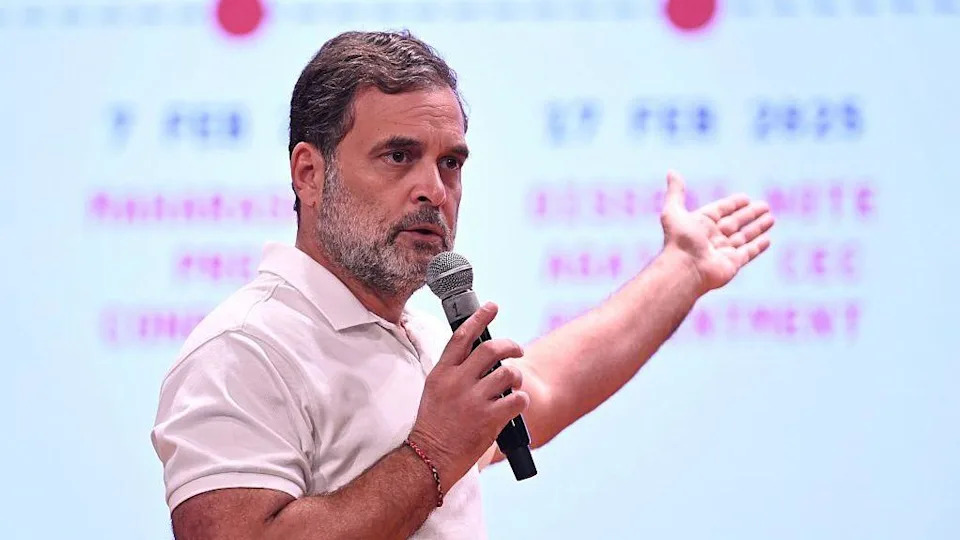
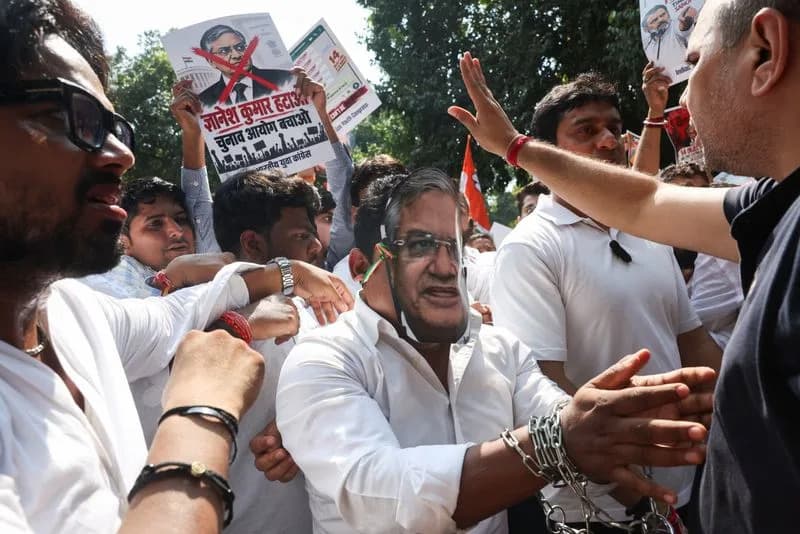
Congress leader Rahul Gandhi and other opposition leaders are reportedly planning a motion in parliament seeking Kumar's removal [Hindustan Times via Getty Images]
Political Fallout
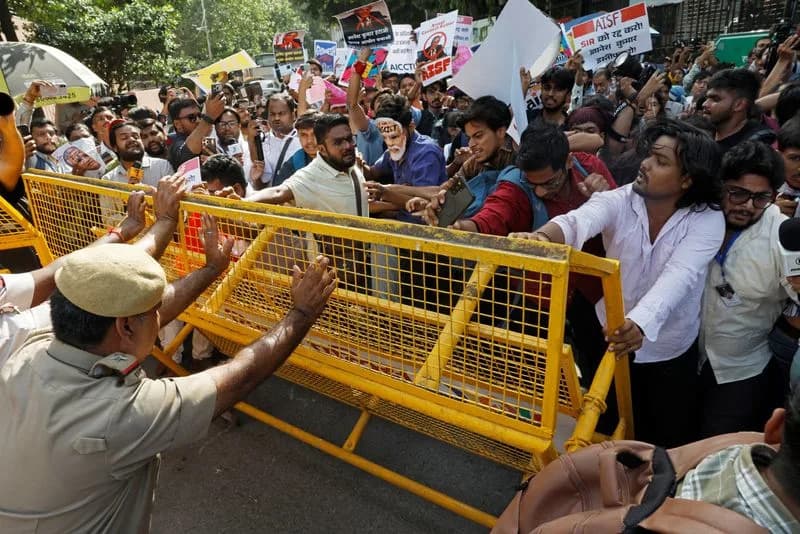
Opposition parties have signaled strong reactions: reports say parliamentary motions seeking Kumar’s removal are being prepared, while the youth-led Cockroach Janta Party (CJP) has threatened nationwide protests. Supporters of the commission — including Andhra Pradesh Chief Minister N. Chandrababu Naidu — defended the ECI’s integrity and criticised efforts they say undermine public confidence in India’s democratic institutions.
Background: A Bureaucrat With High-Profile Assignments
At 62, Kumar spent 36 years in the Indian Administrative Service. A civil engineer from IIT Kanpur, his earlier career included development work in Kerala and administrative posts such as district collector of Ernakulam. Later he handled politically sensitive roles in the Home Ministry, including work related to the 2019 Ayodhya implementation and the drafting of the Jammu and Kashmir Reorganisation Bill.
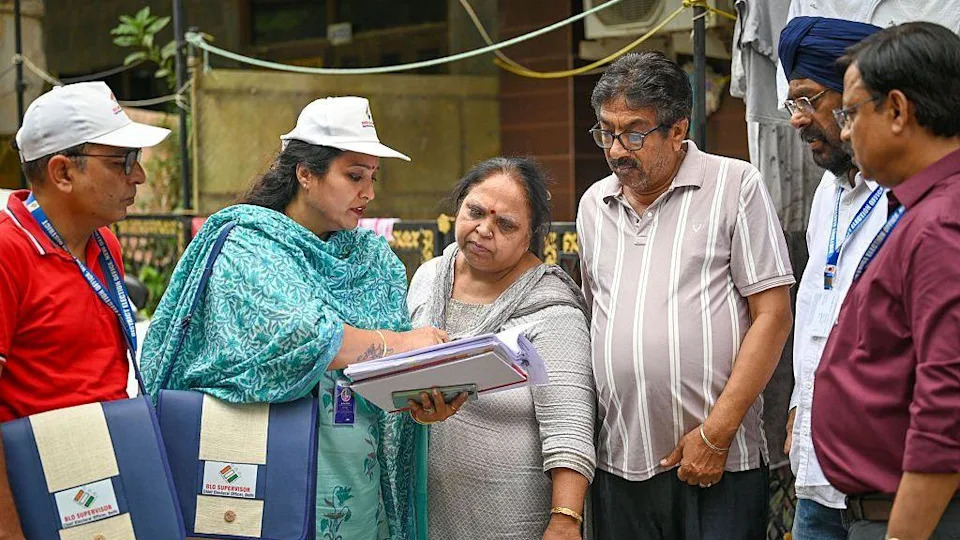
More than 130 million people have been taken off India's electoral roll list [Hindustan Times via Getty Images]
Kumar retired from the civil service in January 2024, was appointed an Election Commissioner shortly thereafter and became Chief Election Commissioner in February 2025. He is the first CEC selected under a 2023 law that replaced the Chief Justice of India on the selection panel with a cabinet minister nominated by the prime minister — a change opponents say weakens ECI independence. That law remains under challenge in the Supreme Court.
Administrative Changes And Criticisms
Early in his tenure Kumar introduced a series of managerial reforms — biometric attendance at commission headquarters, transfers of at least ten chief electoral officers, and proposals to redesign voter information slips and reduce voters per polling station under an agenda he called “EC 2.0.” Critics have said some personnel changes were unusually heavy-handed for routine reshuffles.
Why It Matters
The dispute places new scrutiny on the SIR and on the Election Commission itself — one of India’s most important constitutional bodies. Whether the controversy will have lasting consequences for Kumar or for public trust in the commission remains unclear, but the issue has moved beyond technical voter-roll maintenance to broader questions about transparency, institutional process, and electoral integrity.
Additional reporting by Rachita Prasad.
Help us improve.