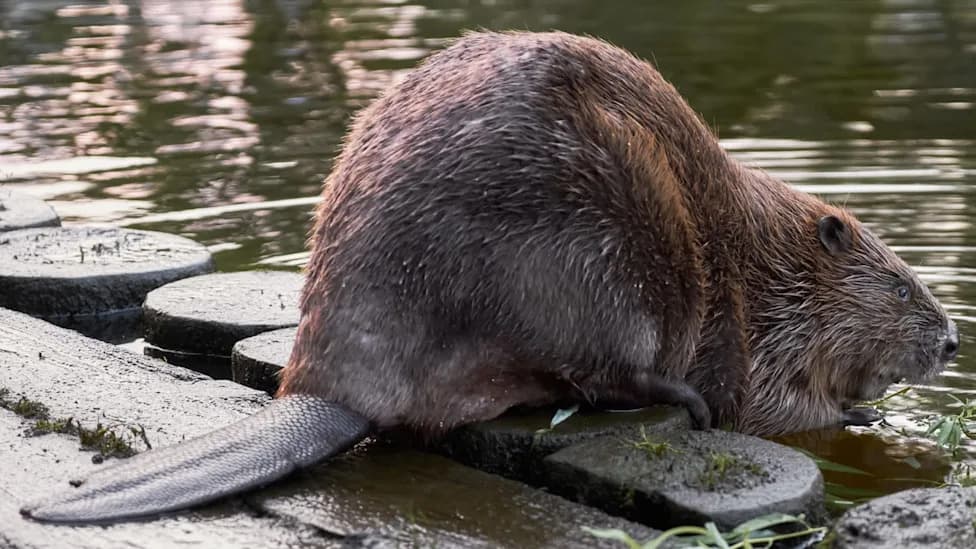
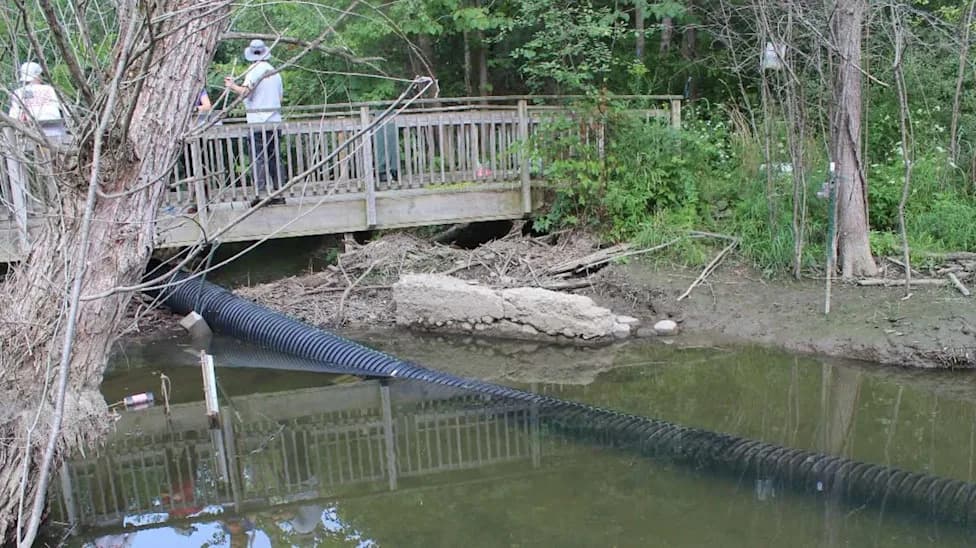
In 2019 Utah State University researchers began relocating nuisance beavers to the Price River to help revive a drought-stressed watershed. By 2025 monitoring showed stronger water levels, recovering fish populations and renewed river recreation in Helper, Utah. Federal cleanup efforts and new grazing rules supported recovery, but experts say beaver dam-building was a key driver. Similar projects and artificial beaver dams are being used elsewhere in Utah, with striking local gains in riparian habitat.
How Beavers Revived a Dying Desert River — Six Years After Rewilding, Utah’s Price River Thrives
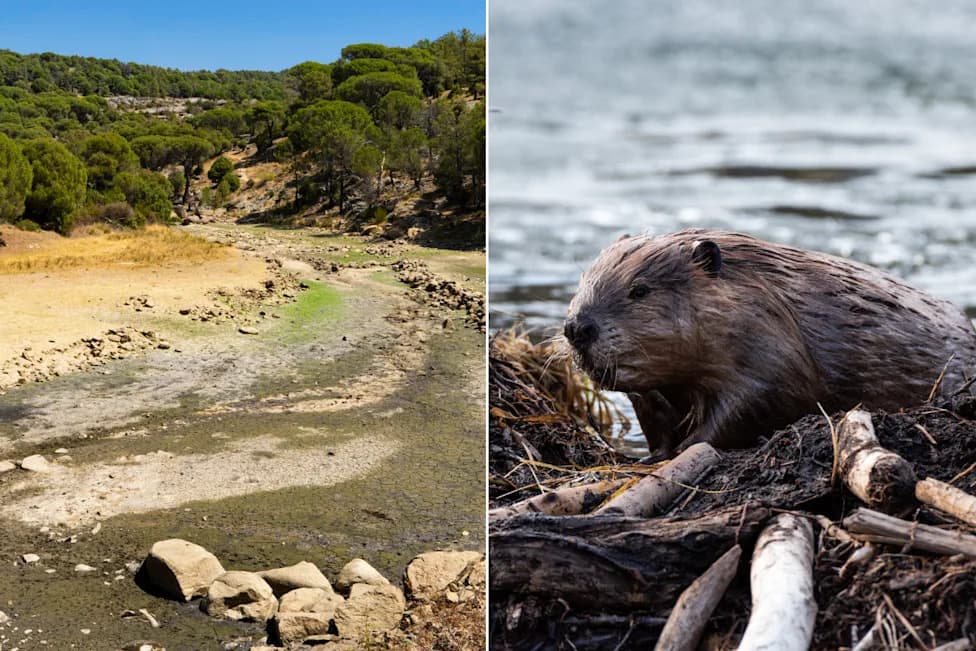
Can outsider beavers save this dried up river?
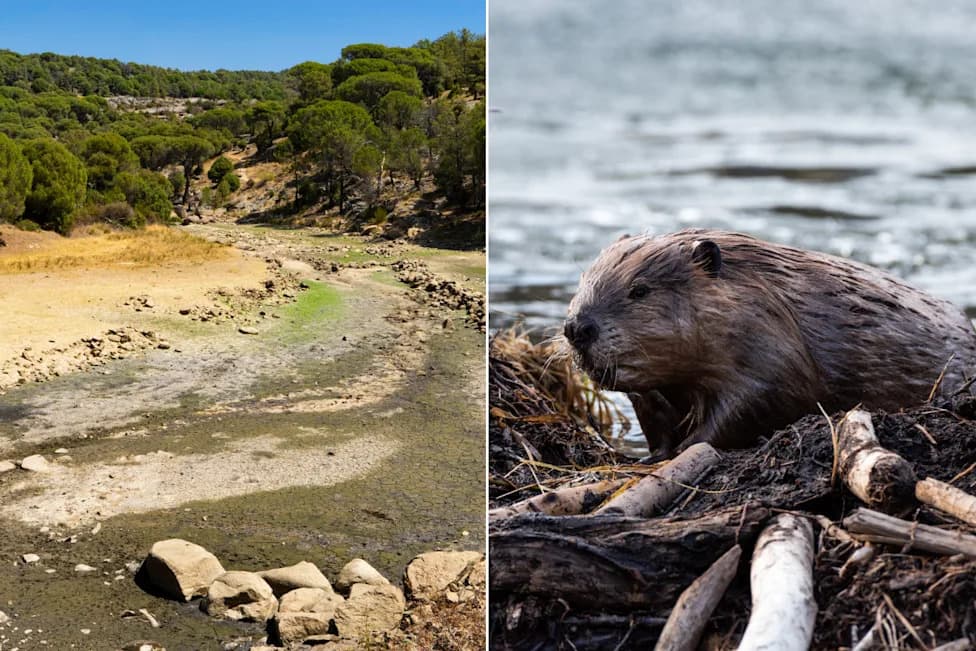
Rivers in arid landscapes operate on a knife-edge. In the desert, springs and streams sustain wildlife, agriculture and local communities, yet they remain extremely vulnerable to climate change, overuse and pollution. In parts of the Colorado River Basin, prolonged drought has left riverbeds precariously low, threatening fish populations and increasing wildfire risk.
Rewilding With Beavers
In 2019, a team led by master’s student Emma Doden at Utah State University launched a beaver translocation project to help revive some of Utah’s most imperiled streams. The goal was simple and natural: move beavers displaced from human-conflict areas into reaches of the Price River and nearby streams and let their dam-building restore wet habitat.
Why Beavers?
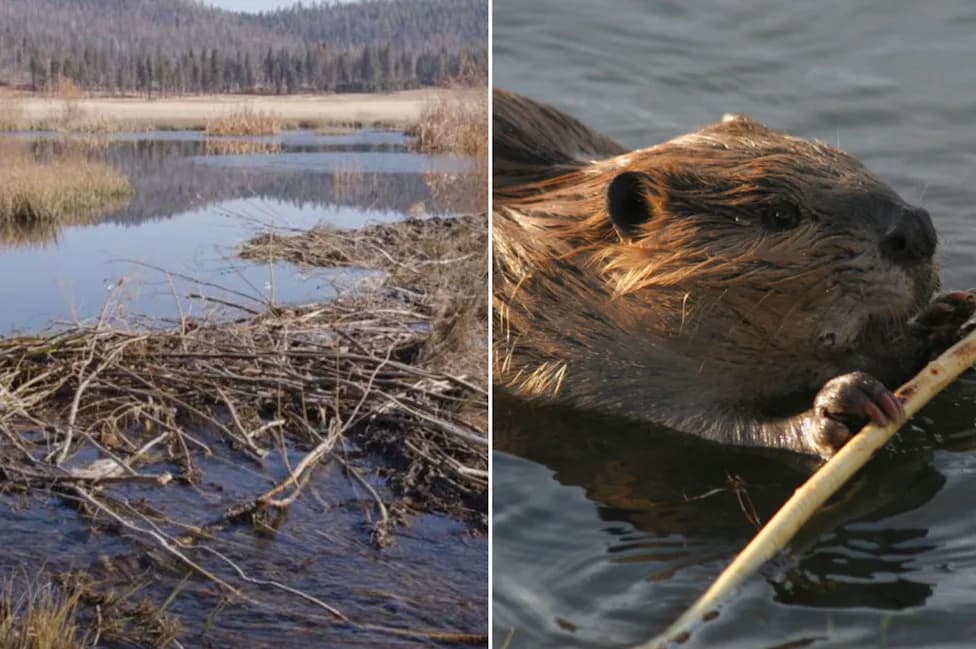
Beaver dams slow flowing water, creating ponds and wetlands that provide refuges for fish and other aquatic life when nearby channels run dry. Their engineering improves water retention, raises water tables, enhances nutrient storage and supports richer riparian vegetation—changes that can also reduce wildfire risk by restoring moist corridors across the landscape. Because of this outsized effect, beavers are widely regarded as a keystone species.
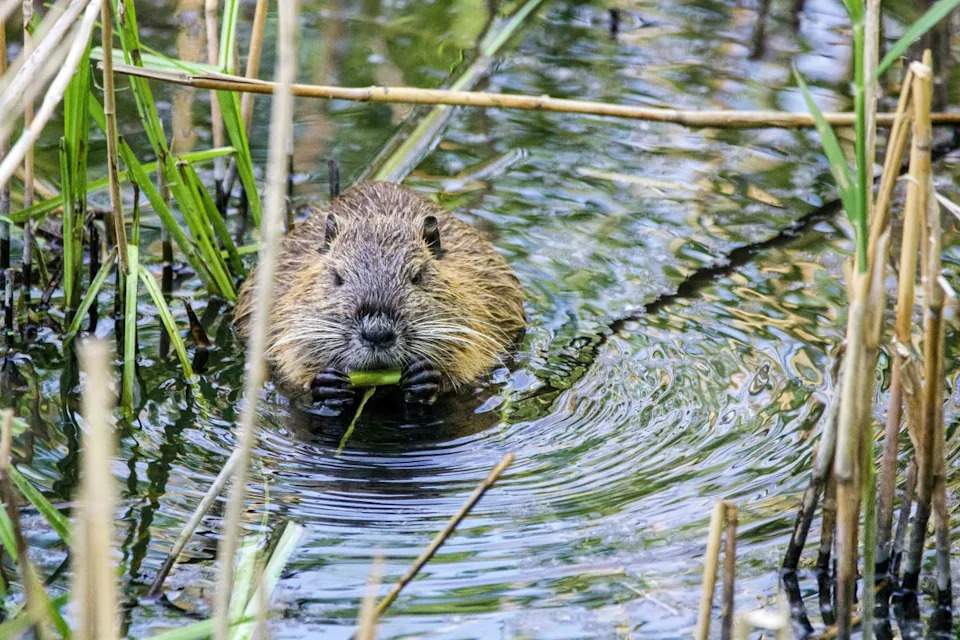
Beaver in water.Photo by Svetozar Cenisev on Unsplash
How the Project Worked
Doden and colleagues captured beavers that had been removed from other locations because they were deemed nuisances or because they threatened infrastructure. After brief quarantine and health checks, many animals were released into targeted stretches of the Price River and other sites. Not every translocated beaver survived or stayed; some dispersed, were lost to predation, or failed to adapt. Still, enough individuals established territories and built dams that researchers could begin to measure ecological change.
Measured Results
By 2025, monitoring showed meaningful improvements along sections of the Price River. Water levels were more robust than they had been in years, fish populations were recovering, and riverside recreation in the town of Helper — kayaking, tubing and fishing — had rebounded, helping local businesses. A 2025 column in The Salt Lake Tribune credited the river’s recovery with supporting the town’s revitalized recreation economy.
Restoration was not the result of beaver activity alone. Federal investments in cleanup removed debris and repaired or removed failing human-built structures, while new grazing regulations reduced pressure on streamside vegetation. Nevertheless, experts involved in the work say the beavers’ dam-building was a major driver of recovery.
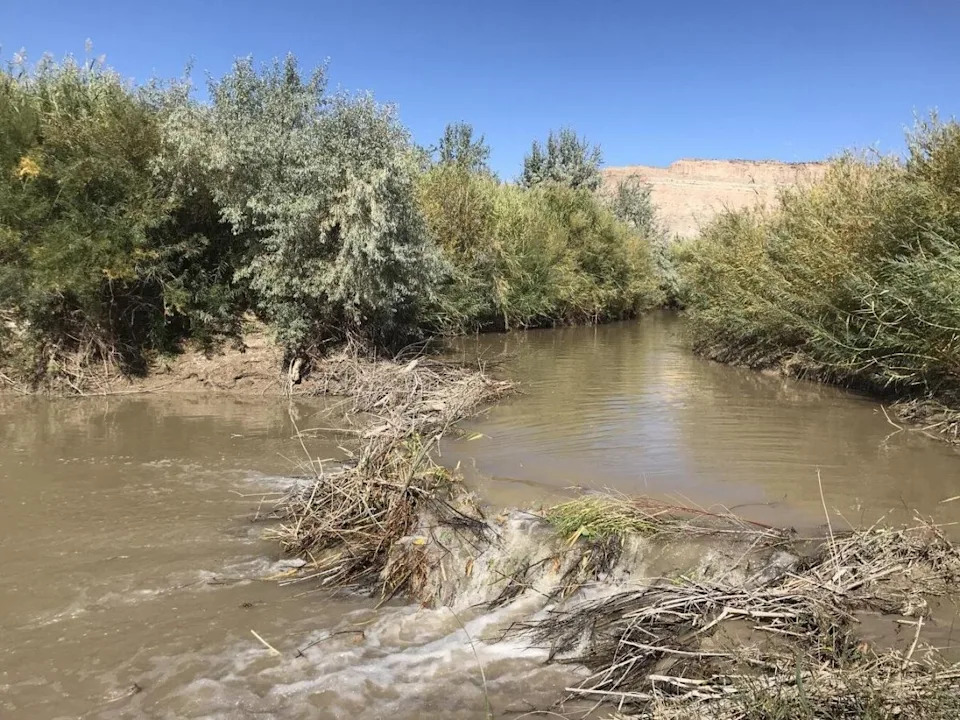
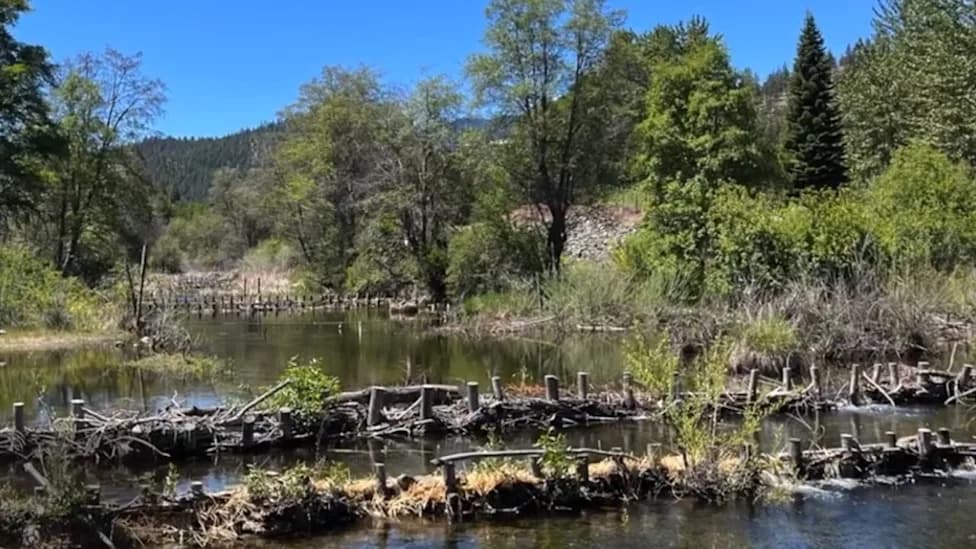
An actual beaver dam on the now-thriving Price RiverPublic Domain
Scaling the Approach
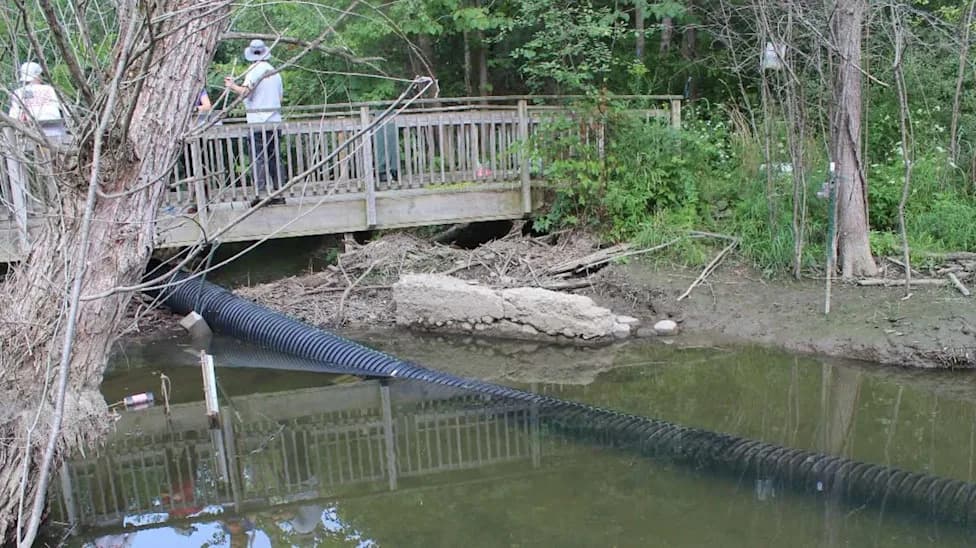
Similar interventions are underway elsewhere in Utah. Conservation teams are pairing beaver relocation with construction of artificial beaver dams to jump-start wetland formation until beavers colonize sites naturally. The San Rafael River is one notable example: after a flood brought beavers back to a stretch of the river, reporting by KUER found riparian habitat in that area increased by about 230% and flow patterns became more diverse.
From Near-Extinction to Ecosystem Partner
Beavers nearly vanished during the fur trade and later suffered because they were labeled pests. Improved conservation, changing attitudes and active management have allowed populations to rebound in many places. The Price River project highlights how restoring a single, industrious species can help heal a fragile watershed and deliver social and economic benefits to nearby communities.
“Beaver engineering can be an effective, low-tech tool to increase water resilience in drought-prone landscapes when combined with broader watershed management.”
Sources: Utah State University project reports, reporting in The Salt Lake Tribune and KUER.
Help us improve.