In July, Houston police fired dozens of rounds that totaled Abigail Trujillo’s Nissan Altima while officers pursued a suspect. The city rejected her claim for compensation, saying it "regret[s] your inconvenience" but offering no payment. The case echoes other disputes in Texas — notably Vicki Baker’s long legal fight over SWAT damage to her home — and raises unresolved legal questions about whether the Takings Clause or state constitutions require municipalities to compensate civilians whose property is harmed during police operations.
Houston Police Shot an Innocent Student’s Car — City Refuses Compensation. Why?
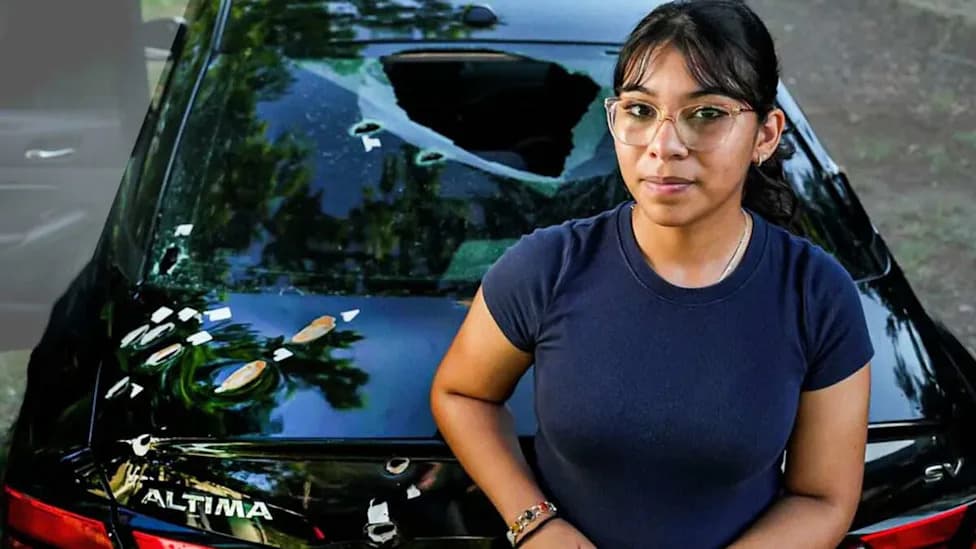
Abigail Trujillo in front of her totaled vehicle Brett Coomer/Houston Chronicle
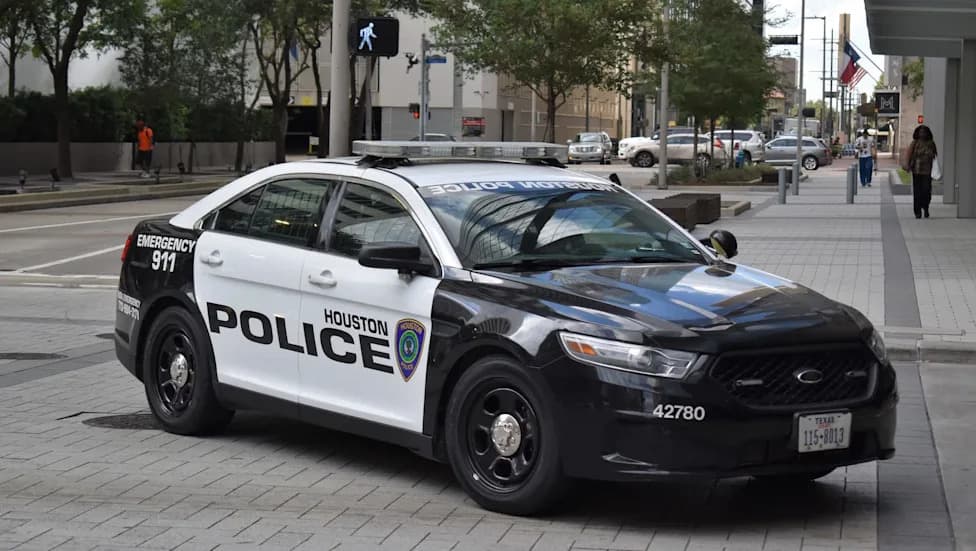
In July, Houston police fired dozens of rounds that struck and ultimately totaled a Nissan Altima belonging to Abigail Trujillo, a University of Houston student. Trujillo was working at a shopping center when officers fired while attempting to apprehend a suspect identified as Jamarcus Spates. The vehicle was rendered unusable by the gunfire.
When Trujillo sought reimbursement from the City of Houston for the destroyed car, municipal attorneys rejected her claim. In a terse response, city lawyers wrote that they "regret your inconvenience in this matter" yet offered no compensation.
"I feel stuck in the middle here," Trujillo told the Houston Chronicle. "This is a huge financial burden. And I wasn't done paying off that car, so I still have to make those payments while finding a new one."
Not an Isolated Problem
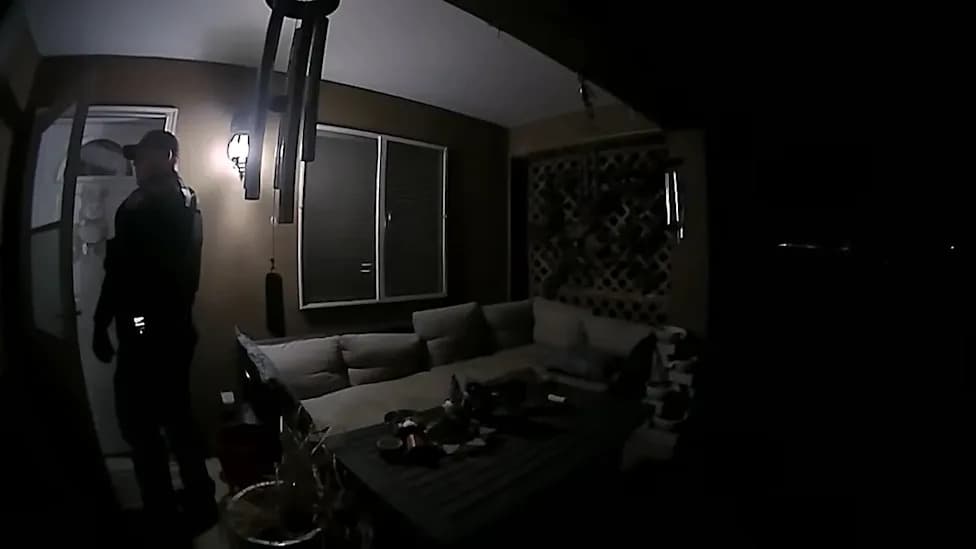
Trujillo's case is part of a pattern in which municipalities deny compensation when police actions damage private property during pursuits, raids, or exigent operations. One high-profile example occurred in McKinney, Texas, in 2020, when a SWAT operation fired dozens of tear-gas canisters into Vicki Baker’s home and used an armored vehicle to breach the front door while trying to capture a barricaded suspect.
Baker sought payment from the city and was refused; her homeowner's insurance likewise denied coverage citing a government-action exclusion. A jury awarded Baker roughly $60,000 in 2022, but federal appellate courts later grappled with whether police acts taken during emergencies fall within constitutional protections that exempt such takings. More recently, courts have recognized that Baker is entitled to roughly $60,000 plus interest under the Texas Constitution.
Why This Matters: The Legal Debate
The core legal conflict centers on the Takings Clause of the Fifth Amendment, which requires "just compensation" when private property is taken for public use. Courts differ, however, on whether an exception applies when property is damaged incident to police action or an emergency law-enforcement operation, and on how state constitutions (like Texas's) may offer separate protections.
Legal advocates — including the Institute for Justice, which represented Baker — say these rulings should prompt municipal governments in Texas to reassess and fairly compensate victims. Jeffrey Redfern of the Institute for Justice has argued that local governments have sometimes ignored binding state-court guidance on SWAT-related damage.
City Response
Houston Mayor John Whitmire has said city attorneys followed the law in Trujillo's case but indicated he would make an exception: he coordinated with the police union to replace her car and asked city officials to review prior claim denials. Advocates say that, for individuals, the financial and emotional costs are large while the fiscal impact on municipal budgets of paying such claims is usually modest.
Bottom line: The incident highlights ongoing questions about accountability, the boundaries of police authority in emergencies, and whether federal and state constitutions adequately protect civilians whose property is damaged during law enforcement actions.
Reporting on the Trujillo case was first published in the Houston Chronicle, and the story was featured by Reason Magazine.
Help us improve.