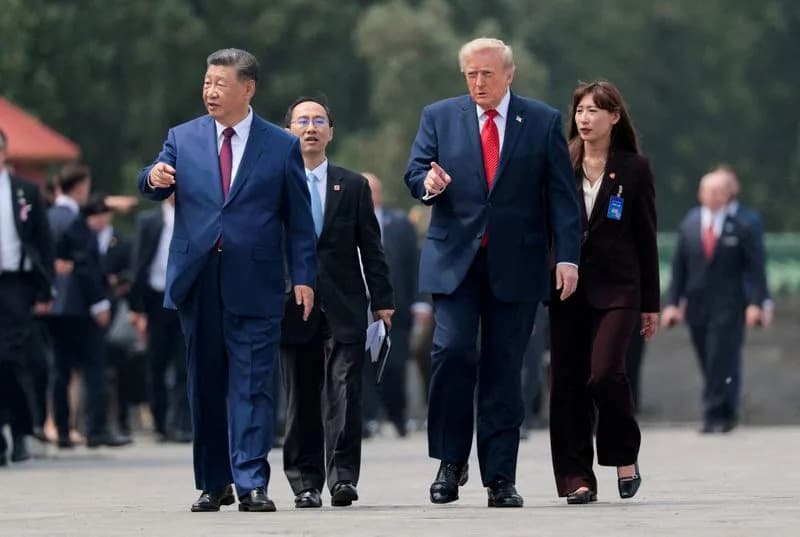
Nikki Haley warned that Xi Jinping may offer "false hope" of a more cooperative U.S.-China relationship while Beijing continues activities the U.S. views as hostile, including support for Russia and cyberattacks. John Bolton called the summit potentially little more than a "photo opportunity," expressing concern about concessions on Taiwan and the South China Sea and skepticism about negotiating AI with China. Xi urged cooperation and human control of AI, while Trump promoted "super intelligence." The private state dinner with tech leaders drew criticism from Senator Bernie Sanders.
Haley, Bolton Question Xi-Trump Summit: ‘False Hope’ or Mere Photo Op?
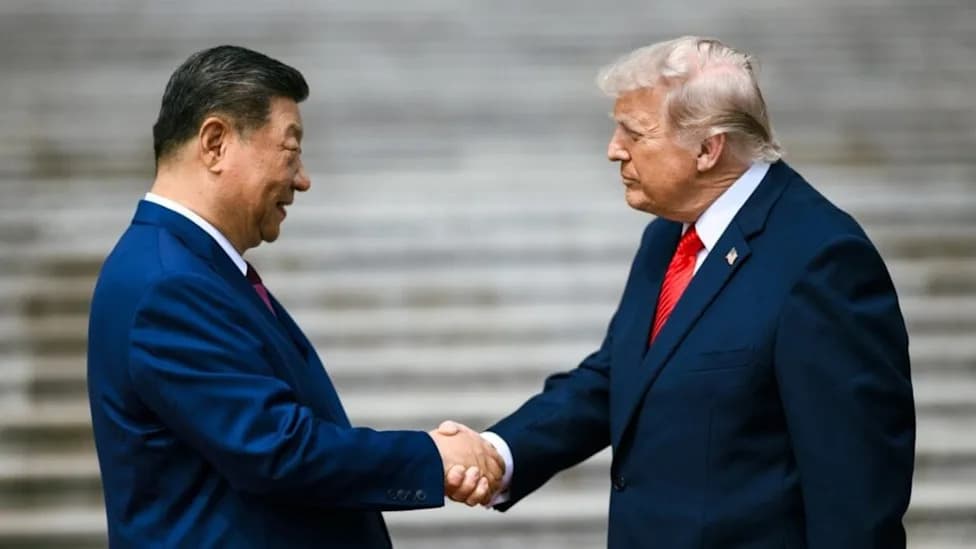
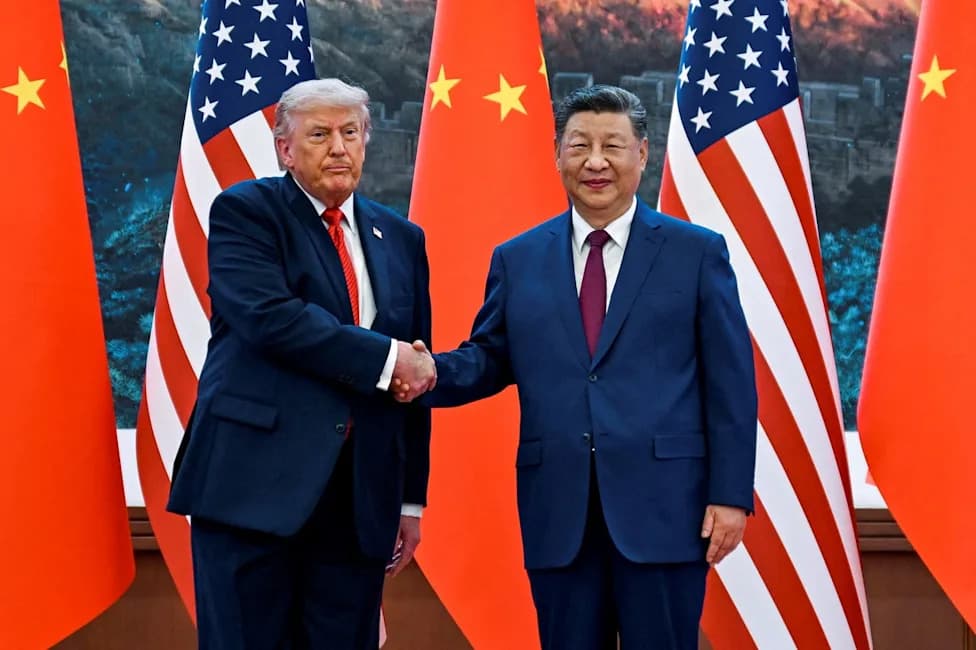
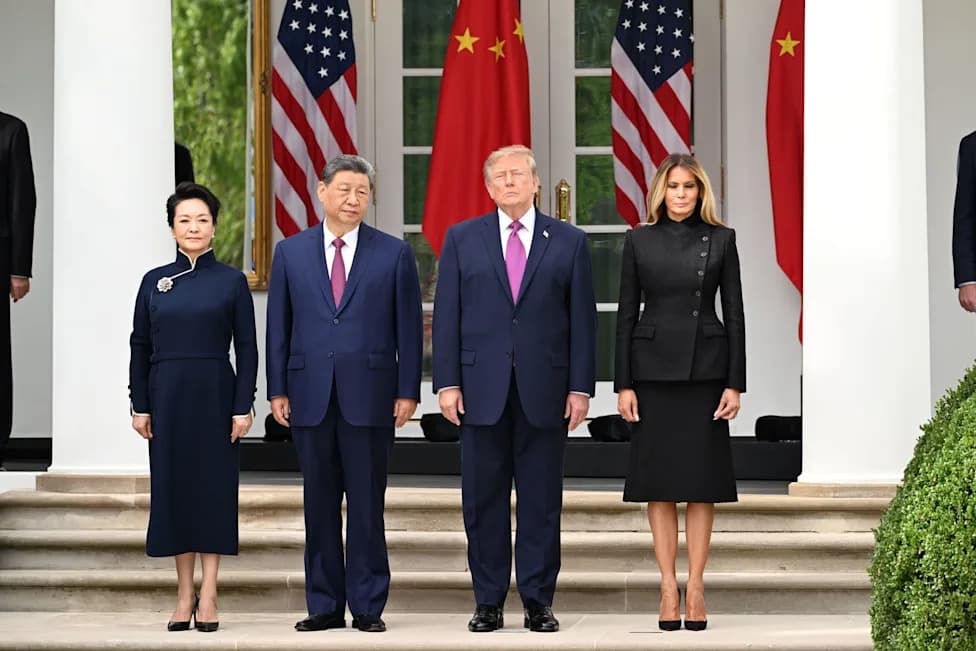
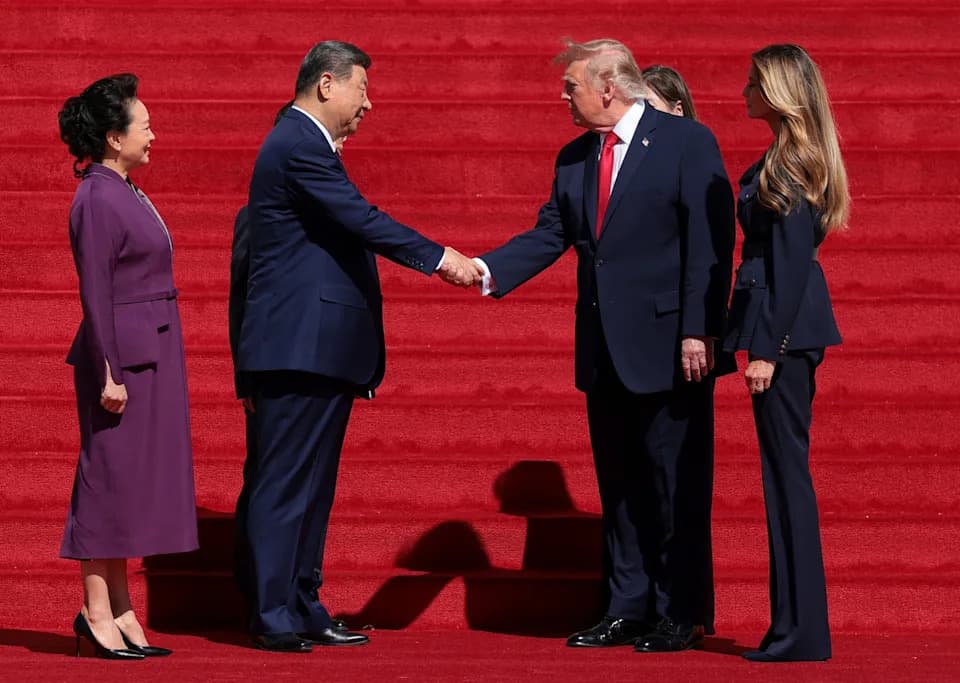
President Donald J. Trump participates in a welcome ceremony with President Xi Jinping of the People's Republic of China, Thursday, May 14, 2026 (Credit: Photo Courtesy: Rawpixel.com on Shutterstock.com)
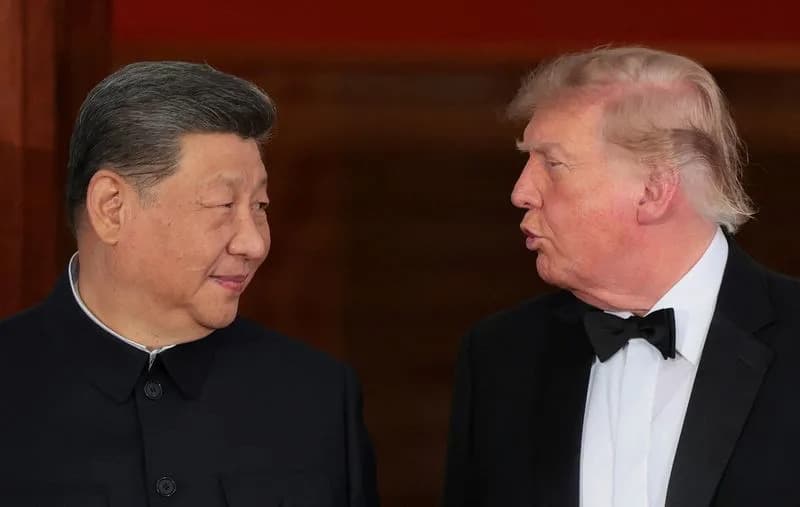
Former U.S. Ambassador to the United Nations Nikki Haley and ex-National Security Adviser John Bolton offered sharp critiques ahead of the summit between President Donald Trump and Chinese President Xi Jinping, warning that the meeting could produce more optics than substance.
U.S. Critics Warn Against Complacency
Haley posted on X on Sept. 24, 2026, that President Xi might try to offer Americans "false hope of a more cooperative relationship" even as Beijing "continues to fund Russia's war against Ukraine, support Iran in the war against us, and continue cyber attacks on America." She urged the administration to remain "clear eyed about their continued aggression against the US and our allies."
"Today President Xi will attempt to give false hope of a more cooperative relationship with the US..." — Nikki Haley (X post, Sept. 24, 2026)
Former Vice President Mike Pence also weighed in on X, calling China "the greatest economic and strategic threat facing the United States in the twenty-first century."
Bolton: Beware of Photo Opportunities
John Bolton warned that deals touted by the White House would be "meaningless unless they are accompanied by a national interest and actually come to fruition." In an interview on NewsNation, Bolton said the best outcome might be that "nothing happens" beyond a photo opportunity and expressed concern about potential concessions related to Taiwan and the South China Sea. He further described negotiating on artificial intelligence with China as "a fool's errand."
Xi’s Message and Trump’s Remarks
Xi told assembled officials that both nations "stand to gain from cooperation and will both lose in conflict," and argued that AI should remain "always under human control." President Trump, meanwhile, publicly promoted a concept he described as "super intelligence" during remarks around the summit.
Private Dinner, Tech Leaders and Political Backlash
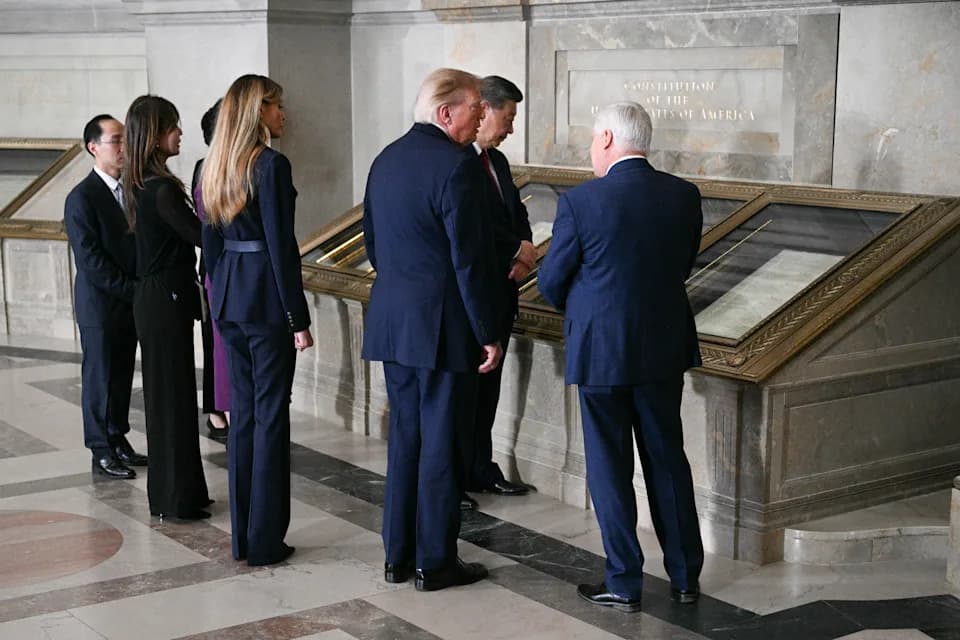
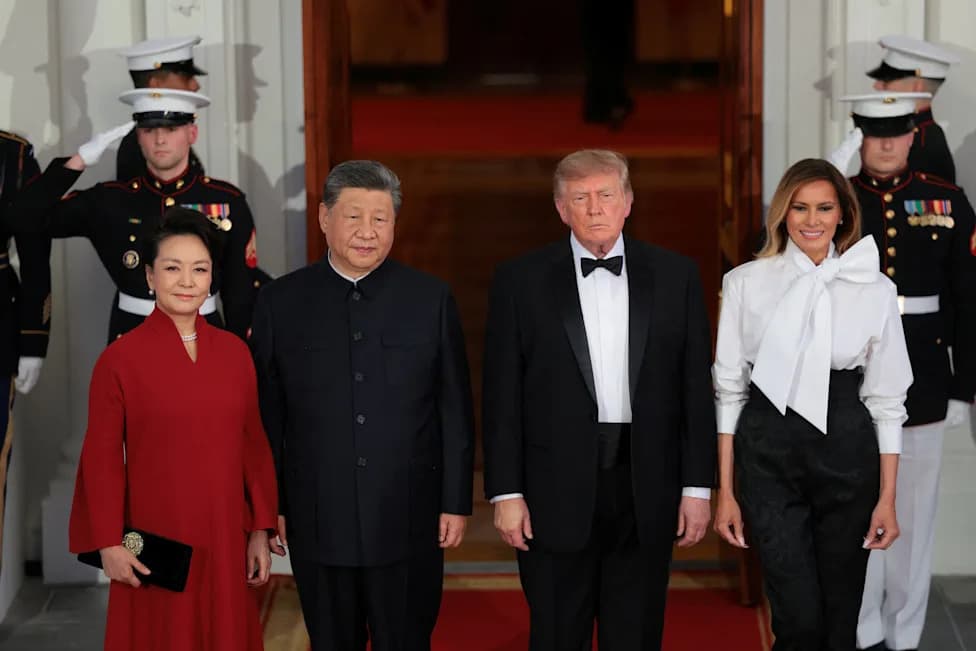
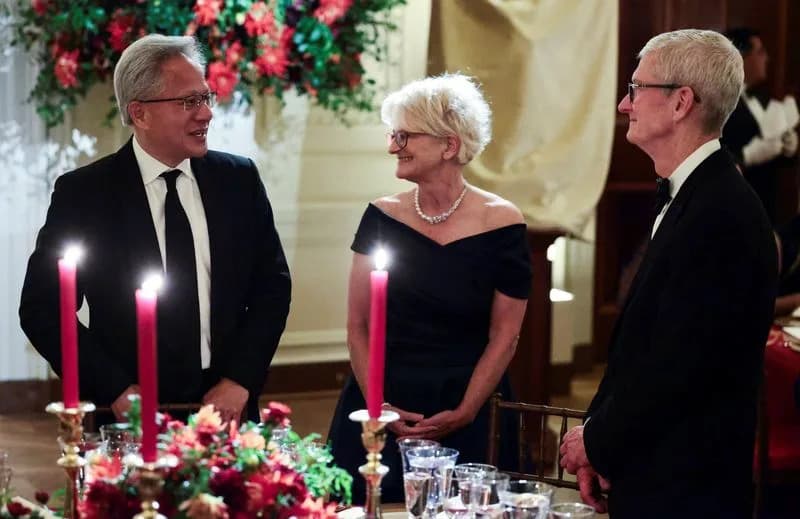
The summit included a private state dinner with about 134 guests, where President Trump presented Xi with an ornate bald eagle statue and a menu described as using American ingredients with "subtle Chinese influence." Senator Bernie Sanders criticized the inclusion of major tech executives at a private dinner with Xi — naming Elon Musk, Jeff Bezos, Tim Cook and Sundar Pichai — and noted their combined wealth has surged since Trump took office.
Why Analysts Are Watching
Observers say the test will be whether any agreements from the meeting are substantive and verifiable. Critics worry high-profile optics could mask concessions or policy gaps on critical issues such as Taiwan, the South China Sea, cyber security, and Beijing's relationships with Russia and Iran. Supporters argue diplomacy and dialogue can stabilize competition and reduce the risk of escalation.
Bottom line: Senior U.S. voices remain skeptical that the summit will produce meaningful, enforceable outcomes, and caution against treating symbolic gestures as strategic wins.
Help us improve.