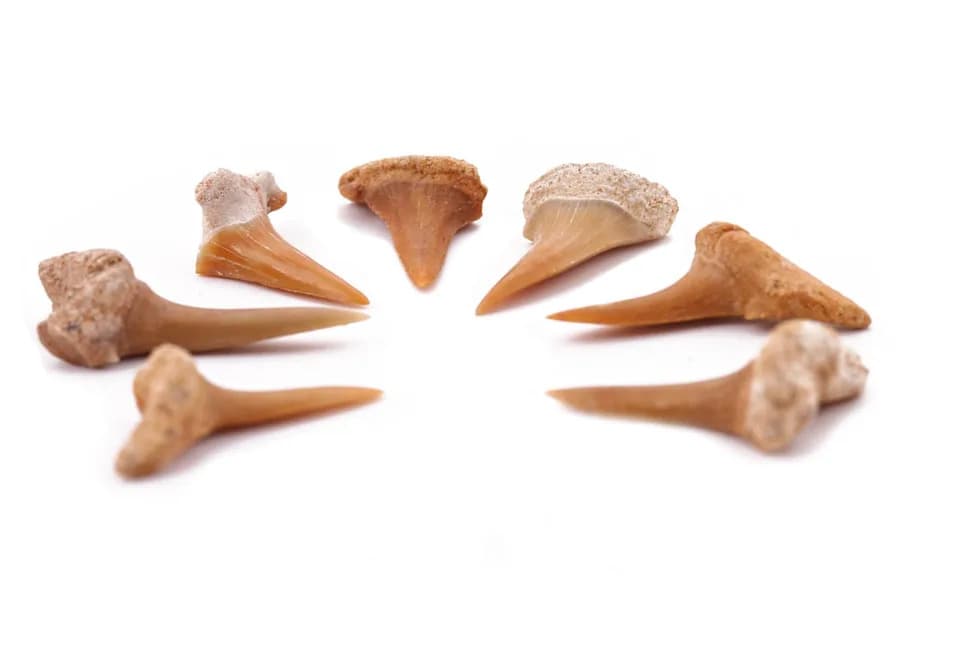
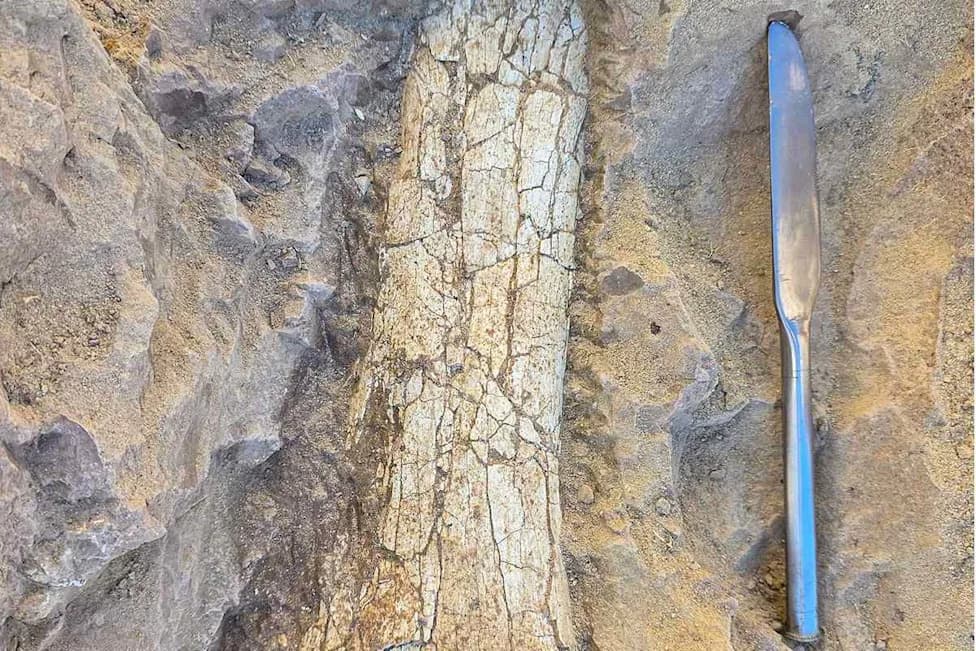
Researchers working in Mammoth Cave (Kentucky) and nearby Alabama rock layers have identified two new Carboniferous shark species, Troglocladodus trimblei and Glikmanius careforum, dating to about 325 million years ago. Each reached roughly 10–12 feet (3–3.6 m) and shows distinct adaptations — forked teeth in one and a powerful bite in the other — and both bore comb-like defensive spines. The finds highlight Mammoth Cave’s exceptional fossil preservation and the ancient inland sea that once covered much of North America.
Prehistoric Sharks Resurface After 325 Million Years: Two New Species Discovered in Mammoth Cave
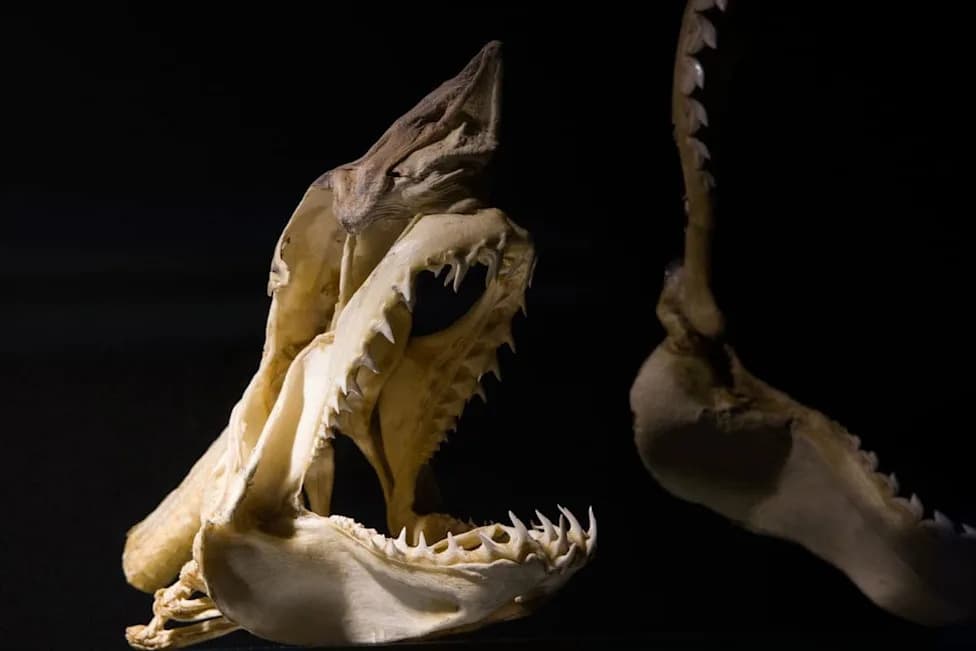
Prehistoric Sharks© iStock.com/enginakyurt11
Deep inside the winding passages of Mammoth Cave — the planet's largest cave system — paleontologists have uncovered fossil remains of two previously undescribed shark species that lived roughly 325 million years ago. The specimens were recovered from deposits in Kentucky's Mammoth Cave and from rock exposures in northern Alabama, offering a rare window into an aquatic world that predates the dinosaurs.
Exceptional Preservation Yields Detailed Fossils
Mammoth Cave's long, stable underground environment has protected delicate remains from surface erosion for hundreds of millions of years. Across some 420 miles of interconnected corridors and chambers, conditions underground have preserved anatomical detail that is often lost elsewhere, allowing researchers to study ancient forms with remarkable clarity.
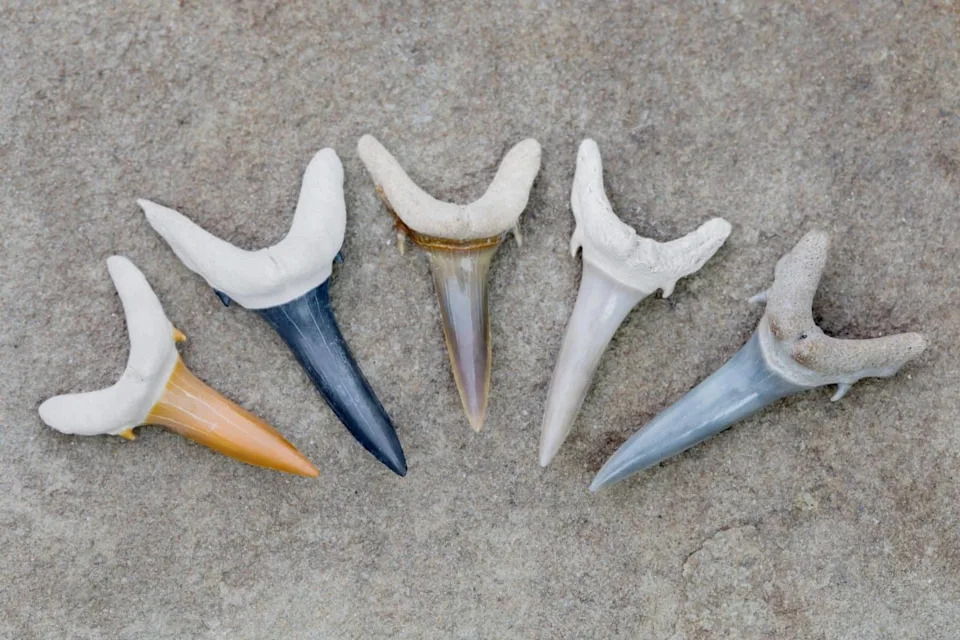
©Mark_Kostich/Shutterstock.com
Two New Carboniferous Sharks
The newly named species are Troglocladodus trimblei and Glikmanius careforum, both members of the ctenacanth group — distant relatives of modern sharks. The fossils, identified in May 2025, indicate individuals measured roughly 10 to nearly 12 feet (3 to 3.6 meters), placing them among the larger predators of their time.
Each species appears to have evolved different specializations: Troglocladodus trimblei had fork-shaped teeth that may have helped it catch specific prey, while Glikmanius careforum shows features consistent with a very powerful bite, suggesting a broader dietary range. Both species bore comb-like, barbed dorsal spines that likely served as defensive structures against larger predators.
©Mark_Kostich/Shutterstock.com
How Marine Fossils Ended Up Underground
Although it may seem surprising to find marine fossils deep in an inland cave system, the bedrock that now forms Mammoth Cave was deposited on the floor of an inland sea during the Carboniferous Period. Over hundreds of millions of years, tectonic shifts and the assembly of the supercontinent Pangea reshaped shorelines; marine sediments and their fossil contents were buried and lithified into limestone, which later became the subterranean labyrinth we see today.
Context and Significance
The new discoveries add to a string of remarkable finds from the region — researchers previously recovered a shark from the same cave complex dated at about 330 million years and comparable in size to a modern great white. Fossil evidence also suggests behavioral parallels with some modern species (for example, lemon and gray sharks), indicating these ancient predators likely patrolled shallow coastal waters and hunted near shorelines much like their modern counterparts.
Fossil sites such as Mammoth Cave are not only geological wonders but vital archives of life’s history. Discoveries like these deepen our understanding of early shark evolution and underscore the importance of protecting sites that preserve our planet’s natural heritage.
Help us improve.