Sen. Ted Cruz argues that the U.S. competition with China over artificial intelligence has become a critical economic and strategic issue and warned of coordinated influence efforts aimed at shaping data center and AI policy. OpenAI said it banned two clusters of ChatGPT accounts likely originating in China after they were used in apparent covert influence operations. Cruz urged policies that preserve American values—such as free speech, privacy and free enterprise—in AI development while criticizing what he calls industry rent‑seeking and ideological influence on policy.
Cruz: Winning the AI Race Against China Is America's 'Single Most Important Economic Question'
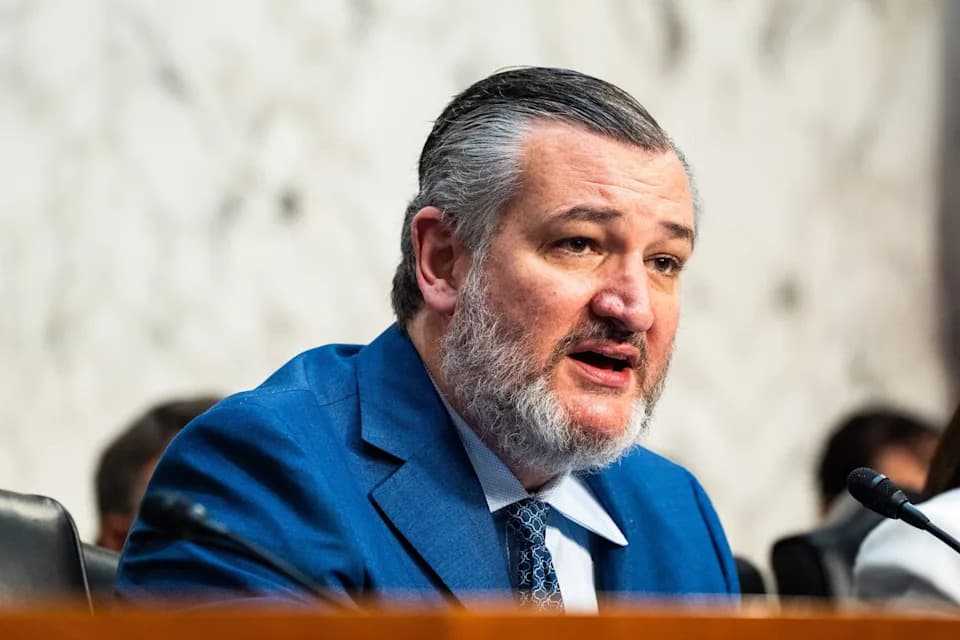
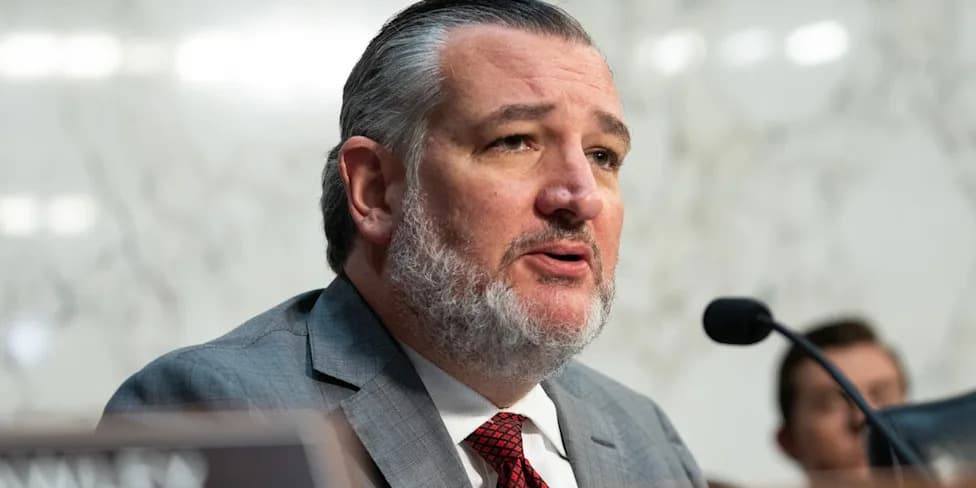
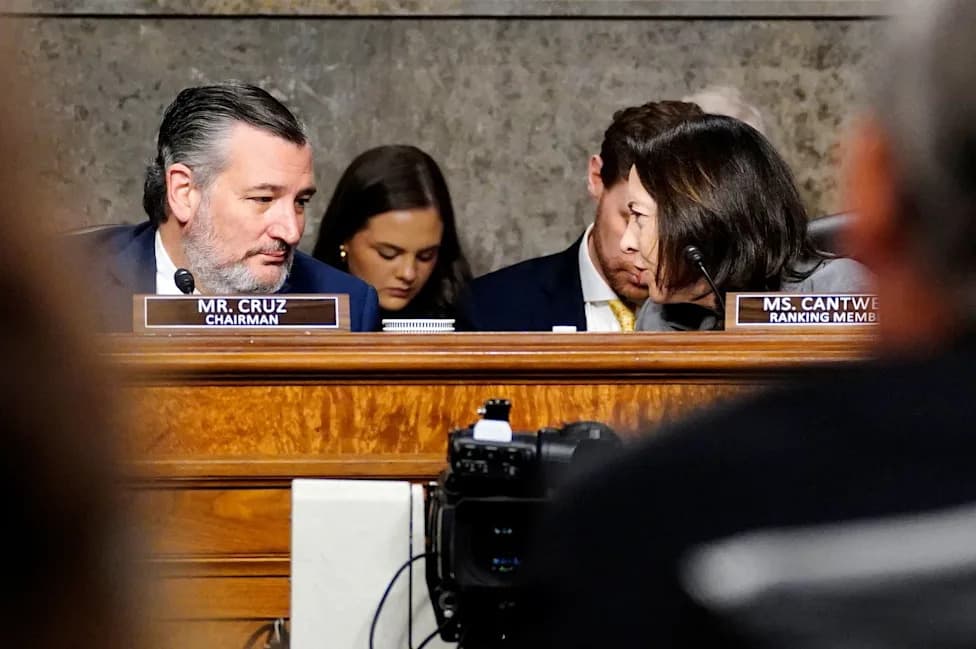
US Senator Ted Cruz (R-TX) speaks during a Senate Commerce, Science, and Transportation Committee hearing on Capitol Hill in Washington, DC on Thursday May 8, 2025. The witnesses include CEO of OpenAI Sam Altman, Chair and CEO of Advanced Micro Devices Inc. (AMD) Lisa Su, Co-founder and chief executive officer of CoreWeave Inc Michael Intrator, and President of Microsoft Corp. Brad Smith.
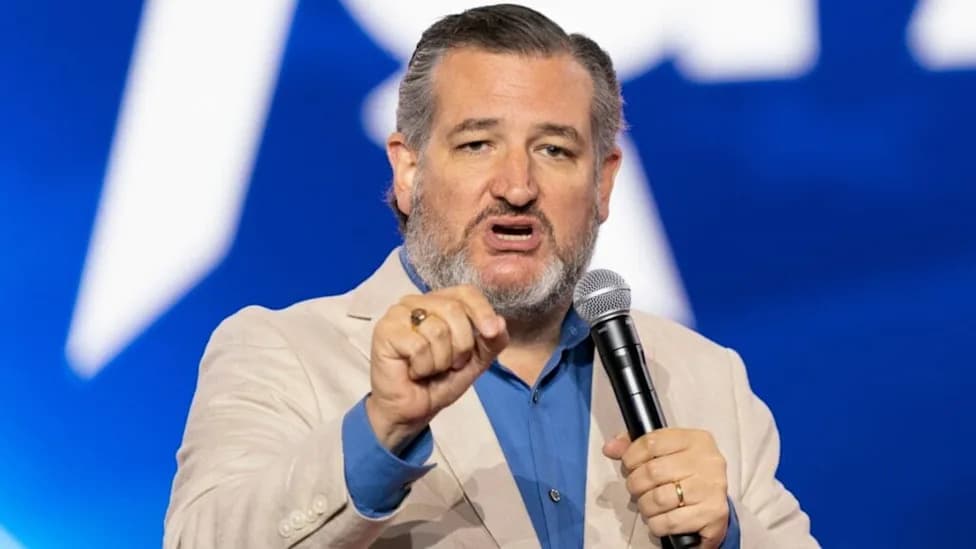
Sen. Ted Cruz (R-Texas) warned that the United States’ competition with China over artificial intelligence has become a high-stakes contest shaped by what he described as coordinated influence campaigns. As debates over data centers and AI policy move from Capitol Hill into neighborhoods across the country, Cruz urged stronger U.S. policy to ensure American values guide AI development.
Concerns About Influence Campaigns
Cruz, who chairs the Senate Commerce Committee, said much of the recent public opposition to data-center projects reflects an organized, well-funded effort to shape policy. He compared it to foreign efforts that opposed domestic energy development in order to benefit exporters, saying the same tactics could be used to persuade Americans to rely on foreign AI infrastructure.
“It’s the same reason we saw Middle Eastern countries paying for anti-fracking movements. If they can convince America, ‘Don’t develop your oil and gas, just buy it from us,’ that’s great for them and terrible for us. The same is true on data centers. If they can convince Americans, ‘You don’t want data centers here, you want to just rely on the Chinese for AI,’ that’s great for China, and it’s terrible for America.”
OpenAI Action And Evidence
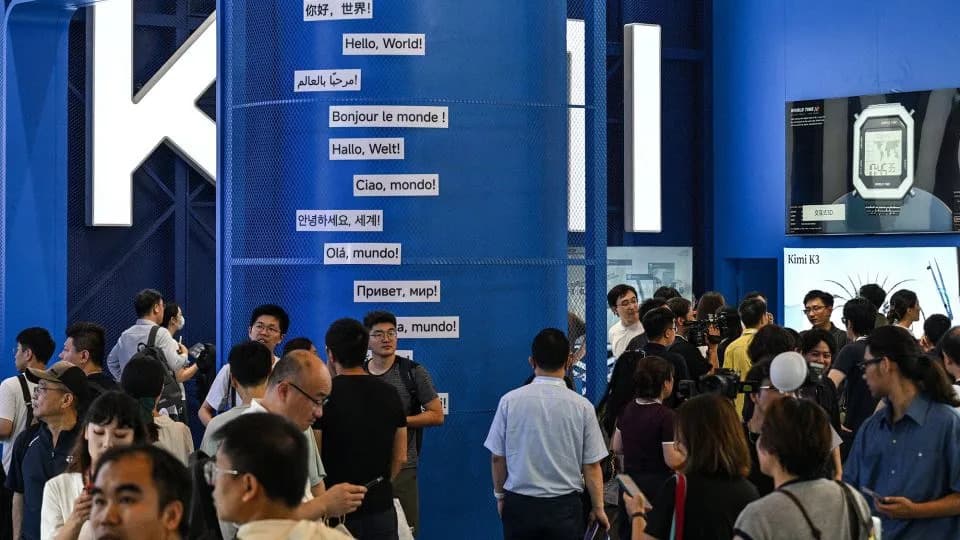
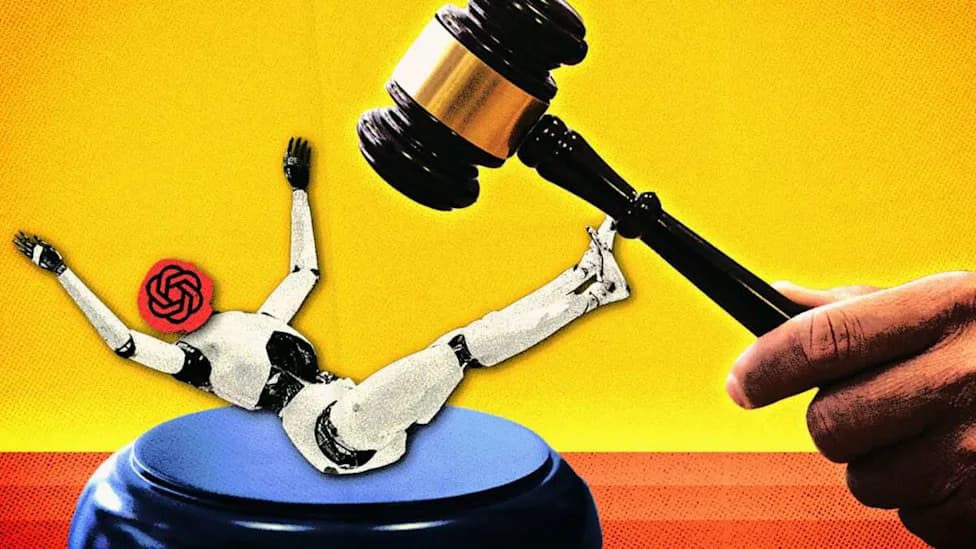
While Cruz warned about foreign influence, no public evidence has been produced showing direct Chinese government funding for U.S. data-center policy campaigns. In June, OpenAI said it had banned two clusters of ChatGPT accounts it believed likely originated in China after determining those accounts were used in apparent covert influence operations. According to OpenAI, the accounts generated social posts and images advancing narratives—such as claims that data centers raise local electricity costs—intended to shape the public debate.
OpenAI said it shut down “two clusters of ChatGPT accounts likely originating from China that [OpenAI] banned after they used our models in support of apparent covert influence operations that promoted narratives in an attempt to manipulate a legitimate debate about American AI and wider tech policies.”
Why the AI Race Matters, According to Cruz
Cruz described the outcome of the AI competition as “the single most important economic question facing America today.” He drew a stark contrast between how AI might be used under Chinese influence versus American leadership:
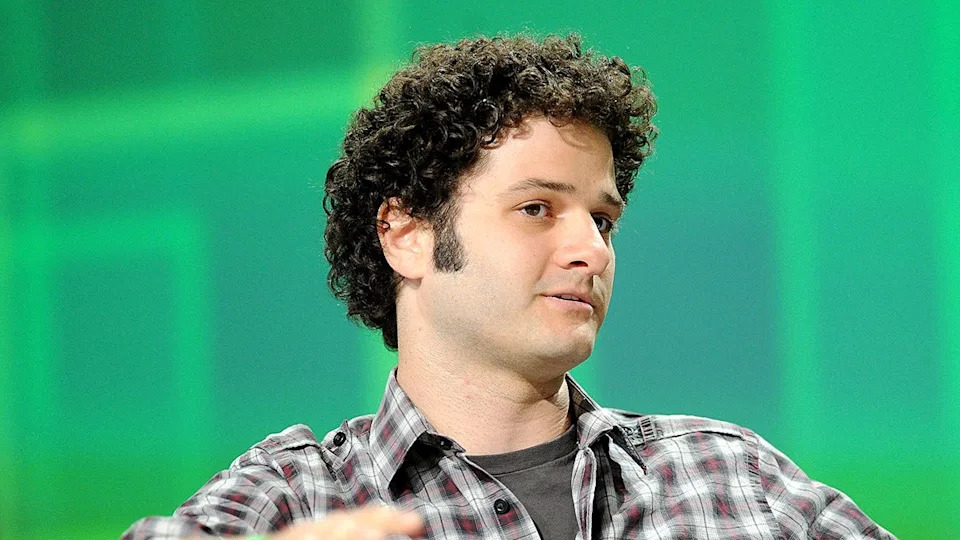
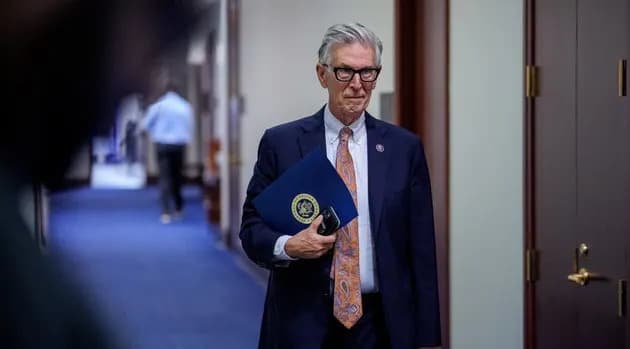
Dustin Moskovitz, co-founder of Facebook Inc., speaks at the TechCrunch Disrupt conference in San Francisco, California, U.S., on Monday, Sept. 12, 2011.
“If China wins, AI will be focused on espionage and propaganda and control and surveillance, because that’s the Chinese Communist Party. It will be their values. They will use AI to try to control you. If America wins, I want American values to be reflected in AI. I want free speech and individualism and free enterprise and privacy to be reflected in AI, not control and power.”
Domestic Politics And Funding
Cruz argued that skepticism about expanding AI infrastructure has become a prominent position among Democrats and that some large AI companies seek close government ties and regulatory protections. He characterized these dynamics as rent-seeking—companies seeking government policies that entrench their market advantages.
The senator also linked the debate to the tech movement known as effective altruism. Commentators such as Parker Thayer of the Capital Research Center have tied effective altruism to so-called “AI doomerism,” a perspective focused on catastrophic AI risks. Cruz attributed political motives and ideological aims to some supporters of tighter AI restrictions.
Funding For AI Policy And Safety
Philanthropic organizations tied to effective altruism have increased funding for AI safety and policy. Coefficient Giving (formerly Open Philanthropy), founded by Dustin Moskovitz and Cari Tuna, reported $168 million committed to AI safety and related efforts in 2024 and $351 million in 2025. The organization said it expects to commit more than $1 billion to AI policy advocacy in 2026. Coefficient Giving describes its interests as including effective altruism, global catastrophic risk, biosecurity, and forecasting.
Recent Congressional Hearing
On May 8, 2025, Cruz participated in a Senate Commerce, Science, and Transportation Committee hearing with witnesses that included OpenAI CEO Sam Altman; AMD Chair and CEO Lisa Su; CoreWeave co‑founder and CEO Michael Intrator; and Microsoft President Brad Smith. The hearing highlighted congressional attention on AI’s economic, security, and infrastructure implications.
The debate over AI and data centers touches national security, economic competitiveness, energy and infrastructure planning, and the role of philanthropy and private companies in shaping public policy. Observers on different sides of the debate stress both the risks of unchecked AI development and the strategic need for U.S. leadership in the technology.
Help us improve.