Senator Ted Cruz warned that the U.S. and China are in a decisive race to develop and dominate artificial intelligence, calling the outcome "the single most important economic question facing America today." He said the winner will attract massive investment and jobs and will shape the values embedded in AI systems. Cruz cautioned that a Chinese victory could enable expanded surveillance and control, criticized U.S. firms for rent-seeking, and singled out Anthropic and effective-altruism–linked groups for scrutiny. Treasury and congressional leaders have urged coordinated policies and guardrails as competition intensifies.
Ted Cruz: U.S. Must Win High-Stakes AI Race With China — "Single Most Important Economic Question Facing America"
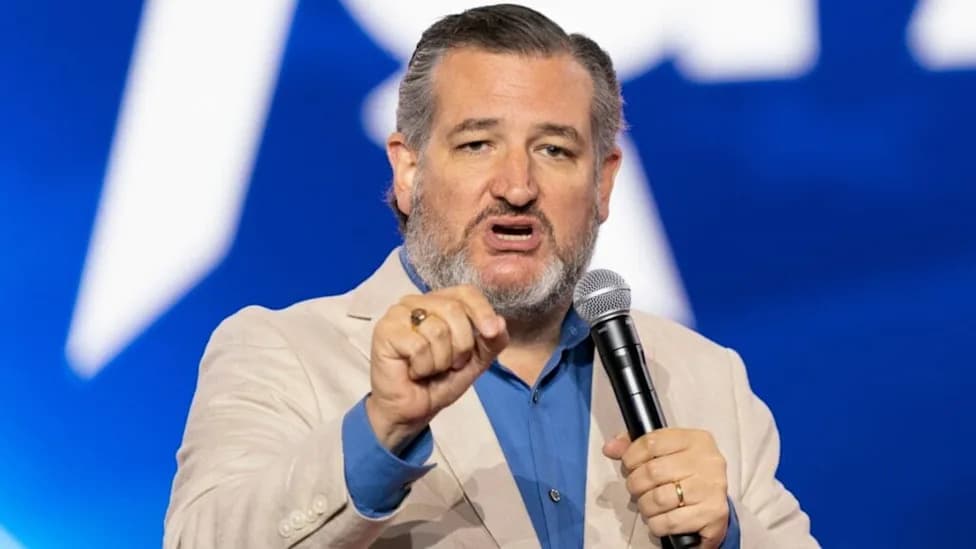
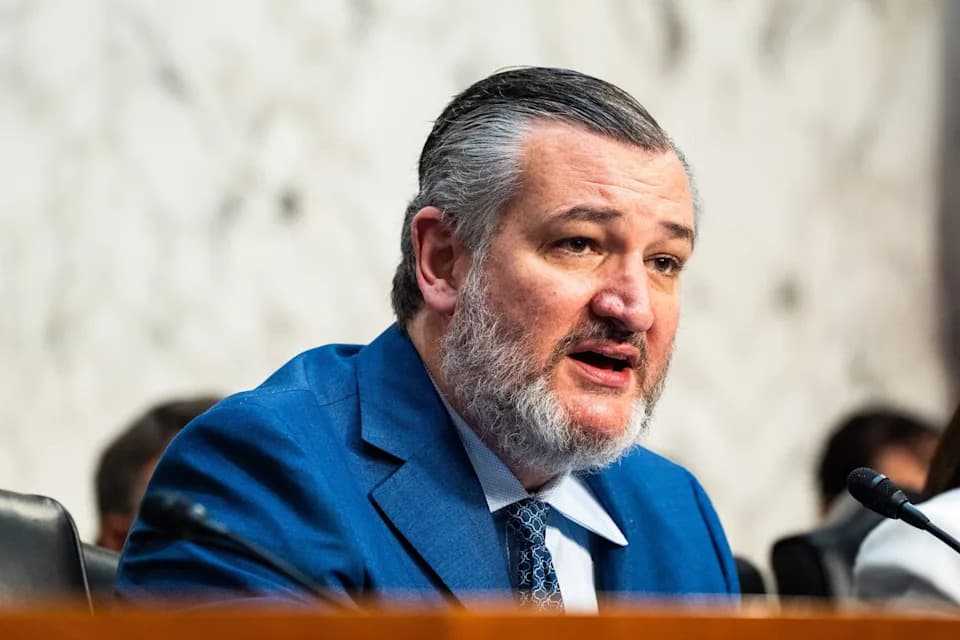
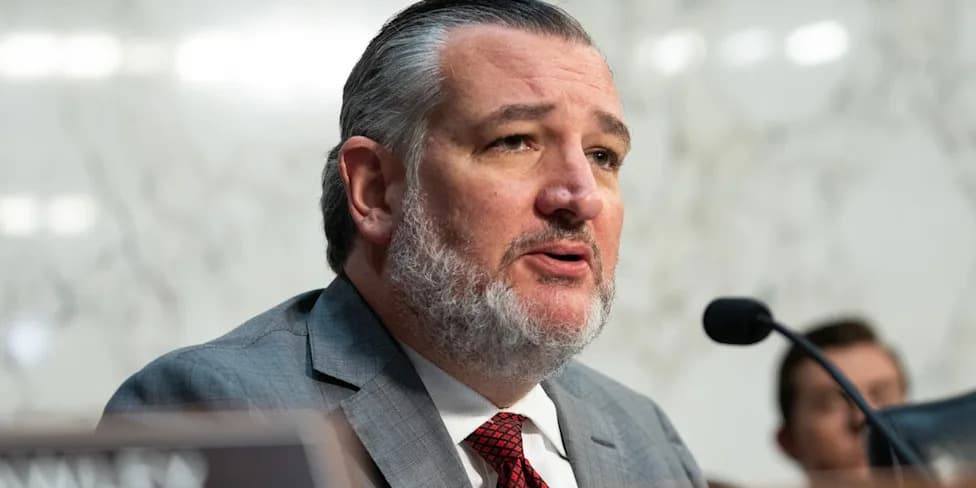
Ted Cruz speaks during CPAC Texas 2022 conference at Hilton Anatole (Credit: Ted Cruz | Photo courtesy: lev radin / Shutterstock.com)
Senator Ted Cruz (R-Texas) warned that the United States is locked in a consequential competition with China over artificial intelligence, saying the outcome will shape not only economic fortunes but the values embedded in the technology.
In a post on X on September 28, 2026, Cruz said the two nations are racing "to see who will develop AI first and who will dominate AI," asserting bluntly that "there's going to be a winner." He added that the victor will attract "trillions of dollars of new investment" and create "millions of new jobs," but stressed the stakes extend beyond money: "the values of the country that wins will suffuse AI."
"We are in a race with China to see who will develop AI first and who will dominate AI, and there's going to be a winner. It will either be America or China. And that question is the single most important economic question facing America today." — Senator Ted Cruz, X post, Sept. 28, 2026
Cruz warned that a Chinese victory could mean AI is used for "espionage and propaganda and control and surveillance," and argued American systems should reflect "free speech and individualism and free enterprise and privacy."
He also criticized parts of the U.S. AI industry, accusing some companies of seeking government favors to entrench market power. "What we're seeing is a money grab," Cruz said, invoking the concept of rent-seeking and warning that firms might push regulators to "set the rules so no one can compete with us."
The senator singled out Anthropic and organizations linked to effective altruism, suggesting they could use influence over policy to advance specific ideologies and limit dissent — a claim that has intensified debate about which stakeholders should help shape AI governance.
Washington and Industry Responses
Other officials have also emphasized the strategic stakes. Treasury official Scott Bessent said the U.S. has sought a "shared vision of common goals and common threats" with China on AI and proposed a bilateral notification mechanism for AI incidents with potential national security implications.
House Speaker Mike Johnson (R-La.) has urged carefully designed AI guardrails that reduce harm while preserving American innovation and technological leadership. Industry leaders have weighed in as well: SpaceX CEO Elon Musk recently called China "by far" the strongest AI competitor, echoing concerns about long-term strategic rivalry.
What This Means
The debate underscores competing priorities: accelerating AI development to maintain economic and strategic advantage, while designing governance that protects civil liberties, prevents misuse, and avoids entrenching dominant firms. As lawmakers, regulators and companies debate policy, the question of how to balance competition, national security and democratic values will remain central.
Help us improve.