Kabir Maharjan, a 45-year-old Nepali hydropower worker, was rescued from a tunnel 10 days after being trapped by floods triggered by a glacial collapse on August 26. The disaster has killed more than 1,400 people and left over 5,000 missing, with government estimates putting reconstruction costs at around $4.8 billion. Maharjan, still recovering from injuries, says he hopes to return to work and help rebuild his community. Aid groups warn the humanitarian crisis is ongoing and urge urgent recovery steps to avoid deeper poverty.
Pulled Alive After 10 Days: Nepali Hydropower Worker Vows to Help Rebuild After Devastating Glacial Floods
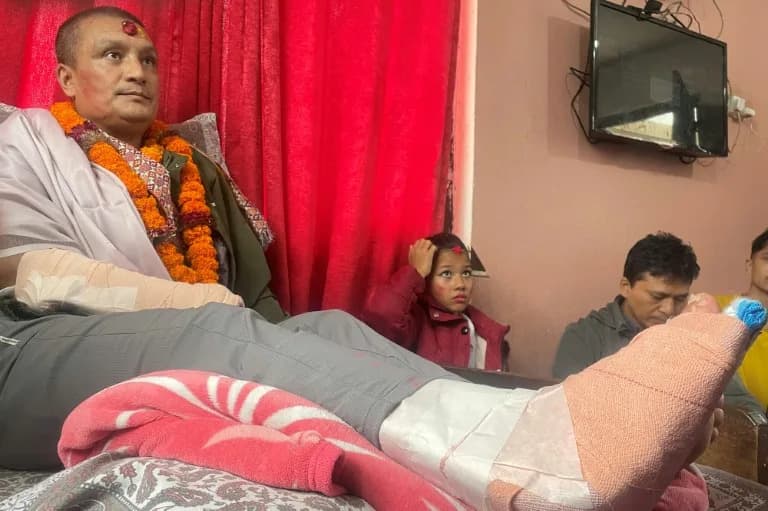
Nepali flood survivor Kabir Maharjan, who was rescued from a hydropower project tunnel, takes part in an interview with AFP at his home in Kirtipur on September 25, 2026, after being discharged from hospital. (ANUP OJHA)
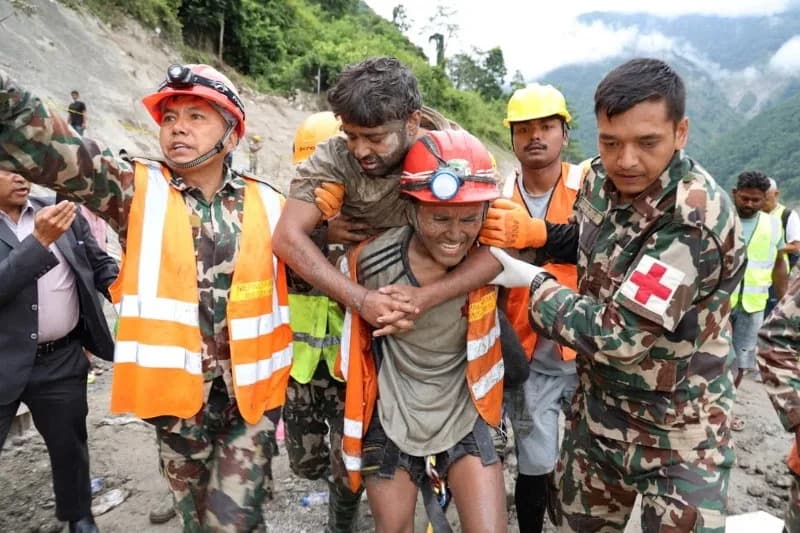
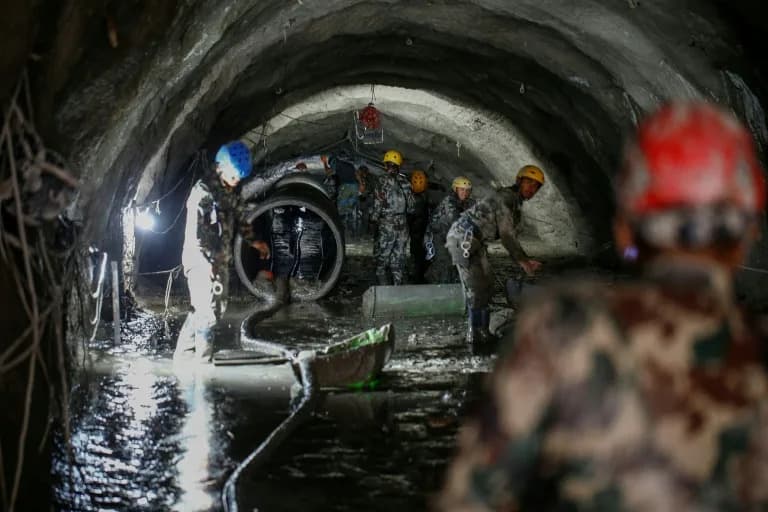
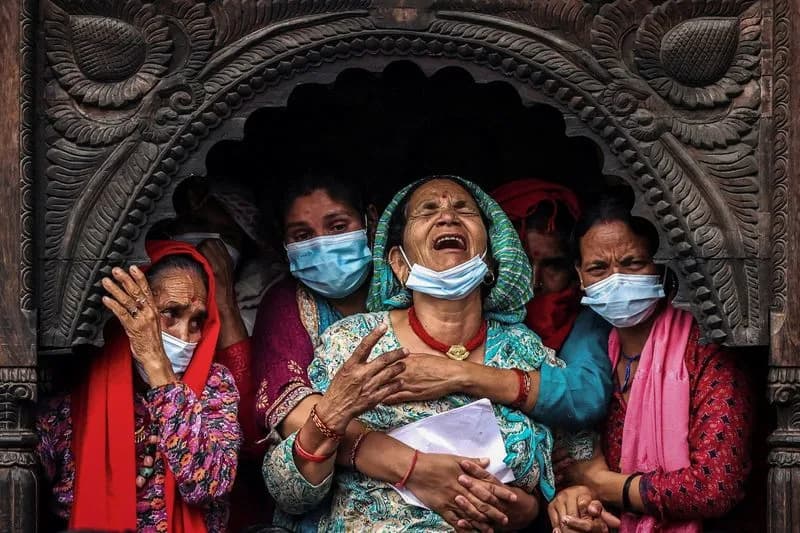
Kabir Maharjan, a 45-year-old hydropower worker, was pulled from a tunnel 10 days after catastrophic floods trapped him following a glacial mountain collapse near the China–Nepal border. He returned home to traditional music and tearful relatives after weeks of treatment in Kathmandu, and says he is determined to help his community as Nepal shifts from emergency relief to long-term reconstruction.
Survival and Rescue
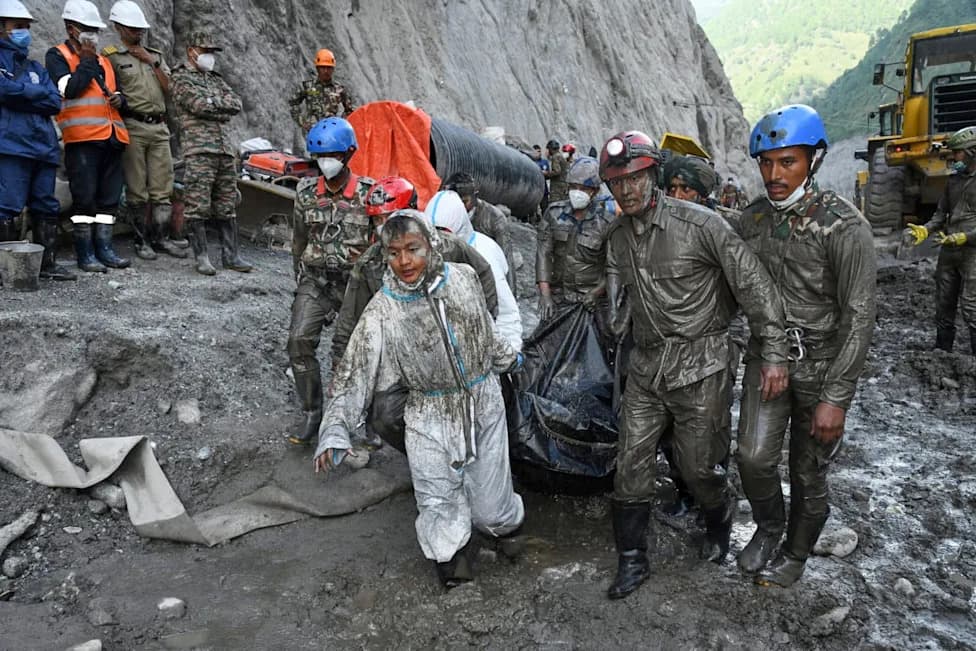
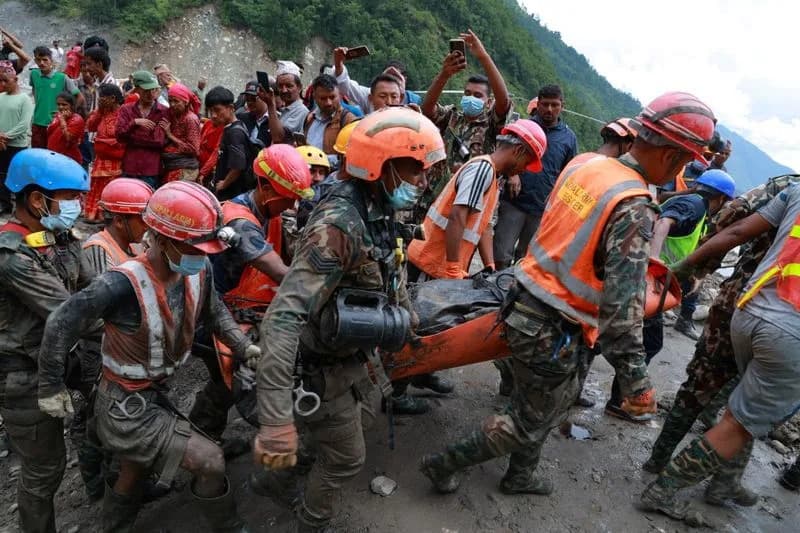
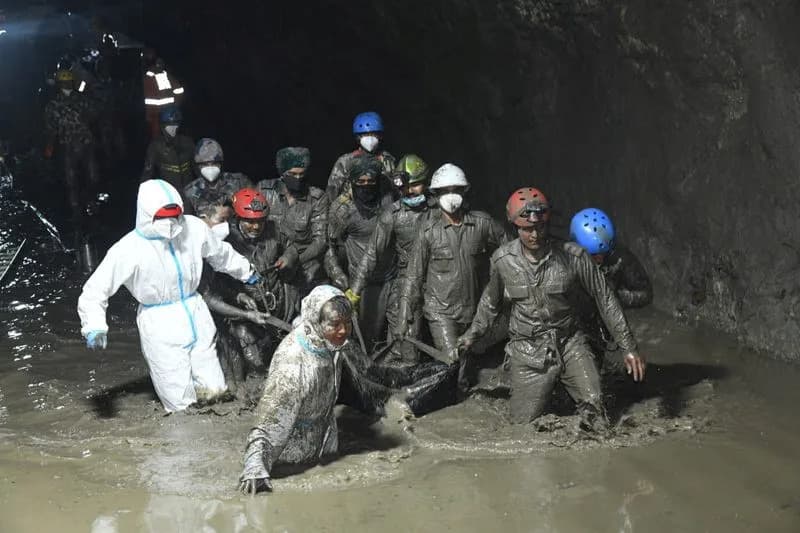
Maharjan says he survived by climbing to an upper floor of the tunnel complex and rationing water while he waited for help. He described the moment he heard rescuers as almost unreal: "I thought I imagined it. But I called out, and they answered." Maharjan was airlifted from Rasuwa district and rescued on September 4 alongside fellow worker Sanjay Sah.
"Life is precious. Hundreds of people have died but I survived. Perhaps I still have work to do for my society, for the country, and my home and family," Maharjan told AFP, his voice choked with emotion.
Scale of the Disaster
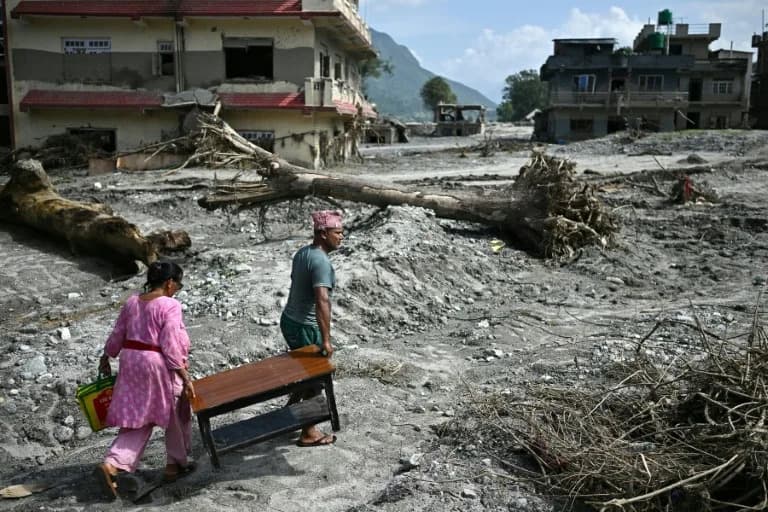
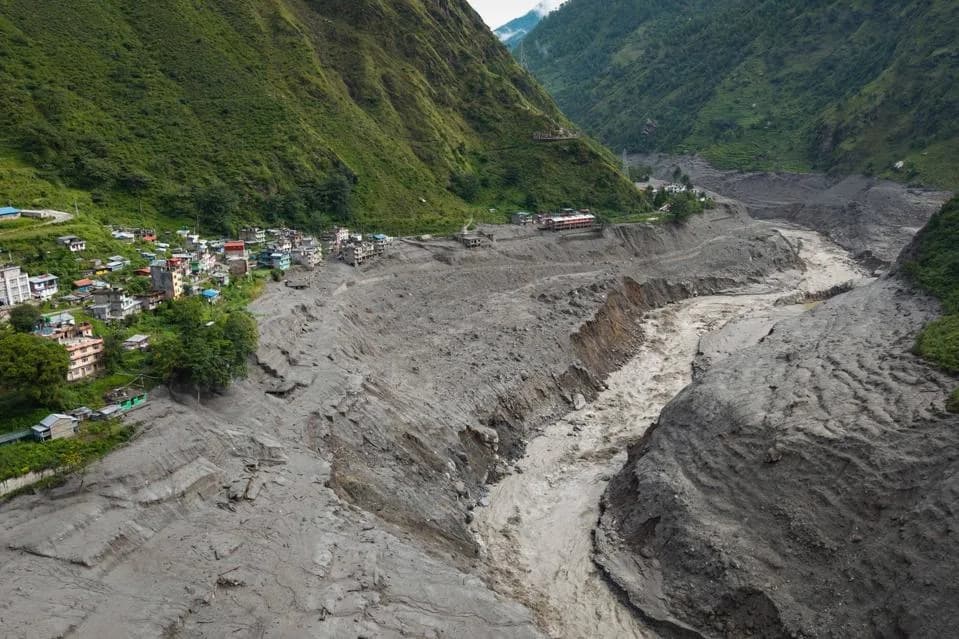
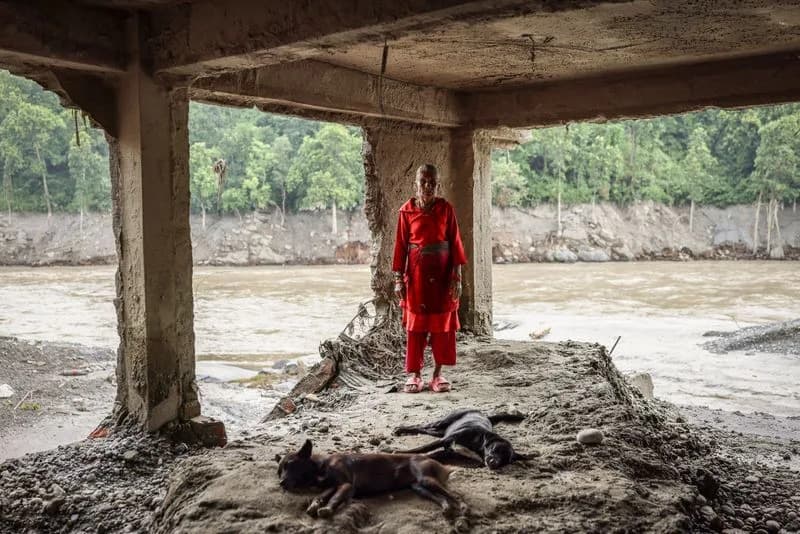
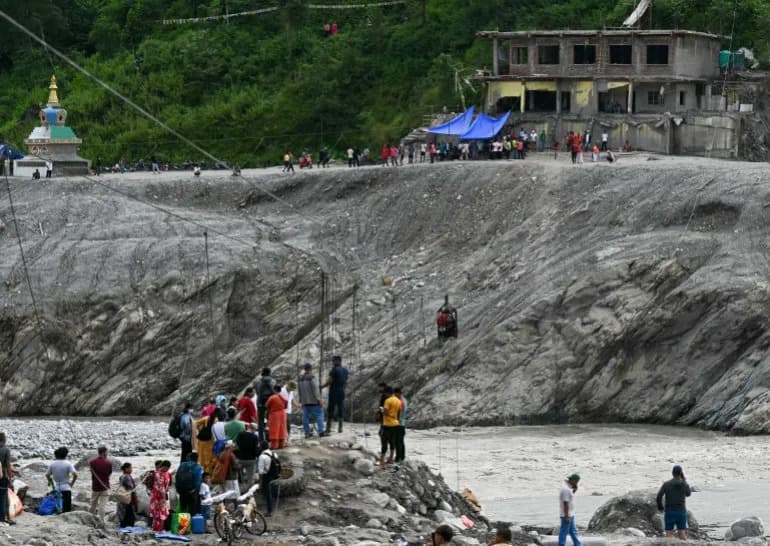
The flash flood on August 26, triggered by a glacial collapse, has killed more than 1,400 people, most of them in Nepal, and left more than 5,000 missing. The tsunami-like waves swept away roads, bridges and settlements across mountainous northern districts and severely damaged multiple hydropower projects that are central to Nepal's development and export plans.
Government estimates put reconstruction costs at around $4.8 billion. Authorities say more than 800 workers employed at hydropower projects remain unaccounted for, and 47 bodies have been recovered from project sites as rescue teams continue to search through debris.
From Response to Reconstruction
Maharjan, who still bears wounds to his hand and leg, hopes to return to his trade despite the risks. "There is risk in everything, but still we have to win over it," he said. He framed work as both livelihood and duty: "Work is our karma." His outlook reflects a broader national determination even as the country faces difficult decisions about how to rebuild infrastructure in hazardous mountain terrain.
Prime Minister Balendra Shah told the United Nations the disaster was "a warning to the world" about the growing dangers of climate change and called for greater international support to help Nepal adapt and rebuild. Aid organizations warn the humanitarian crisis is far from over and stress the urgency of recovery measures to protect health and livelihoods and to prevent a deeper slide into poverty.
Ongoing Concerns
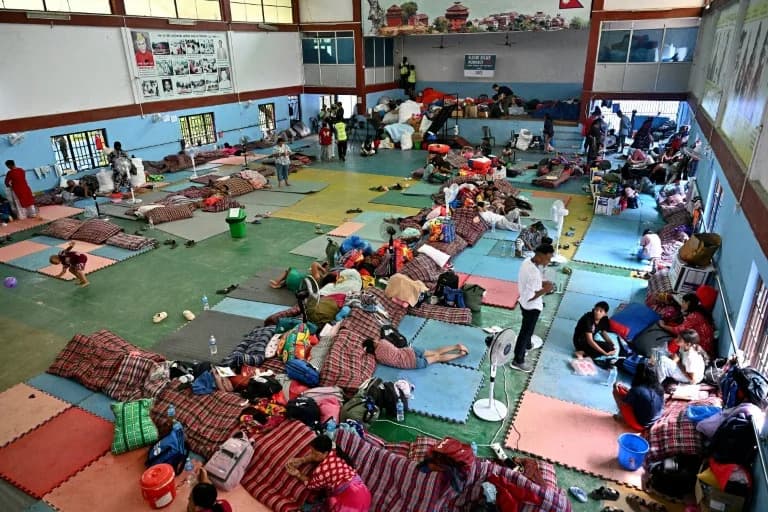
Humanitarian groups say immediate priorities include shelter, clean water, medical care and restoring access to isolated communities. The damaged hydropower network also threatens long-term economic setbacks unless reconstruction includes stronger, climate-aware planning for roads, plants and trade corridors in Nepal's rugged mountains.
Reporting based on AFP coverage.
Help us improve.