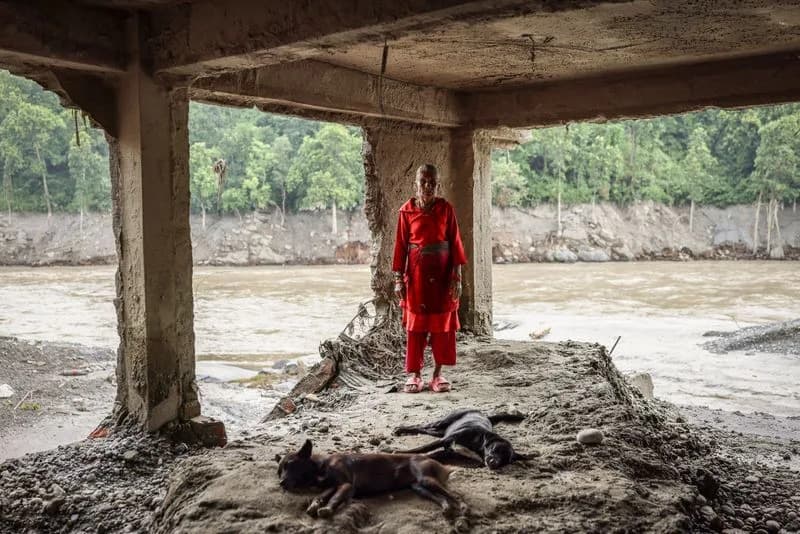
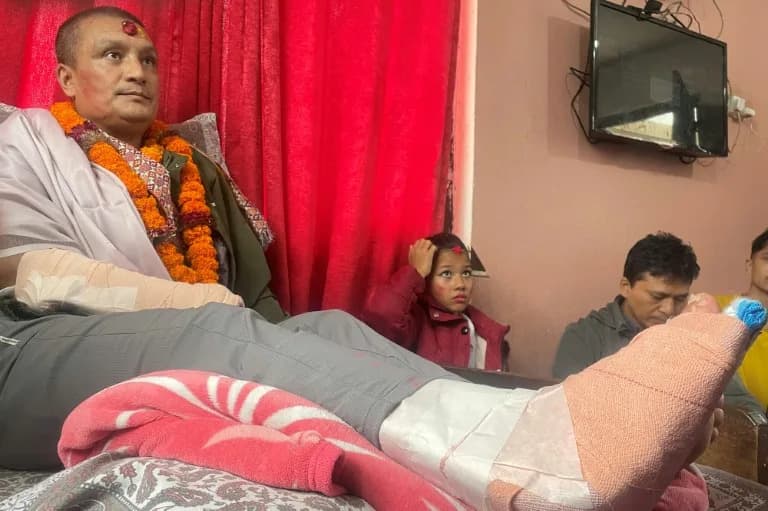
Teachers at Neelakantha Secondary School in Nepal now circle in red the names of students who never returned after an Aug. 26 glacial collapse sent tsunami-like floods through Himalayan valleys. The disaster has killed over 1,400 people and left more than 5,000 missing, with schools and communities devastated across the north. Fewer than half of Neelakantha's 508 students have resumed classes, and UNICEF and local authorities say recovery must include psychosocial support and rebuilding of education infrastructure.
Red Circles, Silent Classrooms: Nepal Teachers Mourn Students Lost in Devastating Floods
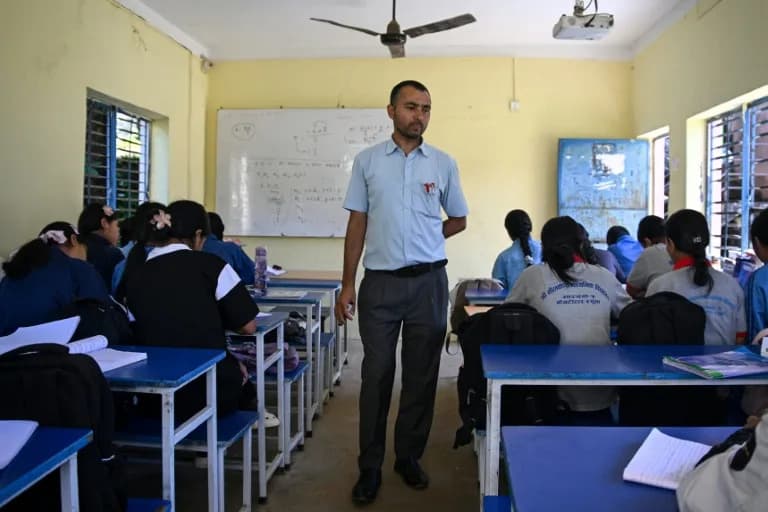
Principal Madhav Lamichhane instructs students during a class at Neelakantha Secondary School following the August 26 flash flood. Each morning teachers are served a painful reminder of the disaster as they call out names of children who never came back (Prakash MATHEMA)
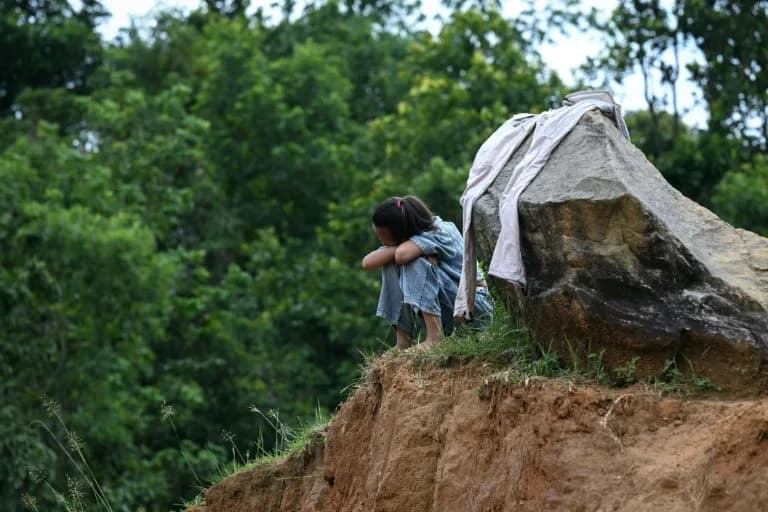
Each morning at Neelakantha Secondary School in flood-ravaged Rasuwa district, teachers mark attendance and draw painful red circles beside the names of pupils who never returned after an Aug. 26 glacial collapse triggered tsunami-like floods.
A School Marked By Loss
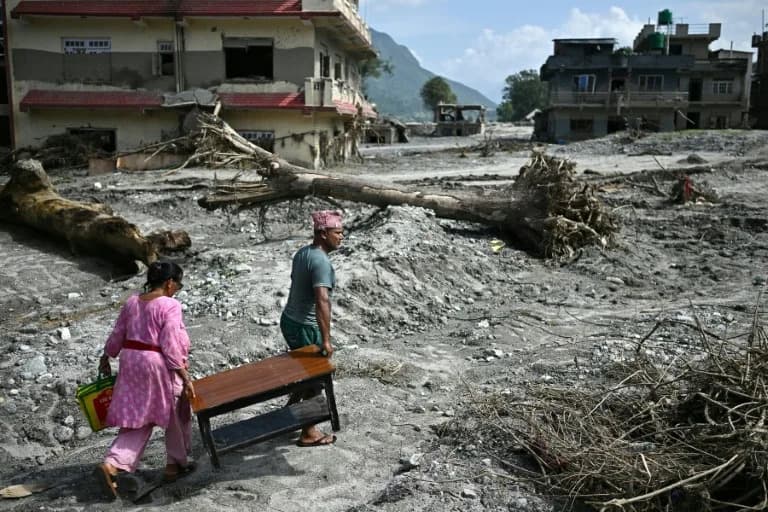
The collapse near the China–Nepal border unleashed waves that swept away roads, bridges and riverside settlements. The catastrophe has killed more than 1,400 people, with the vast majority of fatalities in Nepal, and left over 5,000 people missing one month on.
Neelakantha, perched on relatively higher ground and spared total destruction, nevertheless lost 70 students and four teachers. Fewer than half of the school's 508 pupils have returned since classes restarted; principal Madhav Lamichhane says about 150 students remain unable to reach school because bridges and roads were washed away.
Damage Across the Region
Across Rasuwa and neighbouring districts, roughly 500 students and 24 teachers are still missing, and 18 schools have been damaged. Government estimates put recovery and rebuilding costs at up to $15.47 million.
All the students and teachers are going through the same pain, Principal Madhav Lamichhane told AFP, noting that nearly every family in the district has been touched by loss.
Disrupted Learning and Urgent Needs
Initial UNICEF assessments indicate learning has been disrupted for more than 14,000 children at 62 schools and learning centres across the affected region. UNICEF representative Alice Akunga emphasized that returning to school helps restore stability, routine and hope for children who have experienced trauma and uncertainty.
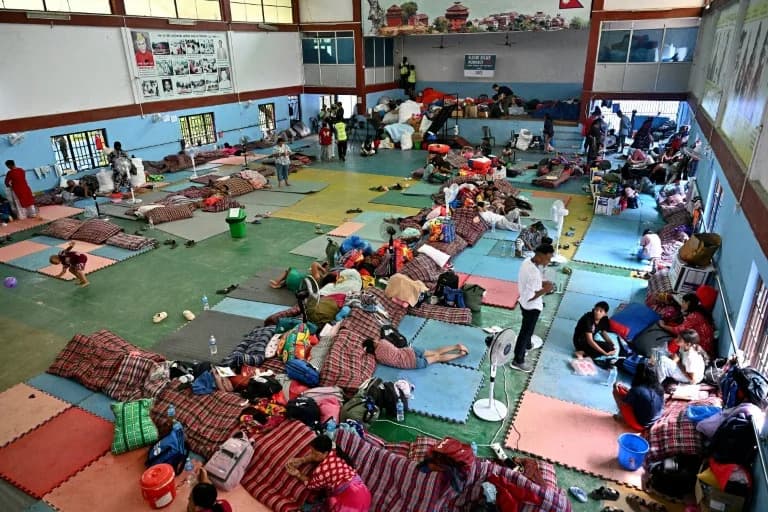
Some classrooms have been temporarily converted into relief distribution centres, highlighting the challenge of restoring normal routines. Teachers and officials say relief supplies are reaching many survivors, but the next phase of recovery must include sustained psychosocial support, trauma counseling and long-term rebuilding of safe education facilities.
We have enough relief materials. Now we need psychosocial therapy and a permanent way out so that they can feel normal again, teacher Shiva Ram Bhatta said, underscoring the emotional as well as material needs of students.
The scale of the tragedy and the damage to infrastructure mean recovery will be prolonged. Educators and aid agencies warn that restoring learning and supporting children through grief are essential steps if communities are to rebuild resiliently.
Help us improve.