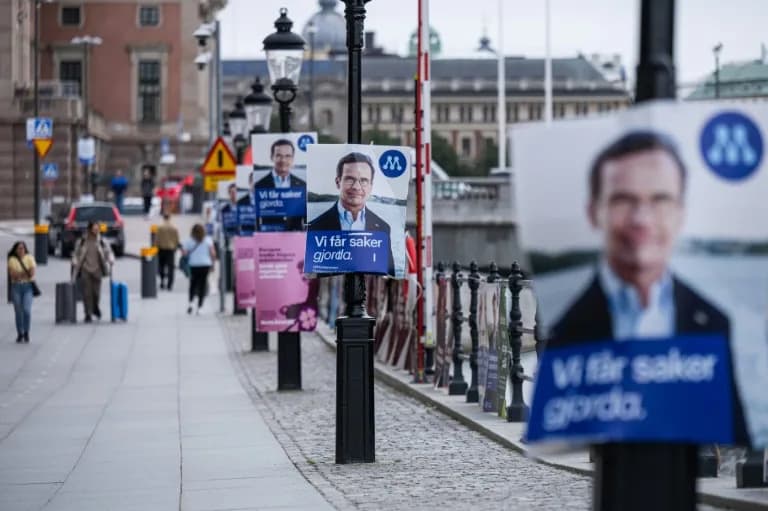
Quick take: The Sweden Democrats lost support in last week’s election, falling to 17.5% and losing 11 seats, as voters rejected proposals to expand the party’s role in government. Tightened migration rules since 2015 and a sharp fall in asylum claims reduced the salience of immigration, while provocative campaign messaging repelled moderates. Though the result is a cautious win for progressives, nativist ideas remain embedded in Sweden’s political mainstream.
Sweden’s Election: A Blow to the Sweden Democrats — Yet Nativism Remains Mainstream
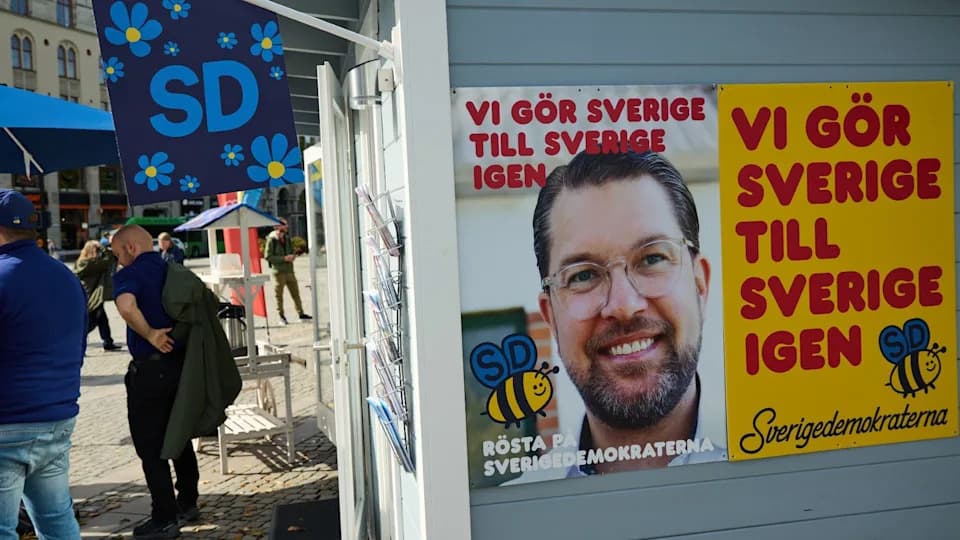
Sweden Democrats posters featuring party leader Jimmie Åkesson and the campaign slogan 'Make Sweden Sweden Again'. | Credit: Kristian Tuxen Ladegaard Berg / NurPhoto / Getty Images
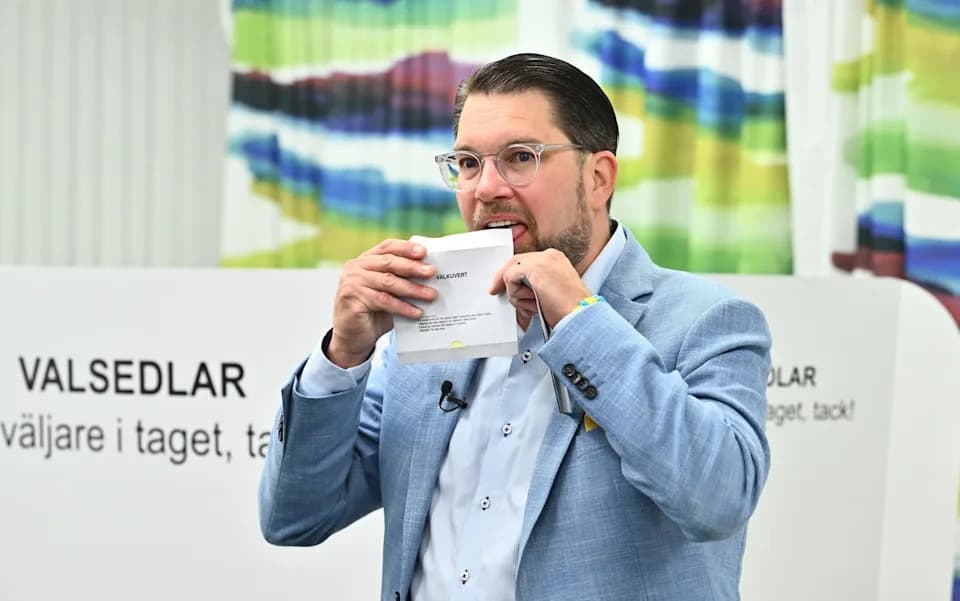
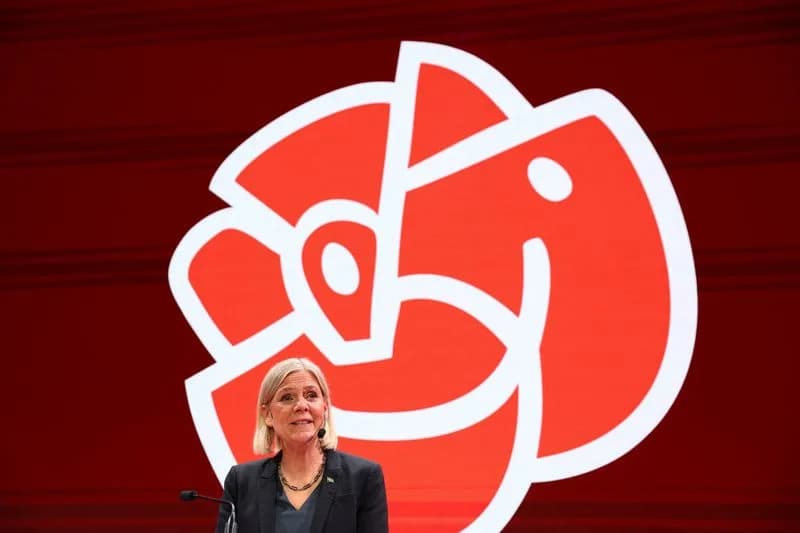
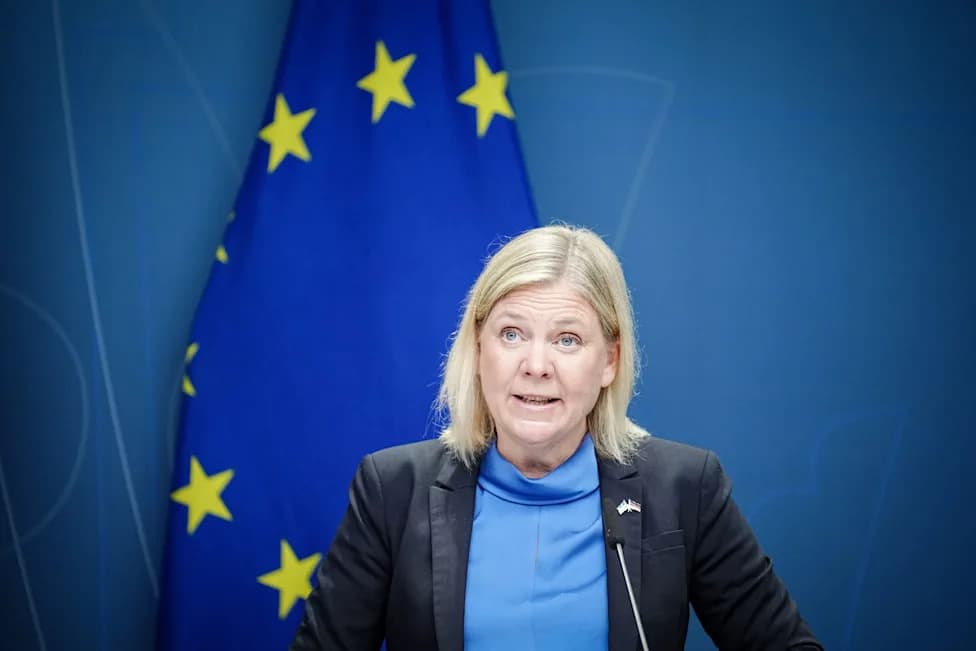
The Sweden Democrats (SD), a hard-right party with origins in neo-Nazi milieus, hoped last week to complete a political makeover and cement a larger role in government. Instead, voters reduced the party’s support: its vote share fell three percentage points to 17.5%, costing it 11 seats. The right-of-centre bloc finished with 173 seats — three fewer than a centre-left bloc led by Social Democrat Magdalena Andersson.
From pariah to power broker
The SD began a long process of repositioning in the 1990s by purging overt extremists and moderating parts of its platform. By 2018 it was the third-largest party in parliament. In 2022, after the Tidö agreement, the SD rose to become the second-largest party with 73 seats and won policy influence by supporting a centre-right minority government.
Why voters moved away
Several factors blunted the SD’s appeal. Migration and asylum applications have declined sharply since the 2015 refugee crisis, and net immigration has fallen by roughly two-thirds since 2016 to about 47,000 people a year. With immigration less urgent as an issue, the SD’s increasingly provocative campaign — capped by the slogan "Make Sweden Sweden Again" and inflammatory ads such as bus posters in Gothenburg reading, "Do you miss Mogadishu? Remigration will help you go home" — alienated moderate swing voters and mobilised support for the centre-left.
What the result means
Commentators see the outcome as a modest boost for European progressives, but they caution that the bigger win is limited. As noted by analysts in The Guardian and elsewhere, nativist language and policy positions have become so normalised in Sweden that even mainstream parties may be reluctant to propose radically different migration policies. The SD can continue to shape public debate from outside government, and some supporters have already blamed defeat on "imported" Muslim votes.
Looking ahead
The election underscores a double challenge for centre-left parties: to capitalise on this setback for the far right while also offering a clear, values-based alternative on migration and social cohesion. Observers urge social democratic parties to be bolder in shifting the terms of political debate; without a sustained effort to reframe the conversation, the far right will likely continue to set the agenda.
Context sources: Reporting and analysis from Jacobin, Göteborgs-Posten, and The Guardian were used to summarize the election outcome and its political implications.
Help us improve.