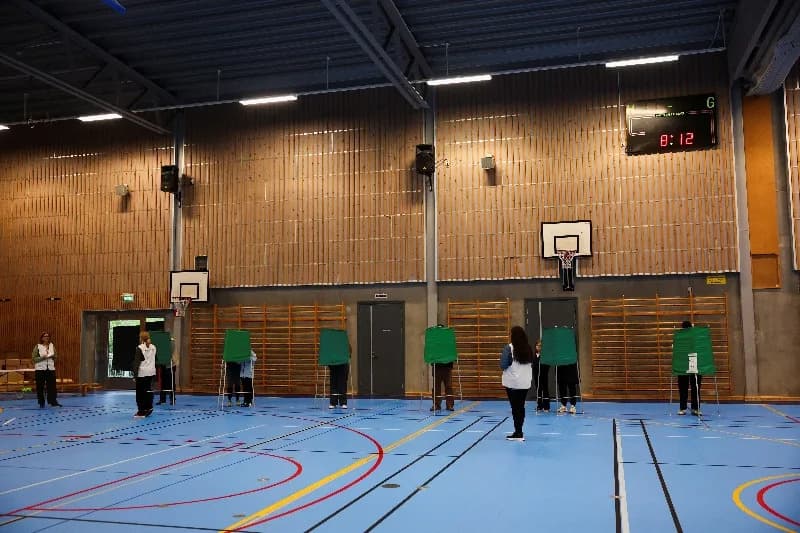
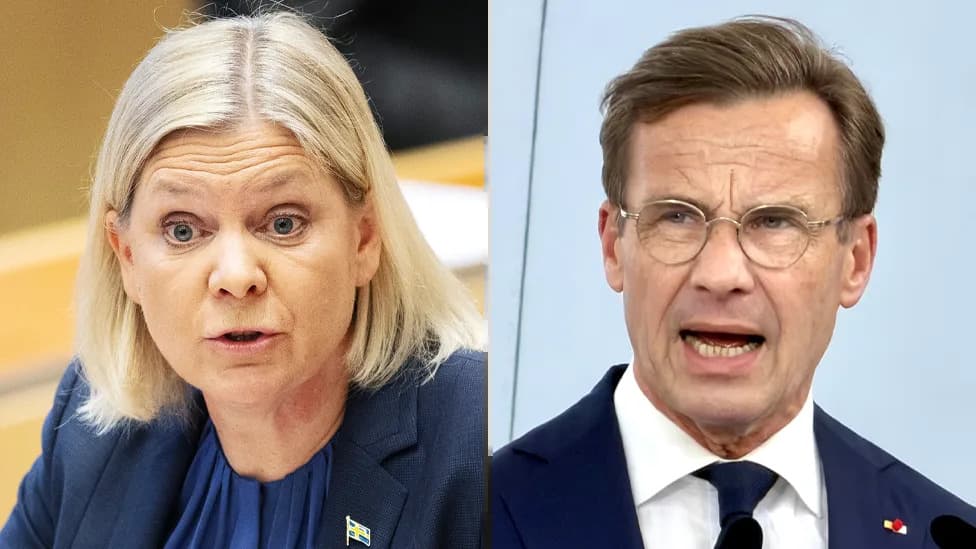
Swedish Prime Minister Ulf Kristersson resigned after his right‑wing bloc narrowly lost its parliamentary majority in Sunday’s election. Social Democratic leader Magdalena Andersson said voters chose a "new direction" and has opened talks to form a government, prioritizing climate, schools, healthcare, elderly care and immigration. Preliminary counts give the opposition 176 seats — three more than the Tidö coalition — with about a 50,400‑vote margin; results will be certified in the coming days. Coalition negotiations could be protracted due to policy differences, including taxes.
Ulf Kristersson Resigns After Narrow Election Defeat — Magdalena Andersson Moves To Form Government
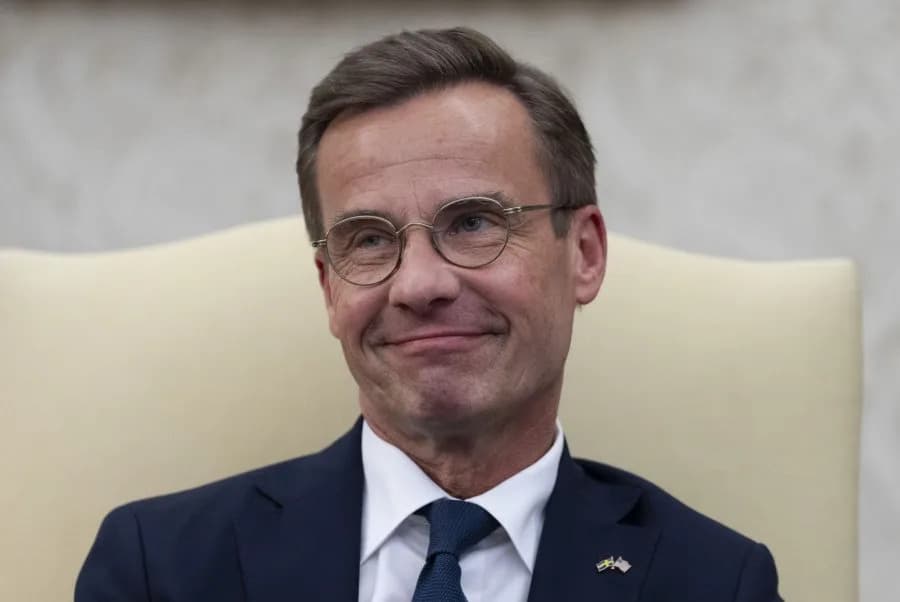
Swedish Prime Minister Ulf Kristersson resigned Thursday, days after his right-leaning bloc lost its majority in parliament. File Photo by Chris Kleponis/UPI
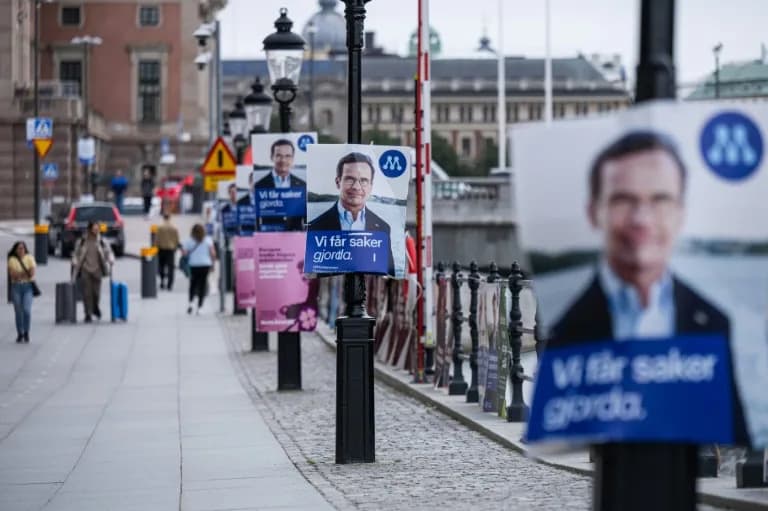
Sept. 17 (UPI) — Swedish Prime Minister Ulf Kristersson submitted his resignation on Thursday, days after his ruling right‑wing bloc narrowly lost its parliamentary majority in Sunday’s election.
The resignation paves the way for Social Democratic leader Magdalena Andersson to attempt to form a new government.
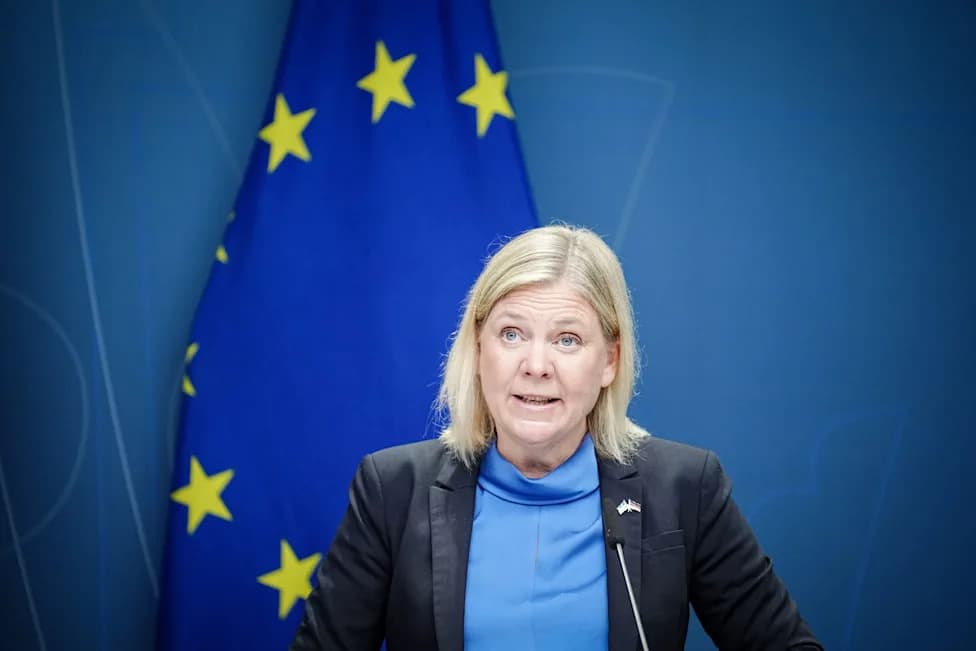
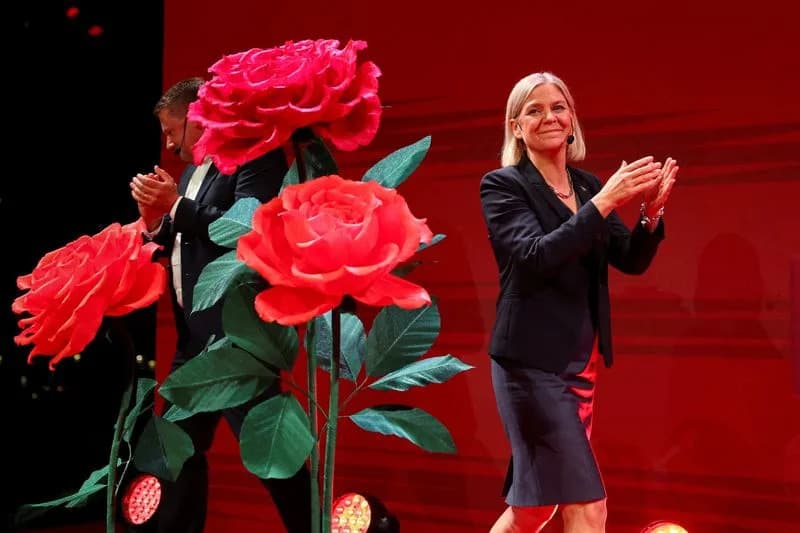
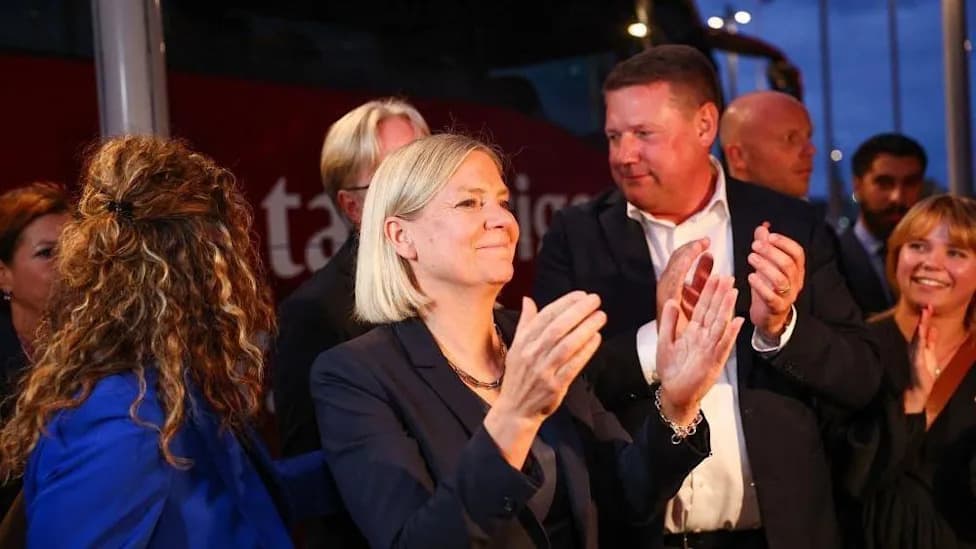
Andersson said in a victory speech that the Swedish people "voted for a new direction for our country, voted for unity and against division."
She identified climate change, schools, healthcare, elderly care and immigration as her top priorities, saying: "The Swedish people have voted to take Sweden forward and I will realize the new direction that you have voted for."
Preliminary results showed the left‑leaning opposition parties holding 176 seats in Parliament — three more than the right‑leaning Tidö coalition, which is backed by the far‑right Sweden Democrats. The two blocs were separated by roughly 50,400 votes.
The results are expected to be formally certified in the coming days and finalized over the weekend. Once certified, Andersson will continue talks with other opposition parties to build a governing majority.
What Comes Next
Coalition negotiations could be slowed by substantive policy differences between the parties, notably on taxation and other fiscal matters. Forming a government in Sweden can take time: it required 37 days after the 2022 election and 134 days after the 2018 vote.
For now, Andersson has the first opportunity to present a government proposal to Parliament, but its success will depend on how effectively she bridges the differing priorities within the opposition bloc.
Help us improve.