Magdalena Andersson has been asked to lead exploratory talks to form Sweden's next government after the Social Democrats emerged as the largest party with 28% of the vote. Her supporting bloc—Social Democrats, Left, Greens and the liberal Centre—holds a slim majority of 176 of 349 seats, while the conservative bloc won 173 and outgoing PM Ulf Kristersson resigned. Coalition formation will be tricky: the Centre Party refuses to govern with the Left Party, underscoring significant policy divisions. The new Riksdag meets on 28 September to elect a speaker, who can nominate a prime ministerial candidate the following day.
Magdalena Andersson Tapped to Lead Government Formation Talks After Narrow Social Democrat Win
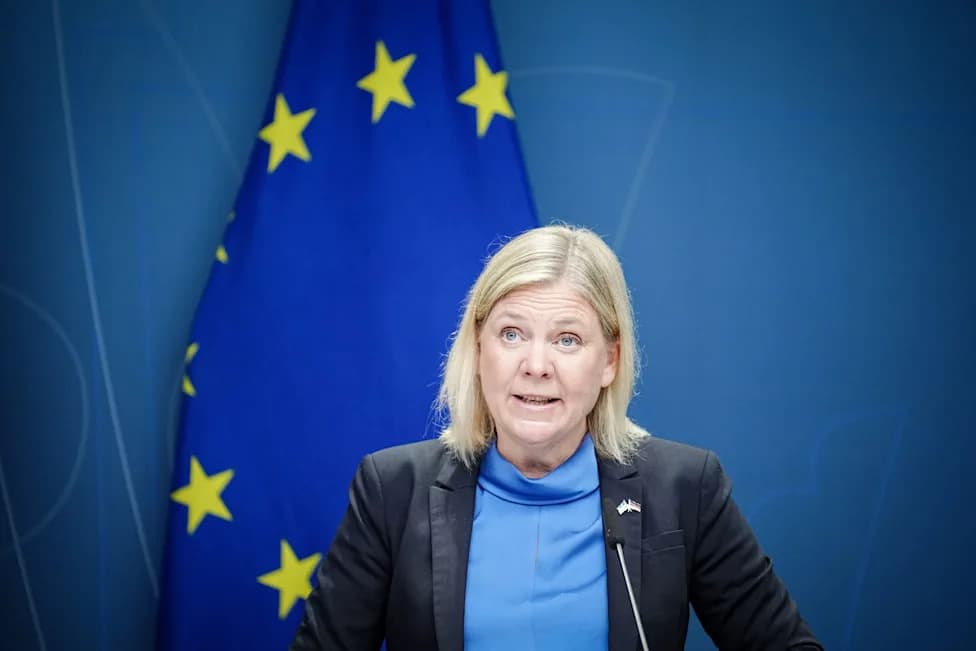
Former Swedish prime minister Magdalena Andersson speaks during a press conference in Stockholm in 2022. (is associated with: «Social Democrat Andersson to lead talks on Sweden's new government») Kay Nietfeld/dpa
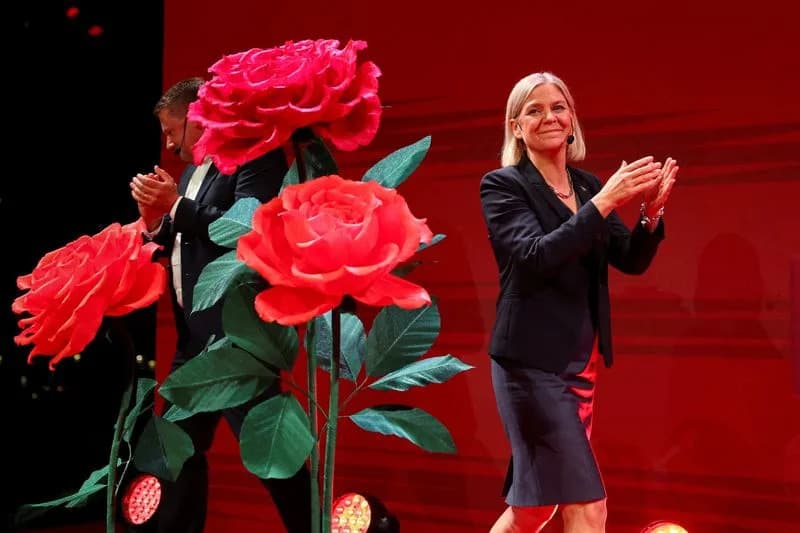
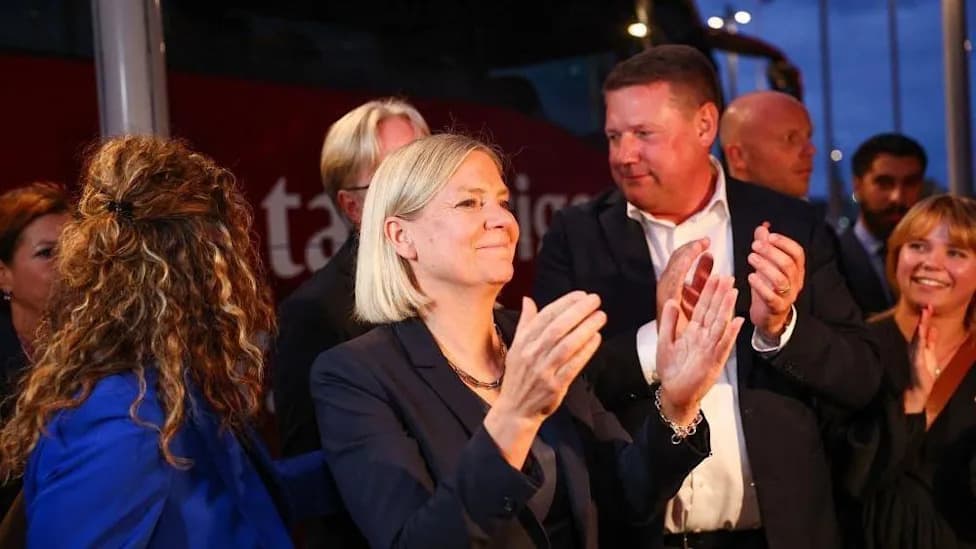
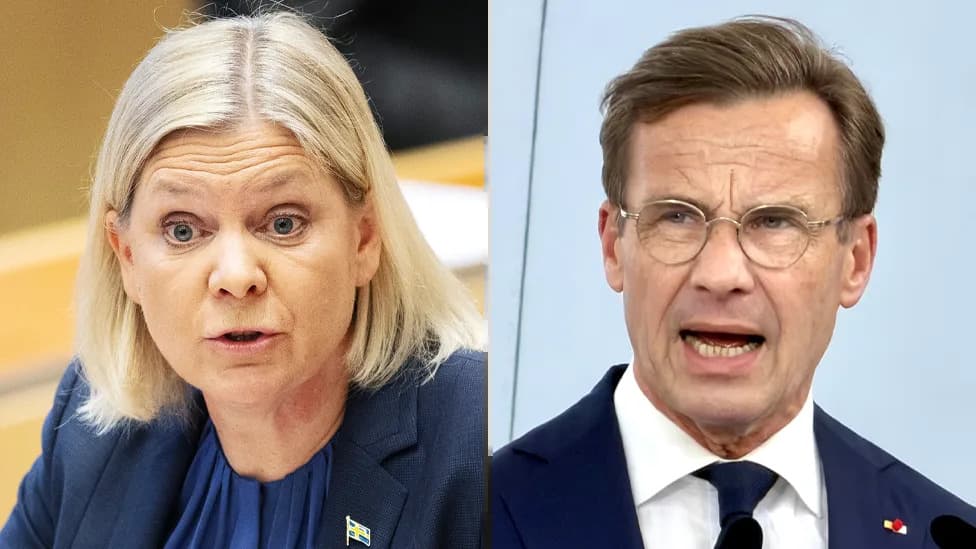
Magdalena Andersson, the Social Democrats' lead candidate, has been asked to explore forming Sweden's next government after her party emerged as the largest single party in last weekend's parliamentary election.
Parliament Speaker Andreas Norlén said all party leaders agreed, "with varying degrees of enthusiasm," that Andersson should receive the mandate to hold exploratory talks following meetings with representatives of all eight parties in the Riksdag.
Election Result and Parliamentary Math
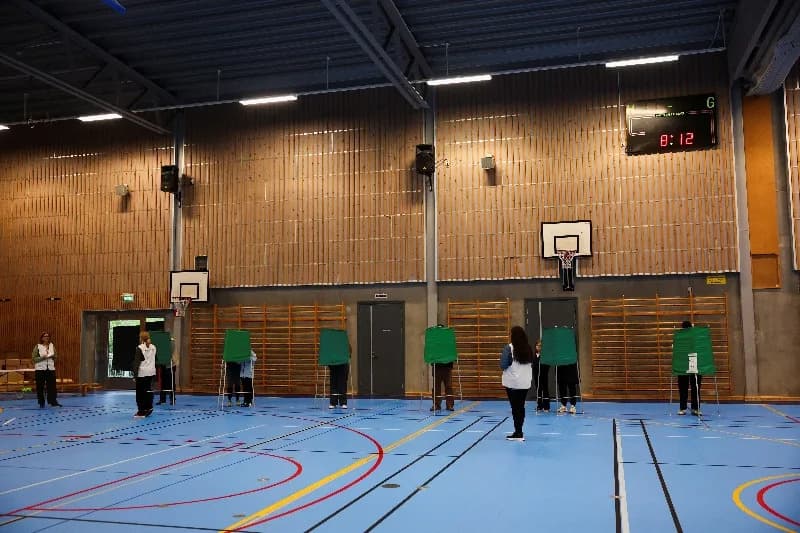
Preliminary results show the Social Democrats won 28% of the vote. Together with the Left Party, the Green Party and the liberal Centre Party, Andersson's supporting bloc holds a razor-thin majority of 176 out of 349 seats. The conservative bloc, comprising the outgoing three-party government and right-wing populists, won 173 seats. Conservative Prime Minister Ulf Kristersson has since tendered his resignation.
Coalition Challenges
Forming a stable government is complicated: the Centre Party has publicly ruled out governing alongside the Left Party, and there are policy divisions across the four-party supporting bloc. Those tensions mean Andersson will need to negotiate carefully to secure either a formal coalition or a workable parliamentary agreement.
"My approach to the work ahead is that all political forces must set party tactics aside and put Sweden and the Swedish people first," Andersson wrote on Instagram. She added she wants to "lead Sweden in a new spirit of cooperation and strive for broad collaboration."
What Happens Next
The new Riksdag is due to convene on 28 September to elect a speaker. That speaker can then nominate a candidate for prime minister, at the earliest on 29 September, before the Riksdag votes on the nomination. Under Swedish rules, a candidate can become prime minister unless a majority of MPs (more than half) vote against them; if a nominee is rejected, the nomination process restarts.
Background
Andersson, 59, previously served as prime minister from late 2021 until late 2022, becoming Sweden's first woman to hold the office. She lost a narrow election to conservative opponents in 2022 and now faces the task of converting a narrow parliamentary advantage into a functioning government.
Help us improve.