The WTO will set up a panel to hear Russia's challenge to the EU's Carbon Border Adjustment Mechanism and alleged export subsidy under the Emissions Trading System. A second request from Russia automatically triggered the panel after the EU blocked an initial bid in July. The EU says it will defend the rules-based trading system and contends both measures comply with WTO commitments. The panel's findings could shape the intersection of trade law and climate policy.
WTO Launches Panel After Russia Challenges EU Carbon Border Charge and Emissions Trading Rules
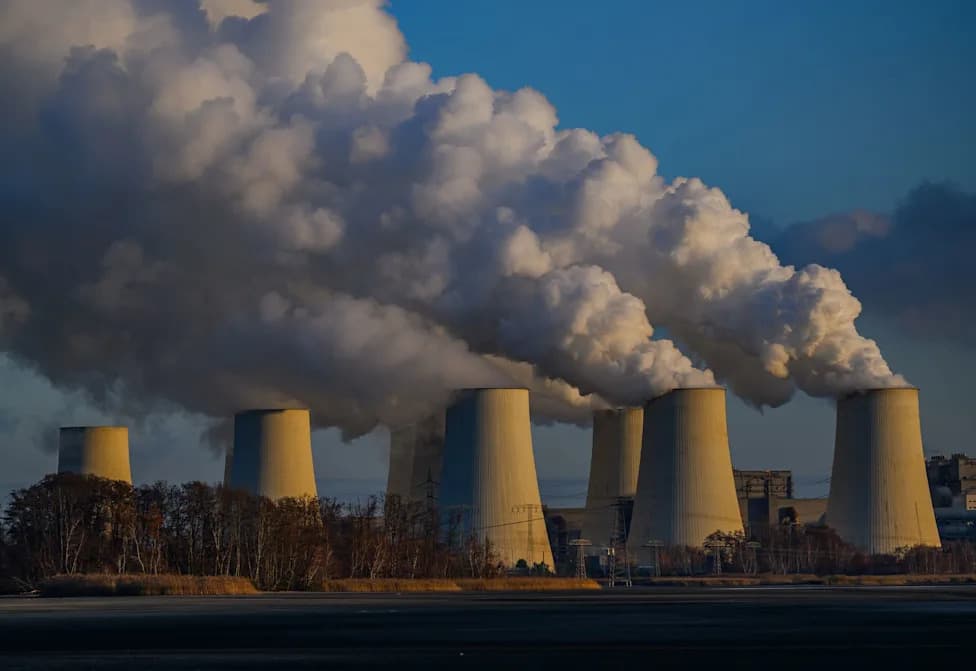
FILE PHOTO - Steam rises from the cooling towers of Germany's Jaenschwalde lignite-fired power plant operated by Lausitz Energie Bergbau AG (LEAG). (is associated with: «WTO takes up Russian challenge to EU carbon trade measures») Patrick Pleul/dpa
The World Trade Organization (WTO) will establish a dispute panel to examine a Russian challenge to two EU climate-related trade measures: the Carbon Border Adjustment Mechanism (CBAM) and aspects of the Emissions Trading System (ETS).
Moscow lodged a second formal request for a panel. Under WTO procedures a second request automatically triggers the formation of a panel after the EU blocked Russia's initial request in July. The panel will consider whether CBAM and the alleged export subsidy tied to the ETS are consistent with the EU's WTO obligations.
Russia contends that CBAM imposes significant trade barriers by applying carbon-related charges to certain imports, and that the EU's allocation of free emissions allowances under the ETS amounts to an export subsidy that gives European exporters an unfair advantage.
CBAM is intended to reduce carbon leakage by ensuring selected imports face carbon costs comparable to those faced by products manufactured inside the EU, discouraging relocation of carbon-intensive production to jurisdictions with weaker climate rules. The EU insists the mechanism is an environmental measure, not a protectionist tool.
The European Commission described the Russian request as notable given the ongoing conflict in Ukraine and said it will participate in the WTO proceedings to defend the rules-based multilateral trading system. The EU reiterated its view that both CBAM and the ETS comply with WTO obligations, while Russia says it seeks fair treatment and improved access for its exports.
The panel will assess legal questions about carbon pricing, subsidy definitions and trade restrictions. Its findings could affect how climate policy and trade rules interact globally; outcomes may be appealed or lead to negotiated remedies between the parties.
Help us improve.