The U.S., as G20 chair, said a "handful" of trade ministers rejected its call to curb excess industrial capacity and other "non‑market" policies, revealing divisions at the Milwaukee meeting. Only Mexico and Argentina joined a U.S.‑led pledge to step up efforts to remove goods made with forced labor from supply chains. The U.S. has imposed tariffs on goods from 59 countries and the EU and is conducting a second Section 301 probe into 16 partners for excess capacity. Ministers did agree to condemn the "weaponization of food," and the G7 approved a release of about 100 million barrels of diesel after U.S. pressure.
G20 Split Over U.S. Push To Curb Excess Industrial Capacity; Forced-Labor Pledge Backed Only By Mexico And Argentina
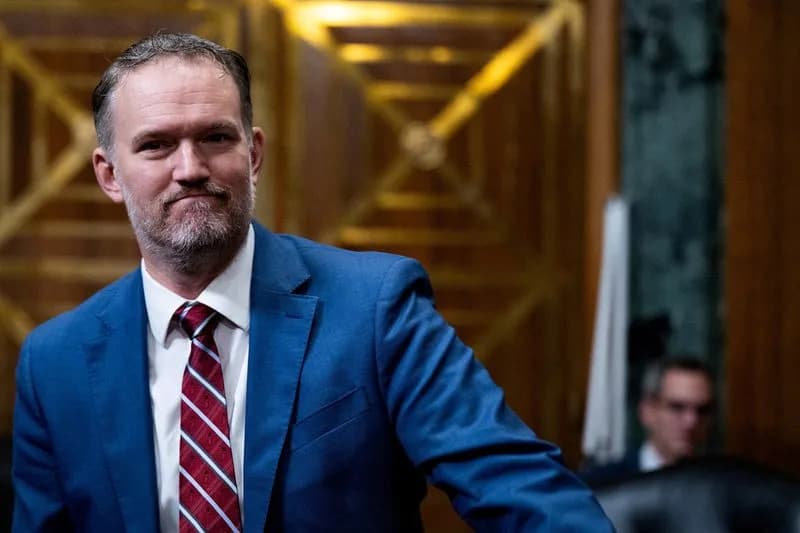
U.S. Trade Representative Jamieson Greer prepares to testify at a Senate Finance Committee hearing on Capitol Hill in Washington, D.C., U.S., July 22, 2026. REUTERS/Annabelle Gordon/File Photo
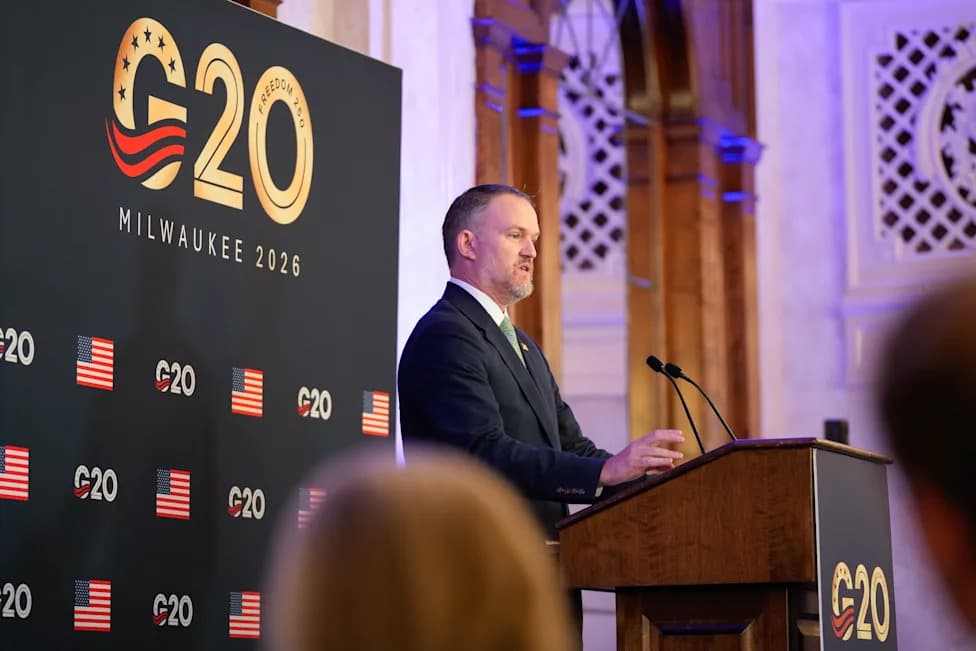
The United States, serving as this year’s G20 chair, said on Friday that a "handful" of G20 trade ministers rejected Washington’s calls to tackle excess industrial capacity and other so‑called "non‑market" policies, highlighting divisions among the world's largest economies.
Divisions Exposed At Milwaukee Meeting
The split emerged after a trade ministers' meeting in Milwaukee, where only two countries — Mexico and Argentina — joined a U.S.-led statement urging enhanced cooperation to remove goods made with forced labor from global supply chains. The USTR said the draft ministerial statement was supported "by all but a handful of members, a few of whom firmly rejected creating this pathway toward cooperative action" on excess capacity, leaving the U.S. G20 presidency "severely disappointed."
Tariffs And Investigations
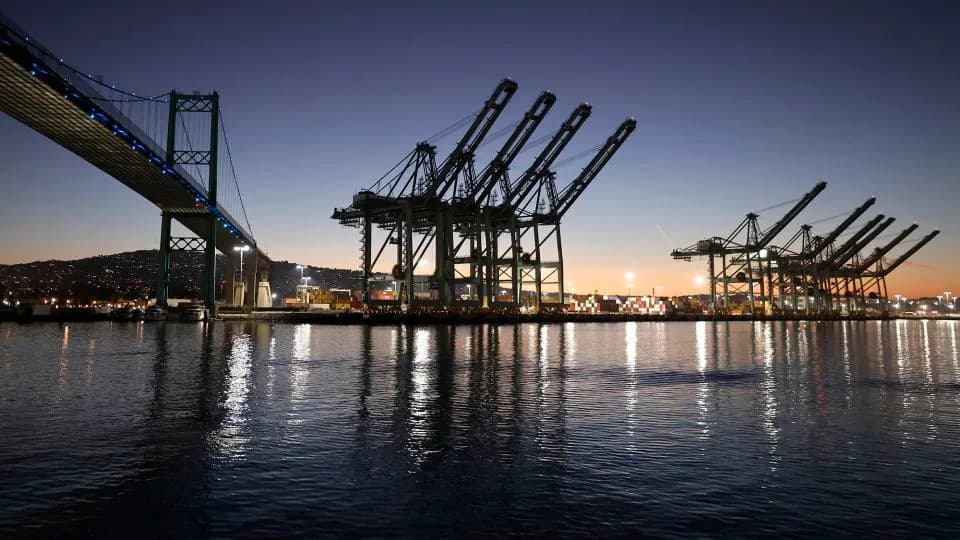
The U.S. has already imposed tariffs of 10% or 12.5% on products from 59 countries and the European Union amid allegations those trading partners have not adequately enforced bans on forced labor. U.S. Trade Representative officials are also conducting a second "Section 301" tariff investigation into 16 trading partners that the U.S. says show signs of excess industrial capacity — a probe widely expected to lead to new duties in coming months.
China Objected
The USTR statement did not name which delegations objected to the excess‑capacity language, but it noted that China had formally objected to a similar G20 statement denouncing forced labor and non‑market policies at a finance leaders’ meeting in North Carolina a month earlier. Beijing has denied that its industrial policies have created excess capacity and accused some Western countries of using the issue to justify protectionist measures.
"We condemn food weaponization, as it poses a significant humanitarian and economic threat," the G20 trade ministers said in a joint statement.
Consensus On Food Weaponization, G7 Diesel Release
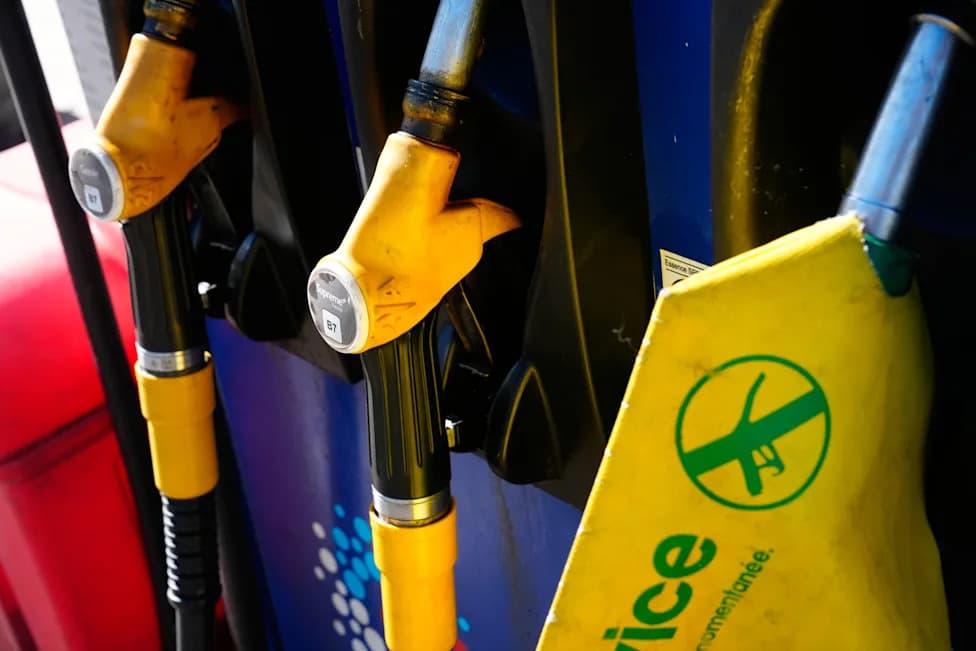
Despite disagreements on excess capacity, G20 trade ministers did reach consensus in condemning the "weaponization of food," agreeing that trade in food and agricultural inputs should not be used as economic or political coercion. In related moves, the Group of Seven agreed to release roughly 100 million barrels of diesel reserves after pressure from the U.S., a step intended to help ease record‑high diesel prices that affect agriculture and supply chains.
Debate Over MFN And Trade Rules
USTR official Jamieson Greer said he did not pursue a joint G20 ministerial statement on reforming the World Trade Organization’s "most favored nation" (MFN) system at the Milwaukee meeting. Greer argues the MFN principle has been abused by non‑market economies that subsidize industries while still claiming MFN treatment. The U.S. statement said some G20 members expressed willingness to consider options such as expanding exceptions to MFN or issuing new legal interpretations to make broader use of existing carve‑outs.
Reporting by David Lawder; Editing by Sanjeev Miglani and William Mallard.
Help us improve.