The European Commission demanded concrete deliverables from China after a one-hour call between Trade Commissioner Maroš Šefčovič and Wang Wentao, pressing for measures to rebalance an EU trade deficit widening by roughly €1 billion a day. Rare earth export controls and reciprocal market access were central topics, with Brussels seeking guarantees on export licences. Officials plan technical talks before Šefčovič’s planned Beijing visit on 8–9 October; the EU warned it could use trade defence tools or a new diversification mechanism if no credible outcomes emerge.
EU Pushes for Credible Results in High-Stakes China Trade Talks as Deadline Looms
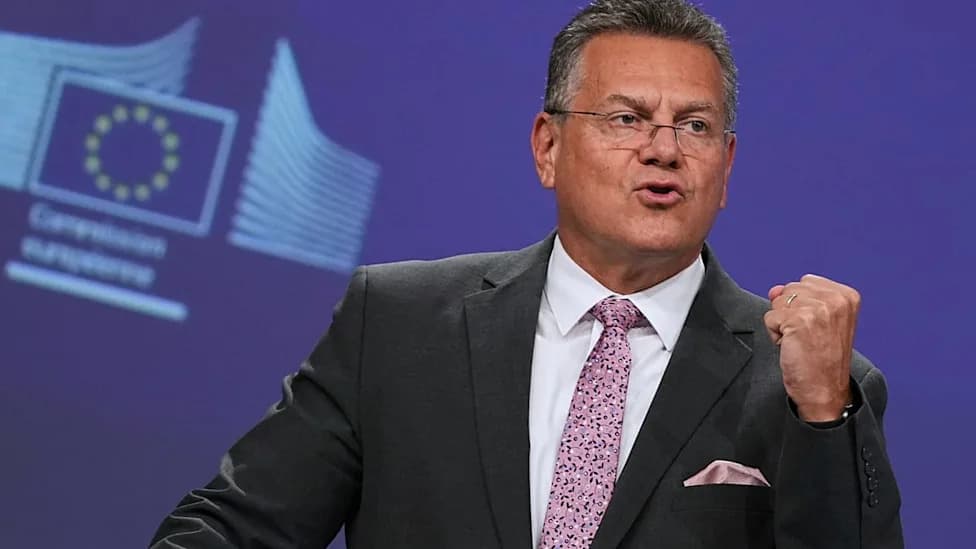
Brussels seeks 'credible' outcome in EU-China talks after key negotiators’ call
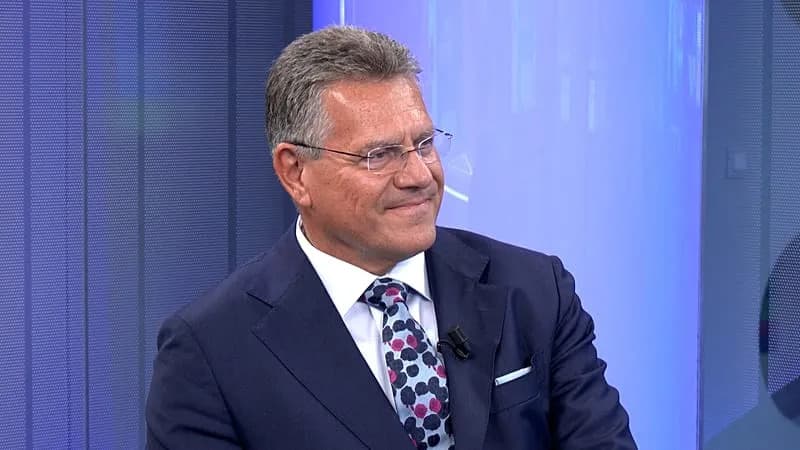
The European Commission intensified pressure on China on Thursday, urging tangible outcomes after a one-hour video call between EU Trade Commissioner Maroš Šefčovič and his Chinese counterpart Wang Wentao. The talks aim to produce concrete deliverables ahead of the second EU–China Trade and Investment Council meeting in Beijing in October.
Brussels is seeking firm commitments to rebalance trade: the EU’s deficit with China is widening by about €1 billion a day. China, meanwhile, is focused on securing continued access to the EU market of roughly 450 million consumers and has resisted European calls to curb exports.
Key Issues: Market Access and Rare Earths
Officials discussed reciprocal market access and Chinese export controls on rare earths — strategic materials essential to the EU’s green technologies, defence and automotive industries. China currently dominates production and processing of these materials, giving it significant leverage.
“While genuine engagement remains a priority, it is equally important that first concrete outcomes are delivered at the second session of the Trade and Investment Council in Beijing in October,” the Commission said. “That outcome needs to be credible.”
The EU is seeking assurances that China will not again restrict rare-earth exports, after Chinese controls last year amid broader trade tensions. Reliable export licenses and predictable supply are vital for European manufacturers and strategic projects.
Next Steps and Possible Remedies
In the coming weeks, technical talks are expected as EU officials travel to China ahead of Šefčovič’s planned Beijing visit on 8–9 October. European Commission President Ursula von der Leyen underscored the urgency in her State of the Union address: “Words are good. But deeds are better,” and she reiterated that the EU is prepared to deploy trade defence instruments if necessary.
The Commission has a toolkit that includes anti-dumping duties and tariffs against unfair subsidies. Brussels is also developing a diversification tool to reduce EU firms’ dependence on Chinese critical minerals by helping them identify alternative suppliers and secure strategic supply chains.
Relations remain strained after several Commission proposals designed to protect the EU market, including measures that would favour European-made products — a move that prompted warnings of potential Chinese retaliation. Beijing also asked its companies last summer to limit cooperation with EU antitrust probes after the Commission opened an investigation into JD.com over subsidy concerns.
As the October deadline approaches, the Commission has signalled it wants demonstrable progress. If negotiators cannot present credible deliverables, EU leaders have signalled they will consider other instruments to protect strategic interests and rebalance the relationship.
Help us improve.