A Bruegel economist has defended new EU proposals to limit subsidies for foreign investors, calling the measures "fair". The European Parliament is pushing for stricter rules than the European Commission's plan, aiming to restrict Chinese investment in sectors where Beijing is dominant. The reforms would allow authorities to favour EU firms in procurement for strategic services such as energy and transport. The move targets a market worth about €2 billion a year as the EU faces an estimated €1 billion-a-day trade deficit with China.
EU Tightens Rules On Foreign Subsidies Targeting China — Expert Calls Measures "Fair"

Tighter EU investment conditions targeted at China are 'fair', says expert
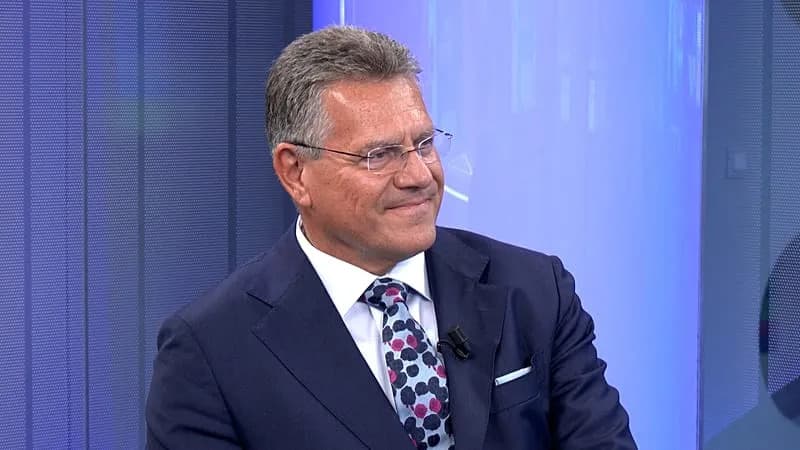
Alicia García-Herrero, an economist at the Brussels-based Bruegel think tank, says the European Union's proposed legislation to curb subsidies for foreign firms investing in Europe is "fair" despite attracting criticism. The measures aim to limit the competitive advantage state-backed companies may gain from subsidies when entering the EU market.
The European Parliament has proposed tougher restrictions than an earlier European Commission plan, effectively seeking to block Chinese investment in sectors where Beijing wields a dominant position. The draft rules would give EU authorities greater power to scrutinise and potentially restrict foreign investments that benefit from distortive subsidies.
"If the Chinese government chooses to compete by subsidising its companies, European firms won't have a chance," García-Herrero warned, arguing the new rules help restore a level playing field.
Several months ago the European Commission proposed allowing public authorities to favour European suppliers in public procurement for strategically important public services, including energy, water, railways, ports, airports and postal services. Lawmakers say the reforms target mainly Chinese firms operating in a market estimated at around €2 billion a year.
Wider Context And Potential Impact
The measures come amid tense EU-China trade talks and a persistent trade imbalance: the EU runs an approximate €1 billion-a-day deficit with China. Supporters of the rules argue they protect critical infrastructure and domestic industry from being undercut by subsidised foreign competitors. Critics, however, caution that overly restrictive investment barriers could provoke retaliation, complicate diplomatic relations and raise costs for European consumers and businesses.
As the legislation moves through the parliamentary process, attention will focus on how narrowly the rules are targeted, which sectors are covered, and the safeguards put in place to avoid unintended consequences for investment and trade.
Help us improve.