A nor'easter is strengthening along the U.S. East Coast and may stall near the shore between New Jersey and Long Island, bringing heavy rain, gusts up to 50 mph and coastal flooding. Scientists say the most intense nor'easters are becoming more extreme—producing heavier rain and stronger winds—because a warmer atmosphere holds more moisture. While the total number of nor'easters hasn't clearly increased, the frequency of costly, billion-dollar disasters has risen sharply as the climate warms.
Nor'easter Strengthens Along East Coast — How Warming Is Making Extreme Storms Worse
How Does Climate Change Impact Nor'easters?
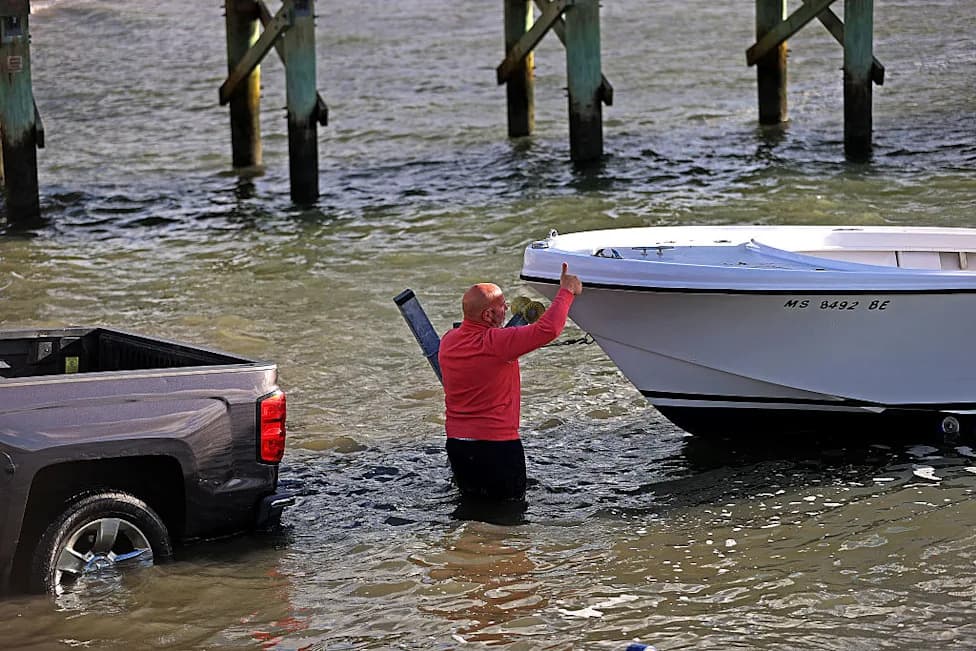
A strengthening nor'easter is moving up the U.S. East Coast and threatens heavy rain, coastal flooding and strong wind gusts for millions of residents. Coastal flooding has already been reported in parts of Virginia and North Carolina, and forecasters warn wind gusts could reach 50 mph in some areas.
The storm could stall offshore between New Jersey and Long Island, prolonging periods of heavy rain, high winds and coastal inundation. If it lingers near the coast, the risk of an elevated storm surge and extended flooding will increase—especially for northern New Jersey, New York City, Long Island and southern New England. Rain could begin as early as Friday evening and last through the weekend.
This nor'easter is shaping up to be impactful in part because it will be slow moving, potentially building up a large storm surge,says Michael Mann, Professor of Climate Science at the University of Pennsylvania.
Named for the prevailing winds that blow from the northeast, nor'easters commonly affect the eastern seaboard of the U.S. and Canada and can produce heavy rain or snow. They occur year-round but are most frequent between September and April. Unlike hurricanes, nor'easters often have cold cores and can stall over an area for longer periods, which can lengthen local impacts.
Why Climate Change Matters
Scientists continue to study how nor'easters are changing as the planet warms. While some details remain uncertain, one clear trend has emerged: the most intense nor'easters are getting stronger. Those storms are delivering heavier precipitation and stronger winds, which increases the potential for higher storm surges, more coastal flooding and greater wind damage.
Human-caused warming is leading to higher precipitation totals with these storms,Mann explains. A warmer atmosphere can hold more moisture, which fuels heavier rainfall when storms occur.
Not every storm is becoming more intense, but the intense storms are becoming more intense—whether that be a thunderstorm, a hurricane, or one of these nor'easters,says Mathew Barlow, Professor of Climate Science at the University of Massachusetts Lowell. Barlow also notes that the overall number of nor'easters does not appear to be increasing and may even be slightly decreasing.
Costs and Trends
These storms have already caused billions of dollars in U.S. damage. Notable historical examples include the New England Blizzard of February 1978, the March 1993 "Superstorm," and the heavy Boston snowstorms of January and February 2015. At the same time, climate change is increasing the frequency of very costly weather disasters: the average interval between U.S. billion-dollar weather and climate disasters fell from 82 days in the 1980s to 16 days over the last decade. In 2025, the U.S. experienced a billion-dollar weather or climate disaster roughly every 10 days.
Until greenhouse gas emissions are reduced, experts warn, the intensity of extreme precipitation and the strongest storms will continue to increase, raising the risks of coastal flooding, storm surge and widespread property damage.
What To Watch For: slow storm movement, sustained coastal winds, rising tides and prolonged heavy rain—especially if the storm stalls between New Jersey and Long Island.
Help us improve.