The U.S. will end funding for Zimbabwe's health programs at the end of September after talks collapsed over a proposed bilateral agreement that included a data-sharing clause. Ambassador Pamela Tremont said Washington will pivot from health assistance toward economic and investment ties. The decision threatens HIV, tuberculosis and malaria programs that have long depended on U.S. support and reflects wider African concerns about "health sovereignty" amid declining international aid.
U.S. to End Zimbabwe Health Aid Over Data-Sharing Dispute; HIV, TB and Malaria Programs at Risk
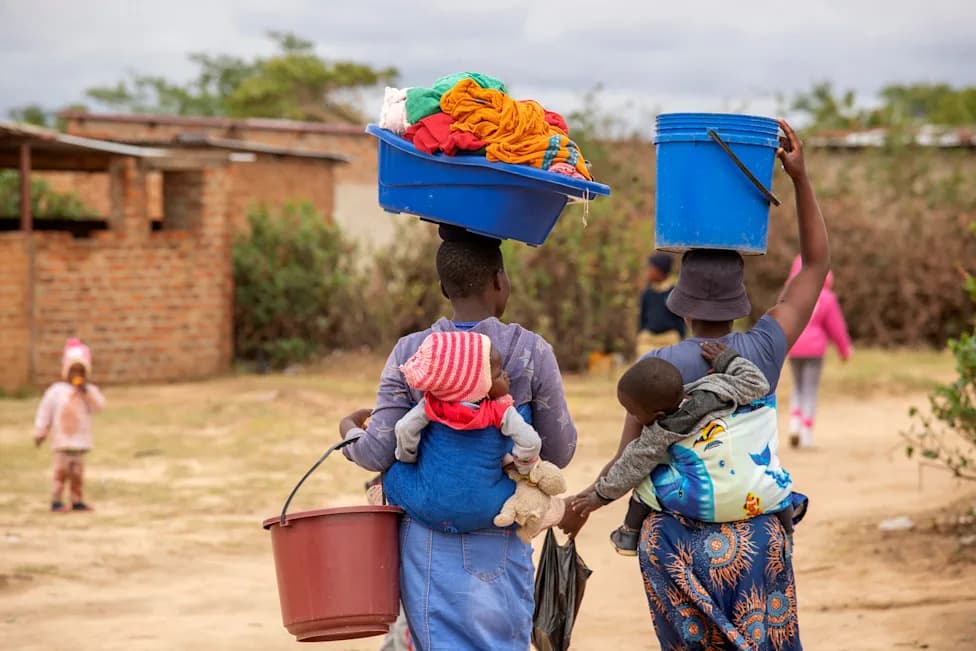
FILE - Women, with children on their backs, carry out chores in Epworth, Zimbabwe, on Nov. 14, 2024. (AP Photo/Aaron Ufumeli, File)
The United States will end funding for Zimbabwe's health programs at the end of September after bilateral negotiations collapsed over a U.S. proposal that Harare rejected in part because it would have required sharing sensitive health data, the U.S. Embassy in Harare said.
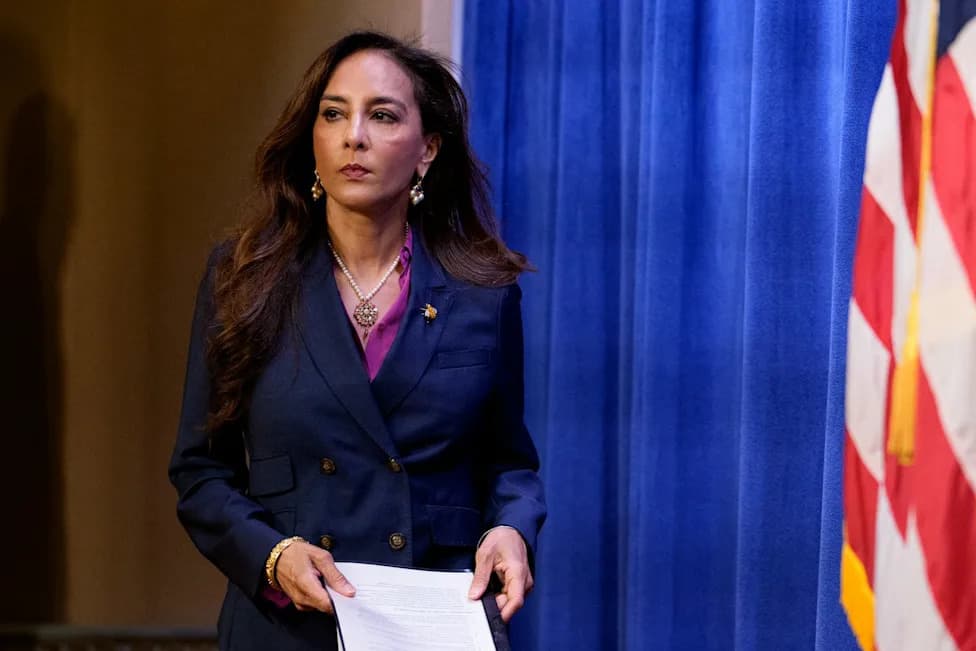
An embassy spokesperson confirmed the decision and released remarks delivered this week by U.S. Ambassador Pamela Tremont at an event titled "Beyond Assistance." According to Tremont, the termination followed "Zimbabwe's decision to decline a bilateral health MOU," and Washington will shift its relationship with Zimbabwe "from one largely focused on health and humanitarian assistance, to one built on broader economic, trade and investment opportunities."
What Collapsed and Why
The talks broke down earlier this year after the U.S. proposed country-by-country health agreements under a policy initiated during the Trump administration. Zimbabwean officials said the proposal included conditions they could not accept, most notably provisions for sharing sensitive health information. Government spokesperson Nick Mangwana said the deal sought "comprehensive access to Zimbabwe's sensitive health data, including virus samples and epidemiological information from our citizens," and raised concerns about fairness, sovereignty and a shift away from multilateral health institutions.
Impact on Health Services
The withdrawal creates immediate uncertainty for programs that prevent and treat HIV, tuberculosis and malaria in Zimbabwe. For decades, the U.S. was Zimbabwe's largest health donor, supporting HIV prevention and treatment, TB and malaria control, clinical care, laboratory systems, health worker training, medical supplies and community-based initiatives. Shortages in recent years have forced patients to bring basic supplies such as bandages to clinics or buy medicines themselves.
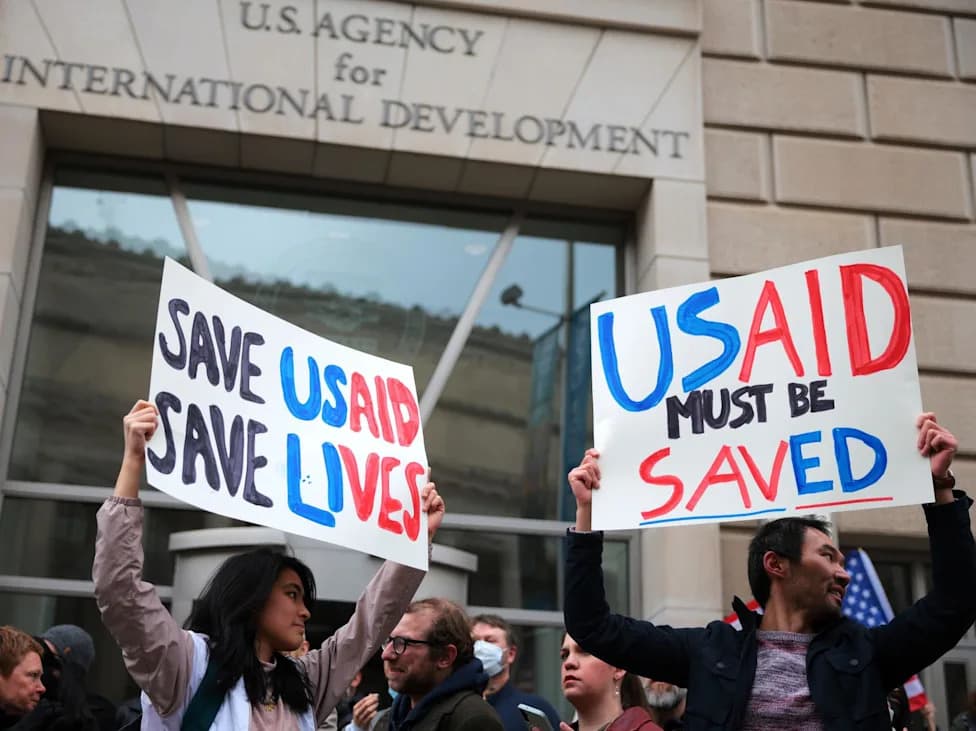
"Zimbabweans have already been suffering gravely as a result of abrupt disruptions to lifesaving malaria, tuberculosis, and HIV programs caused by the U.S. stop work orders and USAID award terminations in 2025," said Asia Russell, executive director of Health GAP. "This deadly decision will trigger a public health catastrophe."
Regional Context
Namibia also rejected a similar U.S. bilateral agreement over data-sharing and biological specimen provisions. The U.S. said it will start phasing out financial support for Namibia's HIV response while providing $45 million for Namibia's HIV programs in fiscal 2027 before shifting to "technical cooperation."
Across Africa, governments have increasingly called for "health sovereignty" — the ability to finance and manage health systems with less reliance on foreign aid. The Africa Centres for Disease Control and Prevention has warned the continent faces "an unprecedented financing crisis," noting that official development assistance to Africa has roughly halved over the last five years.
U.S. Policy Shift
Under the U.S. policy of negotiating country-by-country health agreements, Washington says it aims to reduce donor dependency and increase domestic financing. KFF, a U.S. health-policy research organization, reports that 35 countries — most of them in Africa — have signed such agreements. Several countries, including Ghana, Zambia, South Africa and Zimbabwe, have resisted or failed to finalize new agreements; Kenya's deal has faced legal challenges.
The fallout raises questions about whether cash-strapped governments can absorb the costs of programs long supported by foreign donors and how disruptions could affect disease control and public health outcomes.
Reporting note: The Associated Press receives support for global health and development coverage in Africa from the Gates Foundation; the AP retains full editorial control and responsibility for content.
Help us improve.