Several UK universities — including KCL, the University of Stirling and Loughborough — recommend students apply for Universal Credit from the day after their course ends, or even a week or two beforehand, to avoid delays. The guidance aims to provide a financial safety net amid a weak graduate jobs market, with youth unemployment at 16.4% and advertised graduate roles down 45% to 8,383 in July. Critics warn the advice risks normalising welfare reliance, while defenders say benefits help graduates bridge short-term financial gaps.
Universities Urge Graduates To Claim Benefits Immediately After Courses End — Safety Net Or Fast-Track To Welfare?

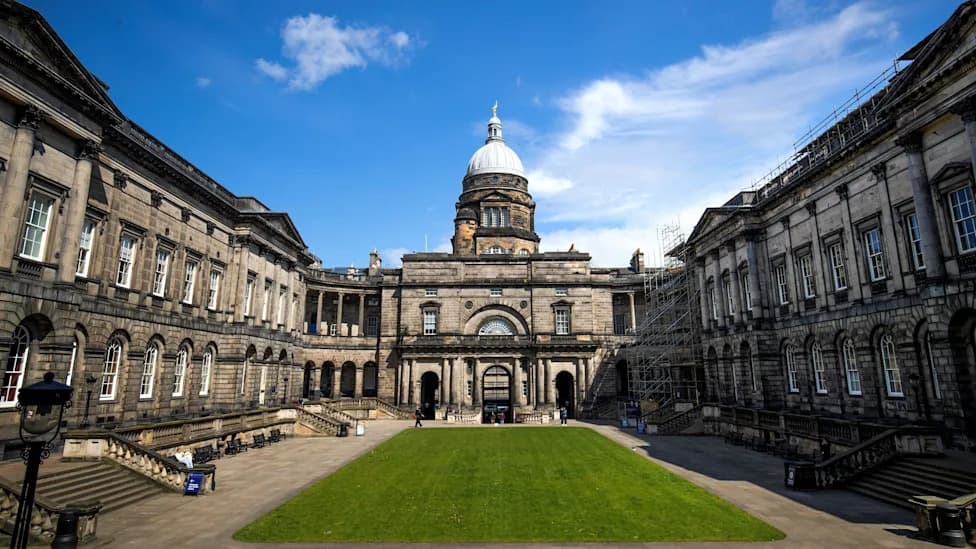
King's College London said benefits are 'an important safety net' for new graduates and should be claimed 'just in case' - stockinasia/iStock
British universities are advising some graduating students to apply for welfare benefits such as Universal Credit from the day after their course ends, prompting a debate over whether the guidance is a pragmatic safety net or a route that could encourage longer-term welfare reliance.
What Universities Are Saying
Guidance published by a number of institutions — including King’s College London (KCL), the University of Stirling and Loughborough University — recommends that students who have not yet started paid work consider applying for Universal Credit (and, in some cases, Jobseeker’s Allowance) either from the day after their official course end date or even a week or two beforehand to avoid delays.
“As a graduate, these benefits are in place to help you transition from full-time study to work, even if you are living at home or have [a] job lined up in a few weeks. This is an important safety net, which you should claim just in case anything changes.” — KCL student blog
Context: A Tough Jobs Market
The guidance comes amid a severe youth jobs crisis. Official figures show unemployment for 16- to 24-year-olds rose to 16.4% in the three months to July — the highest in more than a decade — while jobs platform Adzuna reported just 8,383 advertised roles aimed at university leavers in July, a 45% drop year-on-year and the lowest total since it began compiling the data in 2016.
Responses And Debate
Critics argue universities should prioritise employability and not encourage a dependence on benefits. Shadow Education Secretary Laura Trott described the advice as “madness,” saying institutions should set young people up for the world of work rather than “fast-track people to a life on benefits.”
Defenders say the recommendations are practical and responsible. Nick Hillman of the Higher Education Policy Institute (HEPI) noted that maintenance loans are often lower in a student’s final year, leaving some graduates without enough savings to bridge the gap to paid employment. “Graduates have as much right as everyone else to use the benefits system to tide them through uncertain times,” he said.
Universities’ Position
A KCL spokesperson highlighted the university’s strong employment outcomes — 86% of KCL graduates were in highly skilled employment or further study 15 months after graduation — and said advice on claiming benefits is targeted at the small number of students without savings or alternative support. Loughborough University and the University of Stirling were contacted for comment.
What This Means For Graduates
For many students, the guidance is a pragmatic step to ensure access to financial support during a difficult transition. For policymakers and critics, it raises questions about how higher education and careers services balance welfare advice with active job-preparation and long-term employability strategies.
Help us improve.