Venice officials say the current €5–€10 day‑visitor charge no longer deters crowds and are considering raising the cap to €30 or even €50, subject to national approval that could delay changes until 2027 or later. The 2024 scheme exempts overnight guests and children under 14 and offers discounts for early bookings; in 2026 it raised over €5.2 million from nearly 680,000 day‑entry tickets on selected dates. City leaders hope variable pricing will shift visits away from peak times, but critics warn higher fees could exclude lower‑income visitors rather than reduce overall crowds.
Venice Says €5 Tourist Fee No Longer Deters Crowds; Officials Weigh Raising It To €30–€50
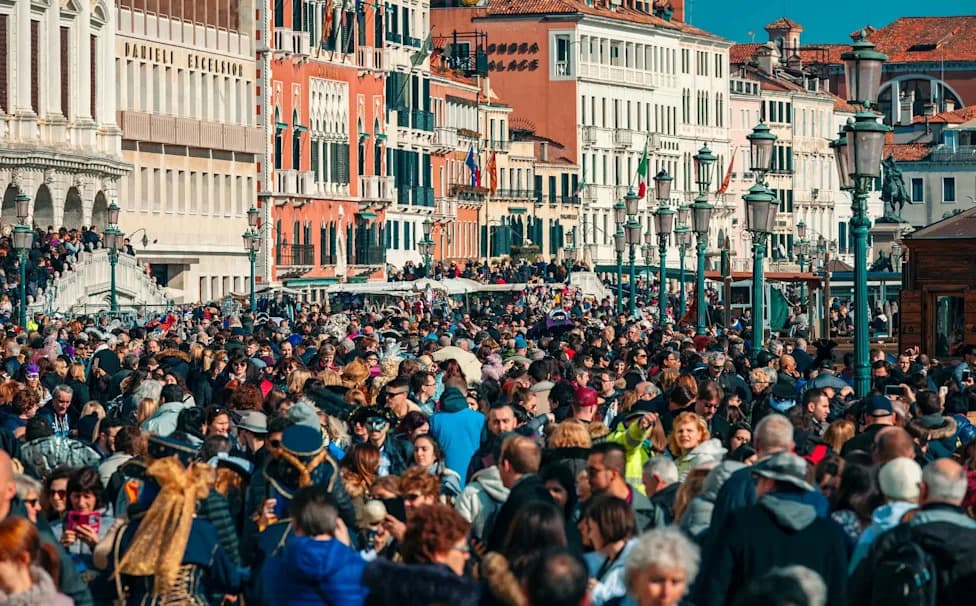
Photo Credit: iStock
Venice officials are considering a substantial increase to the city's day‑visitor entry charge after concluding the current €5–€10 fee no longer discourages large crowds.
Why The Change Is Being Considered
Michele Zuin, the municipal councillor responsible for budget and taxation, told Il Gazzettino that the present €5–€10 band (roughly $5.70–$11.40) has lost much of its deterrent effect. One option being discussed would set a new cap at €30 (about $34.10) per day, with some proposals going as high as €50 (about $56.90). Any increase would require approval from Italy’s national government and likely could not take effect before 2027.
How The Scheme Works
The charge was introduced in 2024 as a world first for day‑trip visitors and does not apply to overnight guests. The system offers lower rates to travellers who book in advance and exempts children under 14. In 2026 the fee was applied on selected days from 3 April to 26 July, between 8:30 a.m. and 4 p.m.; authorities collected more than €5.2 million from the sale of just under 680,000 day‑entry tickets during that period.
Goals And Criticisms
City leaders say the charge is intended to shift visitation away from peak dates and times rather than halt tourism altogether. The policy mixes variable pricing and targeted exemptions in the hope that some visitors will reschedule same‑day trips or choose less congested times.
Critics warn that significantly higher fees risk excluding lower‑income travellers rather than reducing aggregate visitor numbers. There is also concern that a steeper fee could change the character of tourism and disproportionately affect spontaneous day visitors.
Wider Context: Overcrowding And Climate Risk
Tourism remains central to Venice’s economy, but the city continues to grapple with overcrowding and long‑term depopulation. Local campaigns such as the grassroots initiative "Venice Tap Water" encourage tourists to avoid single‑use plastic by drinking tap water.
Compounding the challenge are climate threats: rising sea levels and repeated flooding put pressure on infrastructure and residents' quality of life. Officials point to the MOSE flood‑barrier system as one example of how authorities are attempting to manage rising water, but scientists warn that without major investment parts of the city could become increasingly difficult to protect or, in extreme scenarios, require relocation.
What Comes Next
Officials must secure national approval before any adjustment can be implemented. If approved, a higher cap would be likely to make last‑minute day visits considerably more expensive while rewarding early bookings—one of the mechanisms intended to smooth demand. Observers say Venice’s experiment will be watched closely as a potential model for other destinations struggling with overtourism and fragile environments.
Help us improve.