A University of Cincinnati analysis of 2,076 first-time strokes in people aged 20–54 found the annual incidence rose from about 34 to 62 strokes per 100,000 between 1993–1994 and 2020, driven mainly by ischemic stroke. Younger stroke patients showed higher rates of hypertension, diabetes and atrial fibrillation, and recorded substance use rose markedly (from 4.6% to 40.2%, largely marijuana). Short-term survival improved with 30-day mortality decreasing from 11.7% to 9.4%. Authors call for better prevention, screening and research to determine causes.
Study: First-Time Stroke Rates Nearly Double Among 20–54-Year-Olds Over Three Decades

Stroke incidence more than doubled among young adults in a recent study.
A new community-based analysis finds a worrying rise in first-time strokes among younger adults. Researchers at the University of Cincinnati reviewed 2,076 first-ever strokes in people aged 20–54 across the Greater Cincinnati/Northern Kentucky region from 1993–1994 through 2020.
Key Findings
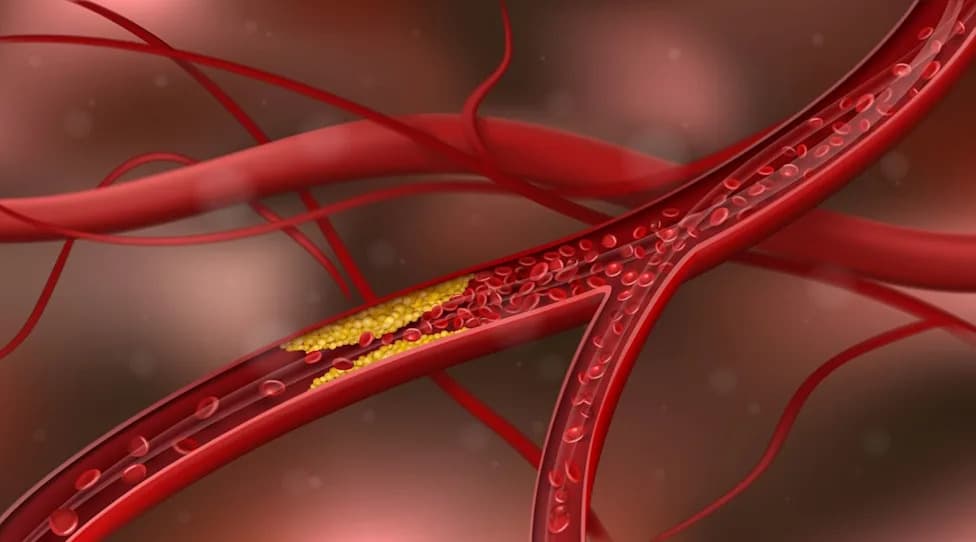
Across the study period the annual incidence of first-time stroke in this age group increased from about 34 to 62 strokes per 100,000 people. The rise was driven mainly by ischemic strokes, which occur when a vessel supplying the brain becomes blocked.

The increase was primarily driven by ischemic stroke, which occurs when a blood vessel supplying the brain becomes blocked.
Among younger stroke patients the researchers documented increasing prevalence of conventional vascular risk factors including hypertension, diabetes and atrial fibrillation. There was a marked rise in recorded substance use—from 4.6% early in the study to 40.2% by 2020—largely reflecting increased marijuana use.
Trends in Outcomes
Short-term survival improved: 30-day mortality among younger adults fell from 11.7% to 9.4%, an improvement mainly seen for bleeding-related strokes (intracerebral and subarachnoid hemorrhages). In contrast, stroke incidence among older adults declined from about 619 to 453 strokes per 100,000 over the same period.
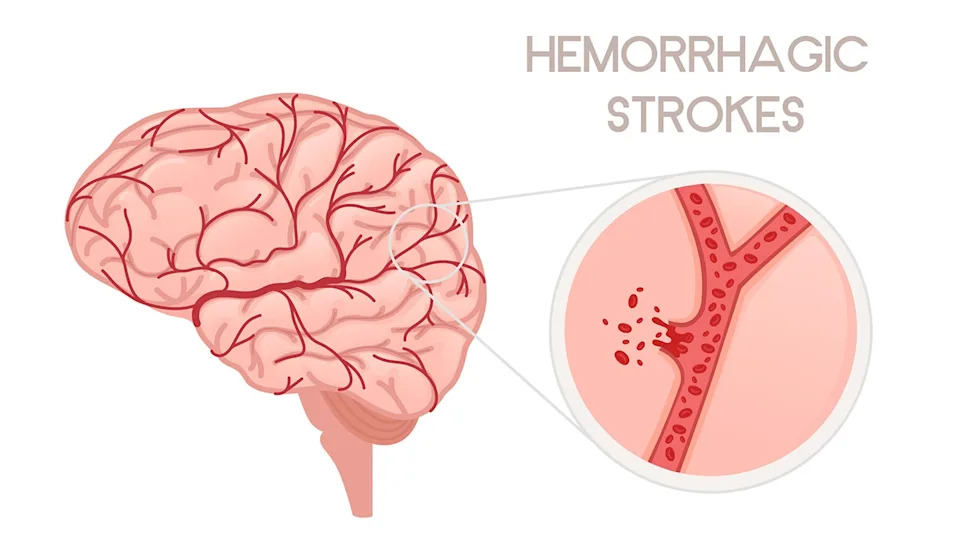
The share of younger adults who died within 30 days of a stroke declined from 11.7% to 9.4% – primarily for bleeding-related strokes, including intracerebral and subarachnoid hemorrhages.
What Experts Say
Dr. David J. Robinson, co-author and assistant professor of clinical neurology and rehabilitation medicine at the University of Cincinnati College of Medicine, warned that strokes in younger people can cause disabling loss of work and income and called for further research to identify causes and reverse the trend.
Dr. Jason A. Gluck, a cardiologist not involved in the study, highlighted that stroke remains uncommon in younger adults but that the upward trend is concerning. He emphasized that many risk factors are identifiable and treatable if detected early.

"Vascular disease doesn't suddenly begin when you're 65; it develops over time," one expert said.
Limitations
The authors note several limitations: the study lacked comparable risk-factor data for people without stroke, diagnostic practices (for example, increased MRI use) and documentation of substance use changed over time, and the analysis covered only five counties, which may limit generalizability.
Prevention And Recognition
Researchers emphasize prevention—particularly blood pressure control—as the most important strategy. They recommend the American Heart Association's Life's Essential 8 to optimize cardiovascular health: blood pressure control, healthy eating, physical activity, tobacco avoidance, good sleep, weight management, cholesterol control and blood sugar management.
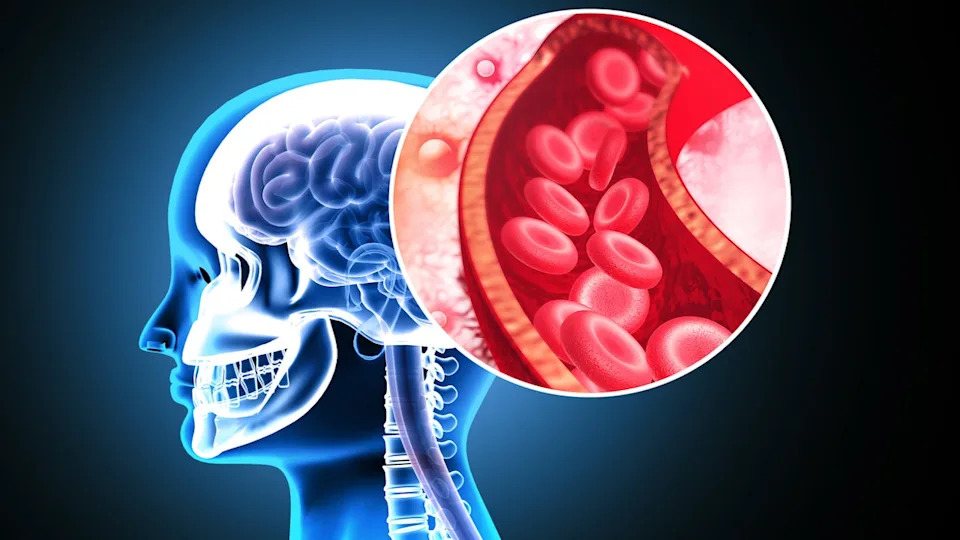
The increase was primarily driven by ischemic stroke, which occurs when a blood vessel supplying the brain becomes blocked.
To recognize stroke symptoms quickly, use the BE FAST mnemonic:
- Balance suddenly off
- Eyes or sudden vision changes
- Facial drooping
- Arm weakness
- Speech difficulty
- Time to call 911
If someone has these signs, call 911—do not drive them to the hospital.
The study was published in the journal Neurology on Sept. 23. While survival after some stroke types has improved, the authors stress that prevention, early detection and further research are urgently needed to understand and reverse the rise in strokes among younger adults.
Help us improve.